
Water pressure is a fundamental yet often overlooked aspect of homeownership in San Antonio, Texas. Across the vibrant neighborhoods stretching from Alamo Heights to Stone Oak and Helotes, municipal water distribution networks deliver pressurized water to residential service lines, frequently fluctuating between 35 and 175 pounds per square inch (PSI) [1]. When water enters a residential property equipped with a backflow preventer, pressure reducing valve (PRV), or check valve, the plumbing system becomes a “closed system.” As domestic water heaters cycle on and heat incoming cold water, thermal expansion occurs, increasing liquid volume without anywhere to escape. Without proper mitigation, these trapped pressure spikes can severely damage piping, appliances, and water heater tanks [2]. Installing professional thermal expansion tanks san antonio residents rely on is essential for safeguarding modern plumbing infrastructure.
Understanding how thermal expansion affects closed plumbing systems requires looking closely at fluid dynamics and thermal physics. Water expands by approximately 2.7 percent when heated from cold supply temperatures (around 40°F) to typical domestic storage temperatures (120°F to 140°F). In an open system, this excess volume pushes backward into the municipal water main. However, modern San Antonio plumbing codes, cross-connection control regulations, and pressure regulators create absolute barriers that trap water within the home [3]. Consequently, pressures can skyrocket well past 150 PSI during heating cycles, far exceeding the design limits of standard residential piping, fixture cartridges, and water heater tanks.
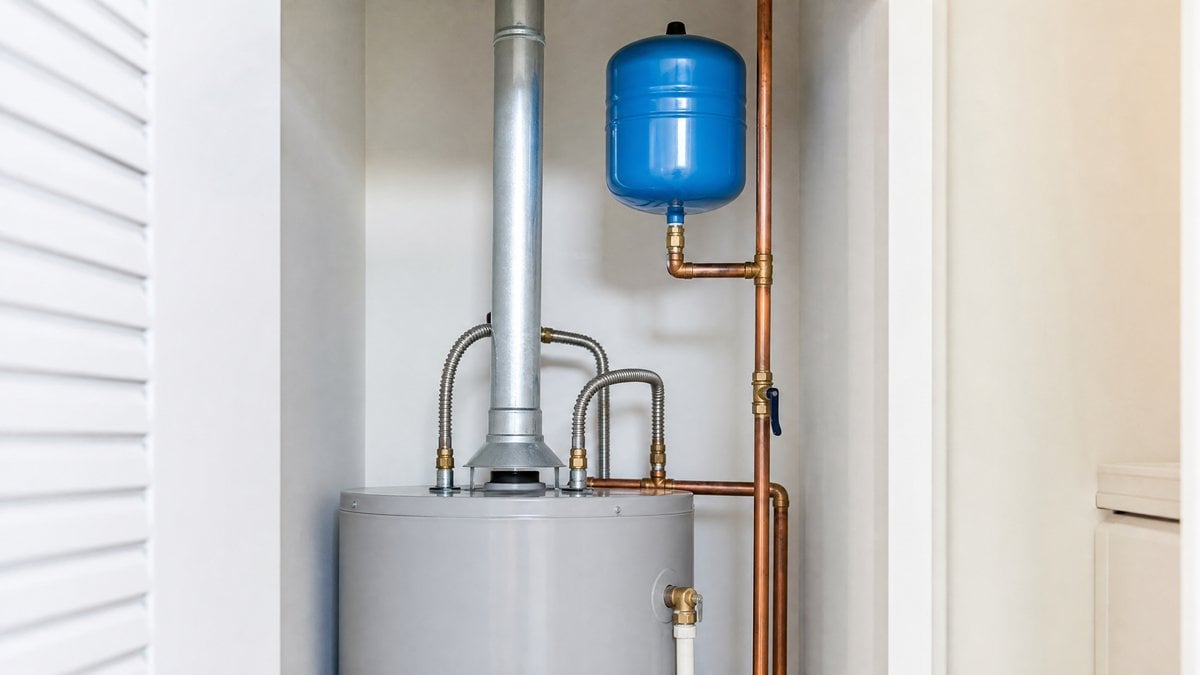
The Mechanics of Closed Plumbing Systems and Pressure Spikes
To fully grasp why thermal expansion tanks are critical, homeowners must understand what constitutes a closed plumbing network. A closed system occurs when any device prevents water from flowing back out of the house toward the municipal utility supply. In San Antonio, backflow prevention assemblies required for lawn irrigation systems, dual check valves installed at water meters, and pressure-reducing valves (PRVs) acting as check valves all create closed-loop environments [4].
When a water heater fires up—whether it is a traditional tank storage unit or a hybrid system—the water inside expands. Because water is incompressible, this volumetric expansion instantly translates into an extreme pressure surge throughout the entire household plumbing network. Over time, these daily pressure spikes fatigue copper and PEX piping joints, ruin appliance solenoid valves in dishwashers and washing machines, cause toilet fill valves to fail prematurely, and compromise the integrity of the water heater’s glass-lined steel tank [5]. To learn more about how preventive maintenance impacts your water heating equipment, read our guide on water heater flush maintenance in San Antonio.
Plumbing Code Compliance and Regulatory Requirements
Building safety codes mandate rigorous pressure control measures to protect residential properties from catastrophic over-pressurization. The International Plumbing Code (IPC Section 607.3) and the Uniform Plumbing Code (UPC) explicitly state that where a thermal expansion condition exists due to a closed plumbing system, an effective thermal expansion control device must be installed on the cold water supply line to the water heater [3] [6].
Furthermore, plumbing standards require that expansion tanks must never be supported solely by the flexible or rigid copper piping connecting to them (IPC Section 308.10), as the weight of water-filled bladders can cause pipe shearing or joint fracture [7]. Professional sizing and secure mounting are paramount. A properly engineered thermal expansion tank features an internal butyl rubber bladder separating an air charge from the potable water chamber, absorbing excess volume and keeping system pressure safely within code-compliant operating limits.
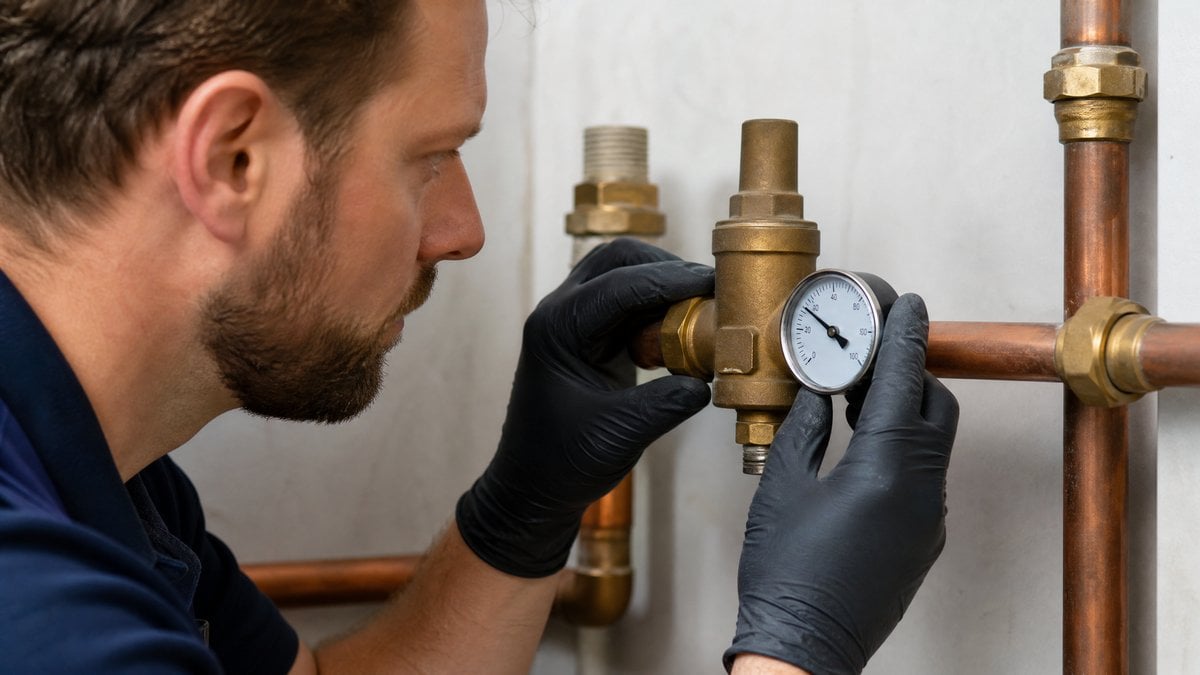
The Interplay Between Pressure Reducing Valves (PRVs) and Expansion Tanks
Water pressure management in Bexar County often involves a two-pronged defense: a pressure reducing valve at the main service entry and a thermal expansion tank at the water heater. Many San Antonio neighborhoods experience elevated municipal water supply pressures that exceed the maximum recommended residential threshold of 80 PSI [8]. When a PRV is installed to drop incoming municipal pressure down to a safe 50 to 60 PSI, it inherently creates a closed system by blocking backward flow.
Without an expansion tank downstream of the PRV, the closed loop has zero pressure relief capacity aside from the Temperature and Pressure (T&P) relief valve. Relying on the T&P valve as a daily thermal expansion pressure release mechanism is dangerous and violates plumbing best practices, as frequent discharge mineralizes the valve seat, leading to sticking, leaking, or total mechanical failure. For homeowners evaluating system upgrades, comparing equipment specifications is crucial; read our insights on tankless vs. traditional water heaters to understand how different units handle pressure dynamics.
If you have noticed sudden pressure fluctuations, water hammer noises, or unexplained trickles from your plumbing fixtures, your system may be suffering from unmitigated thermal expansion or fluctuating static pressure. For expert assistance with low or high pressure issues, review our detailed guide on diagnosing low water pressure in San Antonio.
Protect Your San Antonio Home Today
Unchecked water pressure and thermal expansion can lead to costly pipe leaks and catastrophic water heater failures. Let Bluebonnet Plumbing’s licensed professionals inspect, test, and service your pressure regulation and expansion systems during normal business hours.
Call us today at (210) 934-5468 or reach out online to schedule professional service.
Signs Your San Antonio Home Needs an Expansion Tank Upgrade
Identifying failing or missing thermal expansion protection requires vigilance. Homeowners should inspect their water heater setups for specific warning indicators:
- Frequent T&P Valve Weeping: If water continuously drips from the discharge pipe connected to the water heater’s safety relief valve, thermal expansion pressure is regularly exceeding 150 PSI.
- Pounding or Banging Pipes (Water Hammer): Sharp clanks when turning off faucets or when appliances finish cycles often point toward unmanaged pressure spikes within a closed loop.
- Leaking Appliance Hoses: Premature ruptures in washing machine supply lines, refrigerator ice maker lines, or flexible toilet connectors suggest recurring high-pressure stress.
- Visible Tank Corrosion: Premature rusting around tank seams and fittings indicates ongoing metal fatigue caused by cyclical expansion stress.
Because working with pressurized water lines, gas connections, and heavy storage tanks carries inherent mechanical and safety risks, homeowners should never attempt DIY expansion tank installation or PRV adjustments. Improper air charge calibration or incorrect mounting can rupture tanks or flood living spaces. Always rely on licensed plumbing professionals for safe, code-compliant service.
Expert Plumbing & Pressure Protection Services
Bluebonnet Plumbing provides comprehensive residential plumbing services across San Antonio during regular business hours. Ensure your water heater and pressure systems meet all municipal codes.
Call (210) 934-5468 to speak with our team.
Frequently Asked Questions
What is a thermal expansion tank, and how does it work?
A thermal expansion tank is a small auxiliary tank installed on the cold water supply line of a water heater. Inside, a flexible rubber bladder separates an air-pressurized chamber from the potable water system. As water heats and expands, excess volume pushes into the tank, compressing the air cushion and stabilizing system pressure.
Are thermal expansion tanks required by plumbing code in San Antonio?
Yes. Under the International Plumbing Code (IPC Section 607.3) and Uniform Plumbing Code adopted locally, any closed plumbing system equipped with a backflow preventer, check valve, or pressure reducing valve must feature thermal expansion control to prevent dangerous pressure spikes.
Can I install a thermal expansion tank myself as a DIY project?
No. Installing an expansion tank requires cutting into pressurized copper or PEX water lines, properly supporting the tank weight per plumbing code, and accurately pre-charging the air bladder to match household static water pressure. Errors can cause severe water damage or personal injury. Professional installation is strongly recommended.
How long do thermal expansion tanks typically last?
A residential thermal expansion tank typically lasts between 5 and 10 years. Over time, the internal rubber bladder can degrade or lose its air charge, rendering it waterlogged. Regular annual plumbing inspections help catch failing tanks before pressure damage occurs.
References
- San Antonio Water System (SAWS), “Water Pressure Problems and Guidelines,” SAWS Technical Services. Available online: https://www.saws.org/service/do-it-yourself-repairs/water-pressure-problems/
- International Code Council, “2018/2024 International Plumbing Code (IPC) – Section 607.3 Thermal Expansion Control,” ICC Safety Codes. Available online: https://codes.iccsafe.org/s/IPC2018P5/chapter-6-water-supply-and-distribution/IPC2018P5-Ch06-Sec607.3
- U.S. Department of Energy (DOE), “Water Heater Installation and Expansion Tank Guidelines,” Building America Program. Available online: https://www.energy.gov/sites/default/files/2024-10/island-grantee-job-aid-install-solar-water-heater.pdf
- International Code Council, “2018 International Plumbing Code (IPC) – Section 308.10 Piping Support,” ICC Safety Standards. Available online: https://codes.iccsafe.org/