
Every morning across San Antonio, thousands of homeowners turn on their shower or kitchen faucet and stand waiting. Minutes pass as millions of gallons of chilled water run down the drain before the hot water finally arrives from the water heater in the garage or utility closet. In a region where water stewardship is paramount and municipal conservation rules are strictly enforced by the San Antonio Water System (SAWS), letting precious drinking water go down the drain is an ongoing challenge for residential efficiency [1]. Fortunately, installing a hot water recirculation pump san antonio homeowners trust offers an elegant engineering solution to eliminate wait times at the tap while conserving thousands of gallons of water every year [2].
Whether you reside in a historic Craftsman home in Monte Vista or a sprawling modern build in Stone Oak, plumbing layout lengths significantly impact hot water delivery times. This comprehensive guide explores how domestic hot water recirculation systems operate, the differences between continuous and demand-controlled setups, and how professional plumbing upgrades enhance daily comfort and property value in South Texas.
The Hidden Cost of Waiting for Hot Water in San Antonio Homes
In standard residential plumbing design, water sits stagnant in supply pipes between the water heater and distant plumbing fixtures, such as upstairs master bathrooms or outdoor kitchen sinks. When a tap is opened, this trapped water must be completely flushed out before heated water reaches the user. According to estimates by the U.S. Department of Energy and water efficiency researchers, American households waste thousands of gallons of potable water annually simply waiting for tap temperatures to rise [3] [4].
For San Antonio residents, water waste is not only a financial burden on monthly utility bills but also an environmental concern. SAWS emphasizes comprehensive conservation targets to protect the Edwards Aquifer and local water supplies during recurring drought cycles [1]. When multiple family members run showers, faucets, and appliances throughout the day, cumulative wait times translate into significant waste. Furthermore, hard water mineral deposits common throughout Bexar County can exacerbate plumbing inefficiencies over time, making proactive maintenance essential. For detailed guidance on preserving your water heating equipment against mineral scaling, review our resource on why you need to flush your San Antonio water heater.
What Is a Hot Water Recirculation Pump and How Does It Operate?
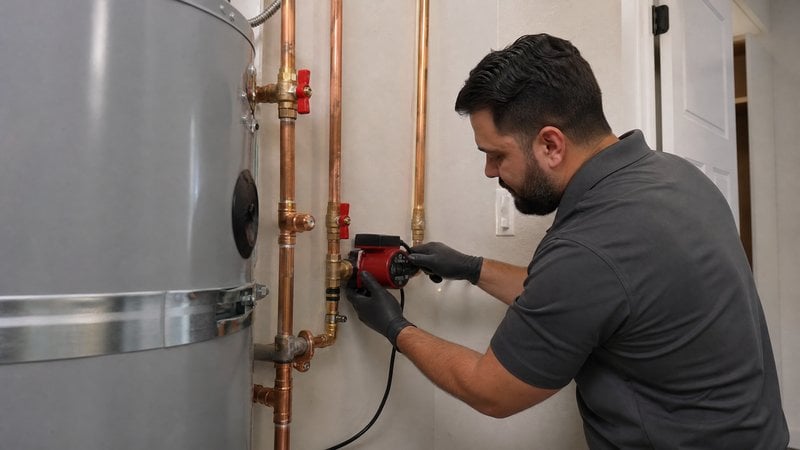
A hot water recirculation system is an auxiliary plumbing upgrade designed to maintain heated water near every fixture in your home. Instead of allowing water in the pipes to cool down between uses, a compact circulator pump keeps water moving through a continuous loop or dedicated return line.
Traditional Dedicated Return Line Systems
In homes constructed with a dedicated return pipe running from the furthest fixture back to the water heater tank, a circulator pump continuously or intermittently pushes cooled water back into the water heater. This guarantees that hot water is instantly available the moment any valve is opened.
Retrofit Systems Without Dedicated Return Lines
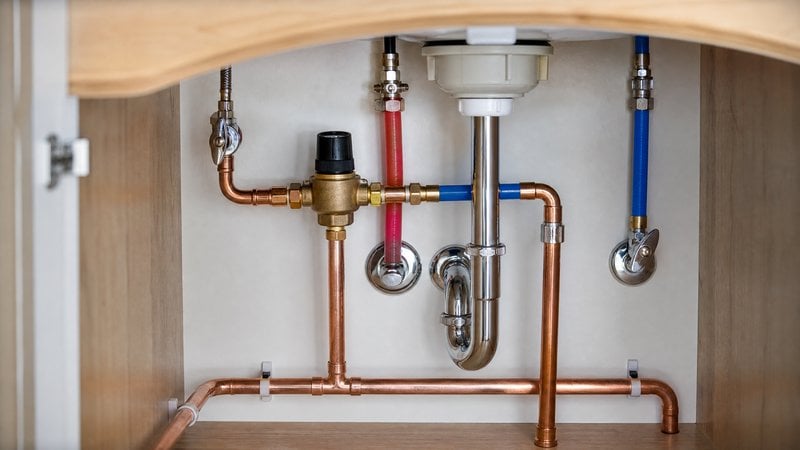
For existing residential properties where tearing open drywall to install a return line is impractical, modern plumbing technology offers retrofit kits. These systems utilize the existing cold water supply line as a return path. A thermal bypass valve installed beneath the furthest sink allows cooled water in the hot water line to bleed into the cold water line when the pump activates, pushing that cool water back toward the water heater without mixing unwanted temperatures during normal usage.
Comparing Continuous vs. Demand-Controlled Recirculation Systems
Selecting the right recirculation configuration depends on your household schedule, energy usage goals, and plumbing architecture. Understanding the operational differences helps homeowners make informed decisions.
| System Type | Operation Mechanism | Water Savings | Energy Efficiency | Best Suited For |
|---|---|---|---|---|
| Continuous Recirculation | Runs 24/7 or on an aquastat/timer schedule to maintain constant loop temperature. | Maximum water savings (instant hot water at all times). | Lower thermal efficiency if uninsulated pipes lose heat continuously. | Large households with high, unpredictable hot water demand throughout the day. |
| Demand (On-Demand) Recirculation | Activated via motion sensors, smart home switches, or push buttons only when hot water is needed. | High water savings while eliminating standby energy losses. | High energy efficiency; pump only runs for 60 to 90 seconds per cycle. | Standard residential homes seeking optimal balance of water and energy savings. |
Energy conservation is a critical factor when evaluating recirculation pumps. Because maintaining hot water in pipes 24/7 requires the water heater to expend standby energy, demand-controlled systems paired with pipe insulation offer superior efficiency [3]. Whether you are currently evaluating a traditional storage tank or considering an upgrade to a modern tankless unit, choosing the appropriate heater setup is vital. Learn more about system comparisons in our guide on choosing the best water heater for your San Antonio home.
Key Benefits of Installing a Recirculation Pump in San Antonio
Integrating a domestic hot water recirculation pump into your plumbing system delivers immediate, tangible advantages for homeowners:
- Substantial Water Conservation: By eliminating wait times at distant taps, households save thousands of gallons of water annually, directly aligning with SAWS conservation initiatives [1] [2].
- Unmatched Daily Comfort: No more shivering in the shower while waiting for hot water to travel across the house. Hot water arrives within seconds.
- Reduced Wastewater Load: Less graywater running down drain lines reduces overall strain on your home’s sewer and septic systems.
- Increased Home Value: Modern, energy-efficient plumbing upgrades enhance overall property appeal and utility performance.
Ready to Eliminate Long Wait Times at Your Taps?
Our licensed plumbing professionals at Bluebonnet Plumbing provide expert installation, repair, and maintenance for residential water heating and recirculation systems across San Antonio during regular business hours. Contact us today to upgrade your home comfort.
Professional Installation and Plumbing Safety Considerations
While DIY recirculation kits are marketed online, professional installation by a licensed San Antonio plumber ensures compliance with local plumbing codes and manufacturer specifications. Proper installation involves electrical connections near water heaters, correct integration with backflow prevention and pressure-relief devices, and secure pipe sealing. Improperly configured pumps can cross-connect hot and cold lines or strain older piping materials, leading to unintended pressure fluctuations or premature wear.
Furthermore, because electrical components interact directly with water heaters, safety is paramount. Relying on licensed professionals guarantees that wiring, thermal expansion tanks, and check valves are correctly sized and installed to protect your household.
Frequently Asked Questions
How much water does a hot water recirculation pump actually save?
A typical four-person household can save between 10,000 and 16,000 gallons of water annually by eliminating the runoff that occurs while waiting for hot water to reach distant fixtures [2] [4].
Will a recirculation pump increase my electricity or gas bill?
Continuous pumps consume a small amount of electrical power and increase standby thermal losses because pipes remain warm. However, demand-controlled pumps only operate for a minute or two when triggered, keeping energy consumption minimal while preserving heat [3].
Can a recirculation pump be installed on an existing water heater?
Yes. Retrofit recirculation pumps can be installed on existing traditional tank water heaters as well as many tankless units using under-sink thermal bypass valves without requiring new dedicated return plumbing [2].
Does Bluebonnet Plumbing offer emergency repair services?
Bluebonnet Plumbing operates during standard business hours to provide thorough, expert plumbing repairs and installations. We do not offer 24/7 or after-hours emergency services.
References
- San Antonio Water System (SAWS). Water Conservation Programs and Edwards Aquifer Protection.
- U.S. Department of Energy (Energy Star). Demand Hot Water Recirculating Systems Guide.
- Natural Resources Defense Council (NRDC). The Little-Known Power of Circulator Pumps in Residential Conservation.
- University of Illinois Extension (EnergySense). Domestic Hot Water Recirculation Energy and Water Savings Analysis.
Upgrade Your San Antonio Plumbing System Today
Experience instant hot water and superior water conservation with a professionally installed recirculation pump. Contact Bluebonnet Plumbing during business hours to consult with our expert technicians.