
If you live in the greater San Antonio area, you are likely familiar with the effects of hard water on your dishes and showerheads. However, the most significant damage is often hidden inside your water heater. The San Antonio Water System (SAWS) reports that local water hardness ranges from 15 to 20 grains per gallon (gpg), which is classified as "very hard" — among the highest levels found in any major U.S. city. [1] This high concentration of naturally occurring calcium and magnesium from the Edwards and Trinity Aquifers can wreak havoc on your plumbing system if left unchecked.
When this hard water is heated, the minerals separate and settle at the bottom of your water heater tank, forming a thick layer of sediment. Over time, this chalky, rust-colored buildup acts as an insulator between the heating element and the water. According to the Carbon Trust, just a 1-millimeter layer of limescale on a heating element can increase energy consumption by 7%, while a 6-millimeter layer can lead to a staggering 40% increase in energy bills. [2] Flushing your water heater is not just a recommendation — it is a critical maintenance task for San Antonio homeowners looking to protect their investment.
Not sure how much sediment has built up inside your water heater? Contact Bluebonnet Plumbing for a professional inspection and water heater flush before minor buildup turns into a costly repair.
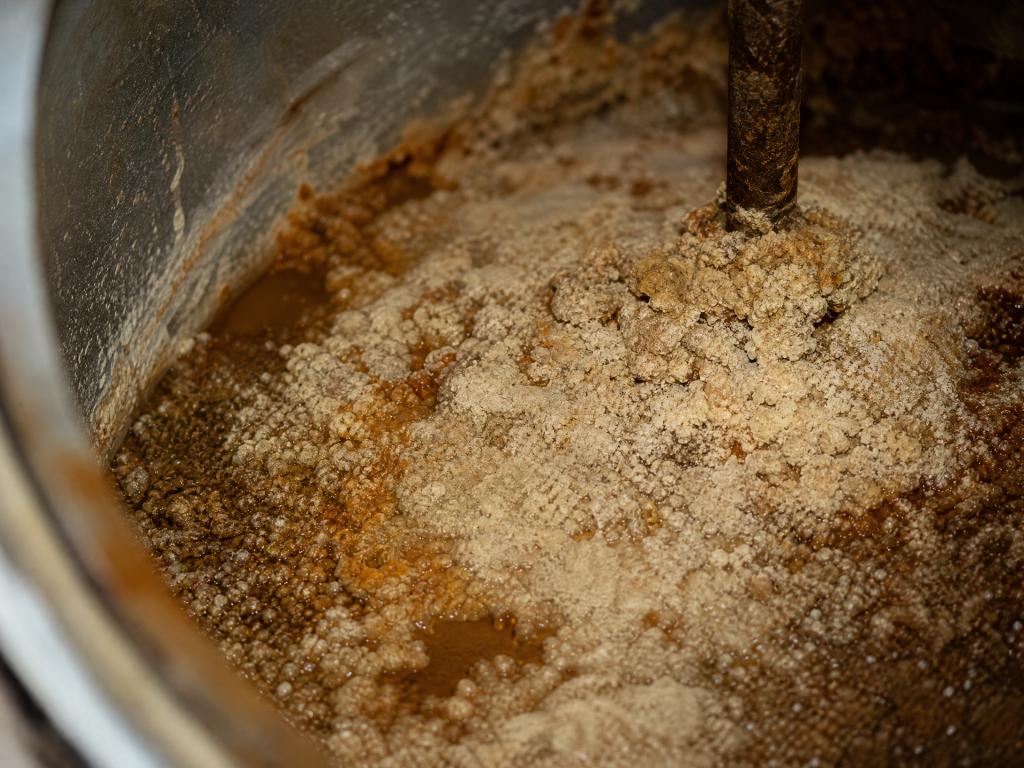
Signs Your Water Heater Needs Immediate Flushing
Many homeowners do not realize their water heater is suffering from sediment buildup until it is too late. Being proactive and recognizing the early warning signs can save you from an unexpected cold shower or a catastrophic tank failure.
The most common indicator of sediment buildup is a popping, rumbling, or banging noise coming from the tank. This sound occurs when water becomes trapped under the heavy layer of sediment, boils, and forces its way through the mineral crust. Additionally, if you notice a gradual reduction in your hot water supply or if it takes significantly longer for water to heat up, sediment is likely occupying valuable space inside the tank. Rusty or discolored water from your hot taps is another clear sign that minerals and rust are accumulating. If you have noticed a sudden spike in your utility bills, the reduced efficiency caused by this buildup could be the culprit.
If your water heater is struggling, it may also be time to check other fixtures in your home. Mineral buildup can affect your faucets and showerheads, leading to low water pressure issues across your San Antonio home.
If you've noticed rumbling noises, rusty water, or inconsistent hot water, don't wait for your water heater to fail. Schedule a professional water heater inspection with Bluebonnet Plumbing to catch problems early.
How Often Should You Flush Your Water Heater in San Antonio?
While most national manufacturers and home improvement experts recommend flushing a water heater once a year, San Antonio's unique water quality requires a more aggressive approach. Because the local water is exceptionally hard, plumbing professionals strongly advise flushing your water heater two to three times annually to prevent severe calcification.
Regular flushing removes these harmful deposits, allowing the burner or heating element to transfer heat efficiently. This simple maintenance task can significantly extend the lifespan of your unit. Traditional tank water heaters typically last 8 to 12 years, but neglecting maintenance in a hard water area can cut that lifespan in half. [3] Given that a nationwide water heater replacement averages $1,600 to $2,400, preventive maintenance is a highly cost-effective strategy. [4]
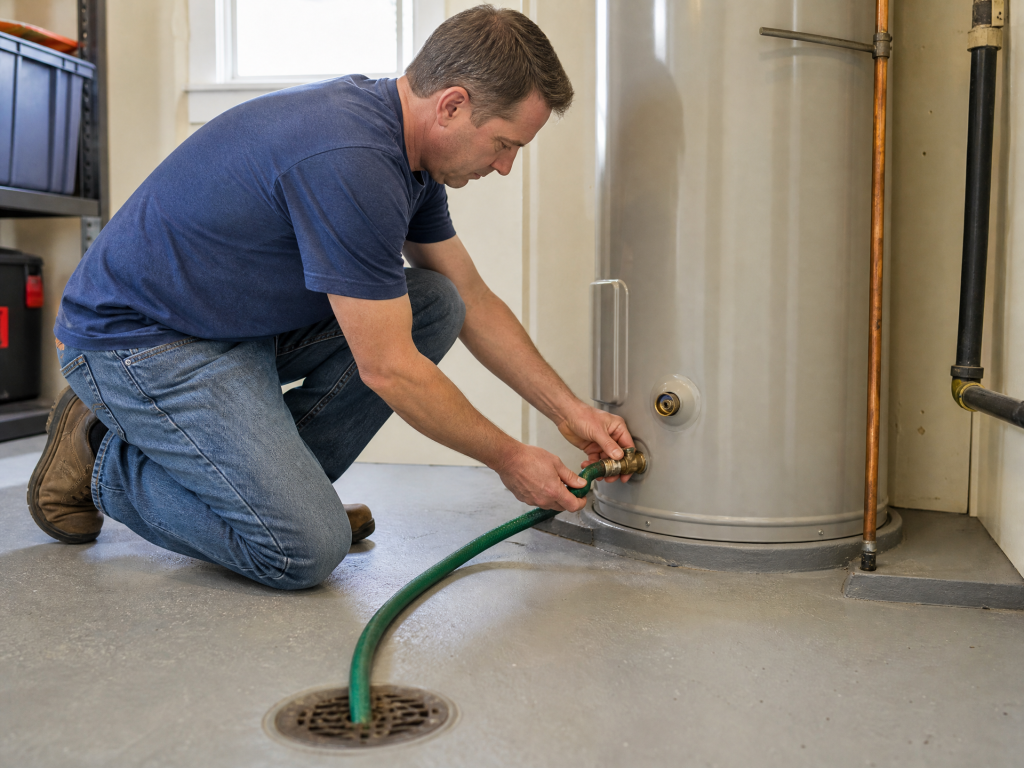
Step-by-Step Guide: How to Flush Your Water Heater
Flushing a water heater is a manageable DIY task for many homeowners. However, it involves working with extremely hot water and utility connections, so caution is essential. If you are uncomfortable with any of these steps, it is always best to contact a licensed professional.
Step 1: Turn off the power supply. For electric models, flip the appropriate switch in your circuit breaker panel. For gas models, turn the gas valve to the "pilot" or "vacation" setting to prevent the burner from igniting while the tank is empty.
Step 2: Shut off the cold water supply. Turn off the cold-water supply valve at the top of the heater. To help the tank drain smoothly, open a hot water faucet somewhere inside your home — this allows air into the system and prevents a vacuum from forming.
Step 3: Connect a garden hose to the drain valve. Attach a standard garden hose to the drain valve located near the bottom of the tank. Route the other end of the hose to a floor drain, a sump pit, or safely outdoors. Slowly open the drain valve — the water will be scalding hot, so exercise the same caution you would with any hot water source.
Step 4: Drain and flush the tank. Allow the tank to drain completely. Once empty, briefly turn the cold water supply back on to stir up and flush out any remaining sediment at the bottom. Repeat this process until the water runs clear from the hose. [5]
Step 5: Refill and restore power. Close the drain valve, disconnect the hose, and turn the cold water supply fully back on to refill the tank. Wait until a steady stream of water flows from the open indoor faucet before turning it off. Only then should you restore the electricity or gas supply to the unit.
Don't Forget the Anode Rod
While you are performing your annual maintenance, it is worth checking your water heater's anode rod — a sacrificial metal rod designed to attract corrosive elements and protect the tank lining from rusting. In San Antonio's very hard water, anode rods degrade significantly faster than in soft water areas. A.O. Smith, one of the leading water heater manufacturers, recommends inspecting the anode rod once a year and replacing it every three to five years depending on water quality. [6]
Replacing a depleted anode rod is one of the single most effective ways to extend the life of your water heater by several years. If the rod is completely corroded, the tank itself will begin to rust from the inside out, leading to leaks and premature failure. This is a task best handled by a licensed plumber during a routine maintenance visit.
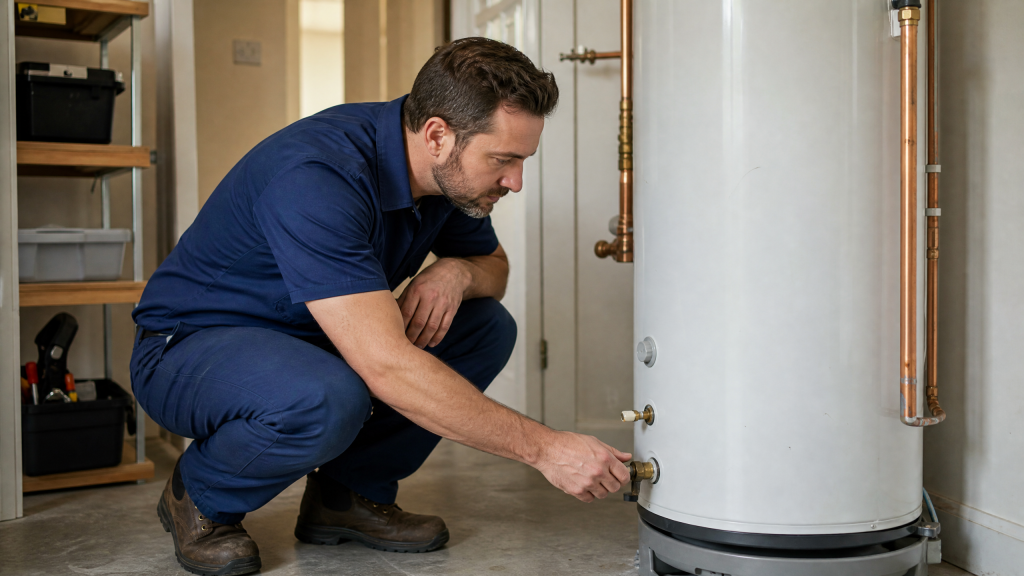
When to Call a Professional Plumber
While DIY flushing is effective for routine maintenance, there are times when professional intervention is necessary. If you open the drain valve and no water comes out, the valve is likely completely clogged with hardened sediment. Attempting to force it open can break the valve and cause a severe leak.
Additionally, annual professional maintenance goes beyond a simple flush. A licensed plumber will inspect the anode rod, test the pressure relief valve, and check for subtle signs of wear that a homeowner might miss. If your water heater is older than eight years or if you are experiencing multiple plumbing issues — such as a running toilet wasting water or a malfunctioning garbage disposal — scheduling a comprehensive plumbing inspection is the smartest choice for your home.
Protect Your Home with Bluebonnet Plumbing
Don't let San Antonio's hard water destroy your water heater and drive up your energy bills. Regular flushing is the key to a long-lasting, efficient plumbing system. If your water heater is making strange noises, failing to produce enough hot water, or if the drain valve is clogged with sediment, the experts at Bluebonnet Plumbing are here to help.
Our licensed professionals provide comprehensive water heater maintenance, repair, and replacement services during regular business hours. We can safely flush your system, inspect your anode rod, and ensure your home has a reliable supply of hot water. Call Bluebonnet Plumbing today at (210) 934-5468 or contact us online to schedule your water heater service and protect your home from hard water damage.
Frequently Asked Questions About Water Heater Flushing in San Antonio
How often should I flush my water heater in San Antonio?
Because San Antonio's water hardness ranges from 15 to 20 gpg — classified as "very hard" — plumbing professionals recommend flushing your water heater two to three times per year. This is more frequent than the national standard of once a year, but it is necessary to prevent rapid sediment accumulation caused by the city's high mineral content.
What happens if I never flush my water heater?
Failing to flush your water heater will lead to severe sediment buildup. This reduces the tank's water capacity, forces the heating element to work harder (increasing energy bills by up to 40%), and causes the tank to overheat. Ultimately, it will lead to premature tank failure, leaks, and a costly replacement that averages $1,600–$2,400.
Can I use vinegar to dissolve sediment in my water heater?
While some DIY methods suggest using vinegar to descale a tank, it is generally not recommended for standard maintenance. Introducing vinegar requires removing plumbing fittings and can be difficult to flush out completely. Regular water flushing is the safest and most effective method for routine sediment removal.
How long does it take to flush a water heater?
For a standard residential water heater, the entire flushing process usually takes between 30 minutes and an hour, depending on the size of the tank and the amount of sediment present. Heavily neglected tanks may take longer to fully clear.
Does Bluebonnet Plumbing offer water heater flushing services?
Yes! Bluebonnet Plumbing provides professional water heater maintenance, flushing, and repair services for San Antonio homeowners during regular business hours. Call us at (210) 934-5468 to schedule a service appointment.
References
- San Antonio Water System (SAWS). "Water Quality FAQs." saws.org.
- Sidon Water. "How Hard Water Increases Energy Consumption." sidonwater.com. Citing Carbon Trust and British Water data.
- Rheem Manufacturing. "Water Heater Lifespan: When to Repair vs. Replace." rheem.com.
- The Home Depot. "Cost to Replace a Water Heater." homedepot.com.
- The Home Depot. "How to Flush a Water Heater." homedepot.com.
- A.O. Smith. "Water Heater Maintenance Guide." hotwater.com.