
For San Antonio homeowners, dependable hot water is a daily necessity, whether you are rinsing dishes after a weekend barbecue or starting your morning with a refreshing shower. However, when your water heater begins producing water that is scalding hot or lukewarm, the root cause often traces back to the system’s thermostat or temperature settings. Understanding how to troubleshoot water heater thermostat San Antonio issues and correctly set your system temperature is essential for maximizing energy efficiency, protecting your plumbing infrastructure, and ensuring household safety.
San Antonio’s unique municipal water profile—characterized by high mineral content and hard water from the Edwards Aquifer—places severe stress on residential water heating appliances [1]. Mineral scaling coats heating elements, gas control valves, and thermostat probes, distorting temperature readings and causing premature wear. Whether you operate a traditional gas storage tank, an electric water heater, or a modern tankless system, mastering thermostat maintenance ensures reliable operation year-round.
Understanding San Antonio Water Heater Thermostat Systems
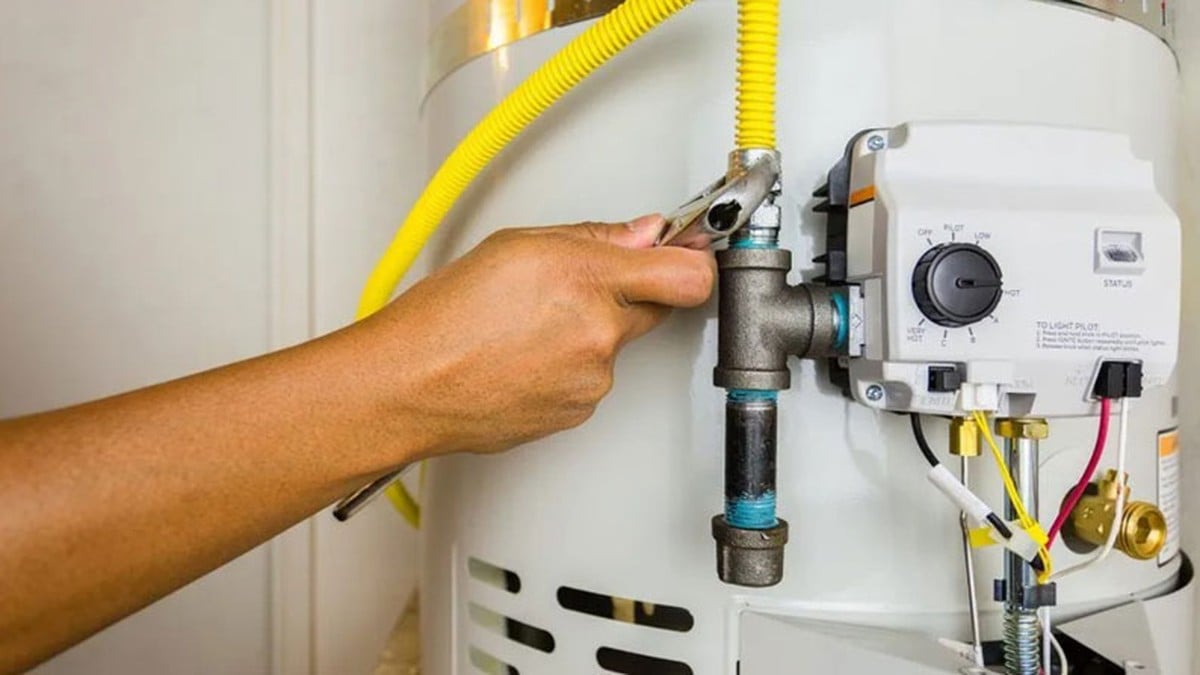
Water heaters regulate water temperature through dedicated thermostat controls, which vary significantly depending on whether your system runs on electricity or natural gas. In electric water heaters, dual thermostats (upper and lower) work in conjunction with immersion heating elements to monitor and maintain tank temperature. In gas water heaters, a mechanical gas control valve and thermostat assembly sit near the base of the unit, regulating gas flow to the burner based on water temperature feedback.
When these thermostats fail or drift out of calibration, homeowners experience erratic water temperatures. Common symptoms include water that never gets fully hot, water that boils over into scalding territory, or a complete loss of hot water recovery. According to the U.S. Department of Energy (DOE), setting your water heater thermostat correctly can save up to $400 annually in standby energy losses while preventing dangerous scalding incidents [2].
Electric vs. Gas Thermostat Mechanics
Electric water heater thermostats feature a snap-disc switch mechanism behind access panels. If a high-temperature reset button trips, power to the elements is cut off. Testing these requires multimeter diagnostics and electrical safety precautions. On the other hand, gas water heaters rely on a thermal probe immersed in the water tank attached to the gas control valve. Mineral scale buildup in South Texas homes frequently coats this probe, insulating it from the actual water temperature and causing the burner to cycle incorrectly.
To understand how your water heater’s overall health ties into energy consumption and performance, review our detailed guide on choosing the best water heater for your San Antonio home.
Step-by-Step Guide to Setting the Ideal Temperature
The U.S. Department of Energy and the Environmental Protection Agency (EPA) strongly recommend setting residential water heater thermostats to 120°F (49°C). Many manufacturers ship units preset to 140°F (60°C) to prevent bacterial growth in industrial settings, but for residential homes, 140°F is excessively hot and hazardous.
At 140°F, tap water can cause third-degree burns in less than five seconds. Lowering the temperature to 120°F provides adequate sanitization for dishwashers and laundry while dramatically reducing energy waste and the risk of accidental scalding. Furthermore, lower temperatures slow down the rate of internal tank corrosion and mineral scaling—a critical benefit given San Antonio’s hard water conditions [3].
- Safety First: Before inspecting or adjusting any water heater components, always turn off the circuit breaker for electric units or switch the gas valve to the “Pilot” or “Off” position for gas units. Never attempt live electrical or gas repairs.
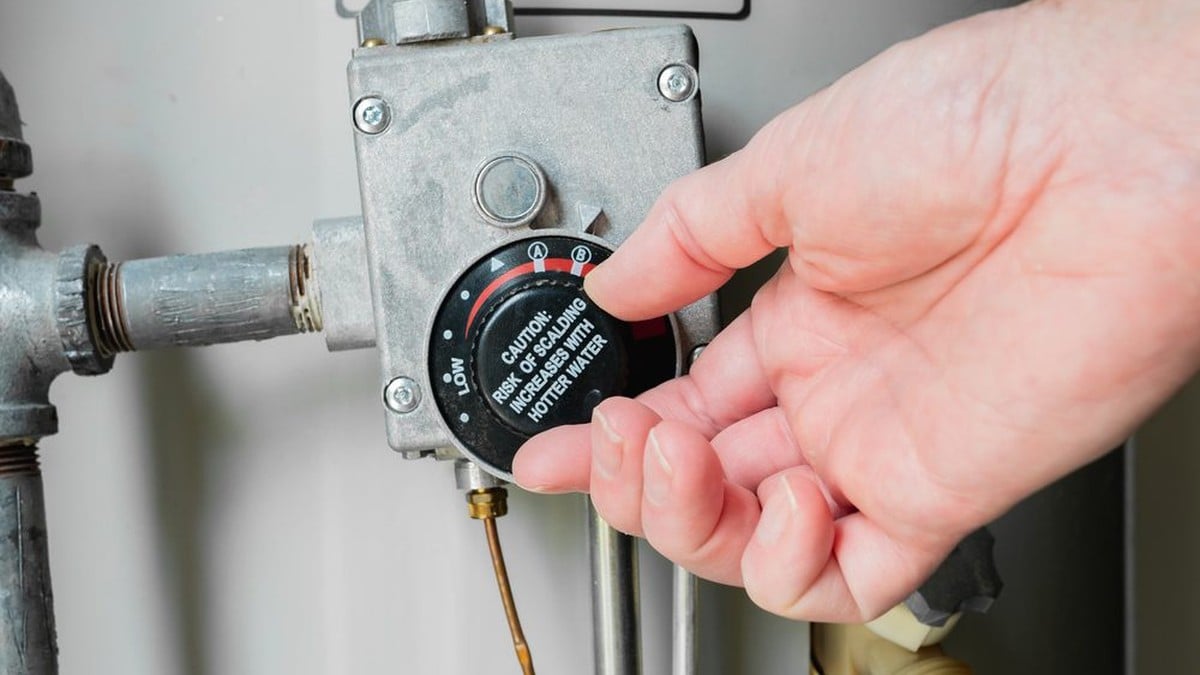
- Locate the Dial: On gas units, the temperature dial is clearly visible on the gas control valve. On electric units, remove the outer metal access panel and insulation blanket to reveal the thermostat dial.
- Adjust Gradually: Turn the dial to the 120°F marker (often labeled “Medium” or “Warm”). Allow the tank two to three hours to stabilize before testing the hot water at the nearest faucet.
Troubleshooting Common Water Heater Thermostat Issues
When your hot water temperature fluctuates wildly or disappears entirely, systematic troubleshooting can identify whether the thermostat, heating element, or gas valve is at fault. Because water heaters involve pressurized vessels, natural gas lines, and high-voltage electricity, homeowners should limit troubleshooting to visual inspections and basic setting adjustments, leaving mechanical repairs to licensed professionals.
1. Water is Too Hot or Boiling
If water emerging from your taps is steaming or excessively hot, the thermostat dial may be turned up too high, or the thermostat switch has fused in the closed position. In gas units, a malfunctioning gas control valve fails to shut off the burner when 120°F is reached. This creates extreme pressure inside the tank, relying heavily on your Temperature and Pressure (T&P) relief valve to prevent structural failure.
2. Water Remains Lukewarm or Cold
When water is lukewarm, an electric water heater may have a tripped high-limit thermal switch, a failed lower heating element, or a broken thermostat. For gas units, a weak thermocouple or sediment buildup insulating the control probe will prevent the burner from igniting properly. Regular maintenance, such as flushing mineral sediment, is vital. Learn more about preventative care in our guide on why you need to flush your San Antonio water heater.
3. Erratic Temperature Swings
If water temperatures swing unpredictably between cold and scalding hot during a single shower, the issue may stem from failing mixing valves or pressure imbalances rather than the water heater alone. To protect household members from sudden temperature shocks, many modern installations incorporate anti-scald technology. Read our expert insights on why your San Antonio home needs a scald protection valve.
The Impact of San Antonio Hard Water on Water Heaters
San Antonio’s water supply contains high levels of dissolved calcium and magnesium carbonates. As water is heated inside a storage tank, these minerals precipitate out of solution and settle at the bottom of the tank as hard scale. Over time, this sediment forms a thermal barrier between the burner or lower heating element and the water.
Because the thermostat probe sits within or near this sediment layer, it registers inaccurate temperature readings. The thermostat may sense that water is cooler than it actually is, causing the burner or elements to run continuously. This results in overheating, accelerated tank corrosion, popping noises, and skyrocketing utility bills. Regular annual flushing and professional thermostat calibration are necessary countermeasures in Bexar County.
Professional Plumbing Safety and Maintenance Standards
Attempting DIY repairs on water heater thermostats, electrical wiring, or gas control valves carries significant safety risks. Gas leaks, carbon monoxide release, electrical shocks, and steam explosions can result from improper handling. According to the City of San Antonio Development Services and local plumbing codes, water heater servicing and gas appliance adjustments must adhere to strict safety protocols [4].
Bluebonnet Plumbing provides expert, professional water heater diagnostic, thermostat replacement, and maintenance services during normal business hours. Our licensed plumbers ensure your system complies with all Texas plumbing codes and operates safely and efficiently.
Schedule Professional Water Heater Service in San Antonio Today
Experiencing water heater thermostat issues, inconsistent temperatures, or sediment buildup? Contact our licensed team for expert diagnosis and repair during regular business hours.
Frequently Asked Questions
What is the recommended water heater temperature setting for San Antonio homes?
The U.S. Department of Energy recommends setting your water heater thermostat to 120°F (49°C). This temperature provides comfortable hot water, prevents third-degree scalding burns, and reduces energy consumption without risking bacterial growth.
Why is my water heater making clicking sounds or failing to respond to thermostat adjustments?
Clicking sounds often indicate gas control valve activation issues or electronic ignition faults in gas water heaters, while unresponsiveness in electric units points to tripped high-limit switches, failed thermostats, or heavy mineral scale insulation.
How does San Antonio hard water affect water heater thermostats?
Hard water deposits calcium and magnesium scale around the water heater’s lower heating elements and thermostat sensing probes. This mineral buildup insulates the probe, causing inaccurate temperature readings, overheating, and premature component failure.
When should I call a professional plumber for water heater thermostat troubleshooting?
You should call a professional plumber whenever you notice persistent temperature fluctuations, gas pilot ignition failures, electrical burning odors, or error codes on tankless units. Never attempt DIY repairs on gas valves or 240V electrical wiring.
References
- San Antonio Water System (SAWS). Water Quality and Hardness Reports for Bexar County.
- U.S. Department of Energy (DOE). Estimating Costs and Setting Water Heater Thermostats for Energy Efficiency.
- Environmental Protection Agency (EPA). WaterSense Residential Water Heating and Conservation Guidelines.
- City of San Antonio Development Services. Municipal Plumbing and Gas Appliance Installation Codes.