
Your outdoor hose bibs — those simple spigots on the side of your house — are some of the most overlooked components of your home's plumbing system. They endure the full force of San Antonio's summer heat, hard water mineral buildup, and the occasional hard freeze that can strike without much warning. A leaking or damaged hose bib wastes thousands of gallons of water per year and, if left unprotected during a freeze, can burst and cause thousands of dollars in water damage. This guide covers everything San Antonio homeowners need to know about maintaining, repairing, and winterizing their outdoor faucets.
Understanding the Danger: Why San Antonio Winters Threaten Your Hose Bibs
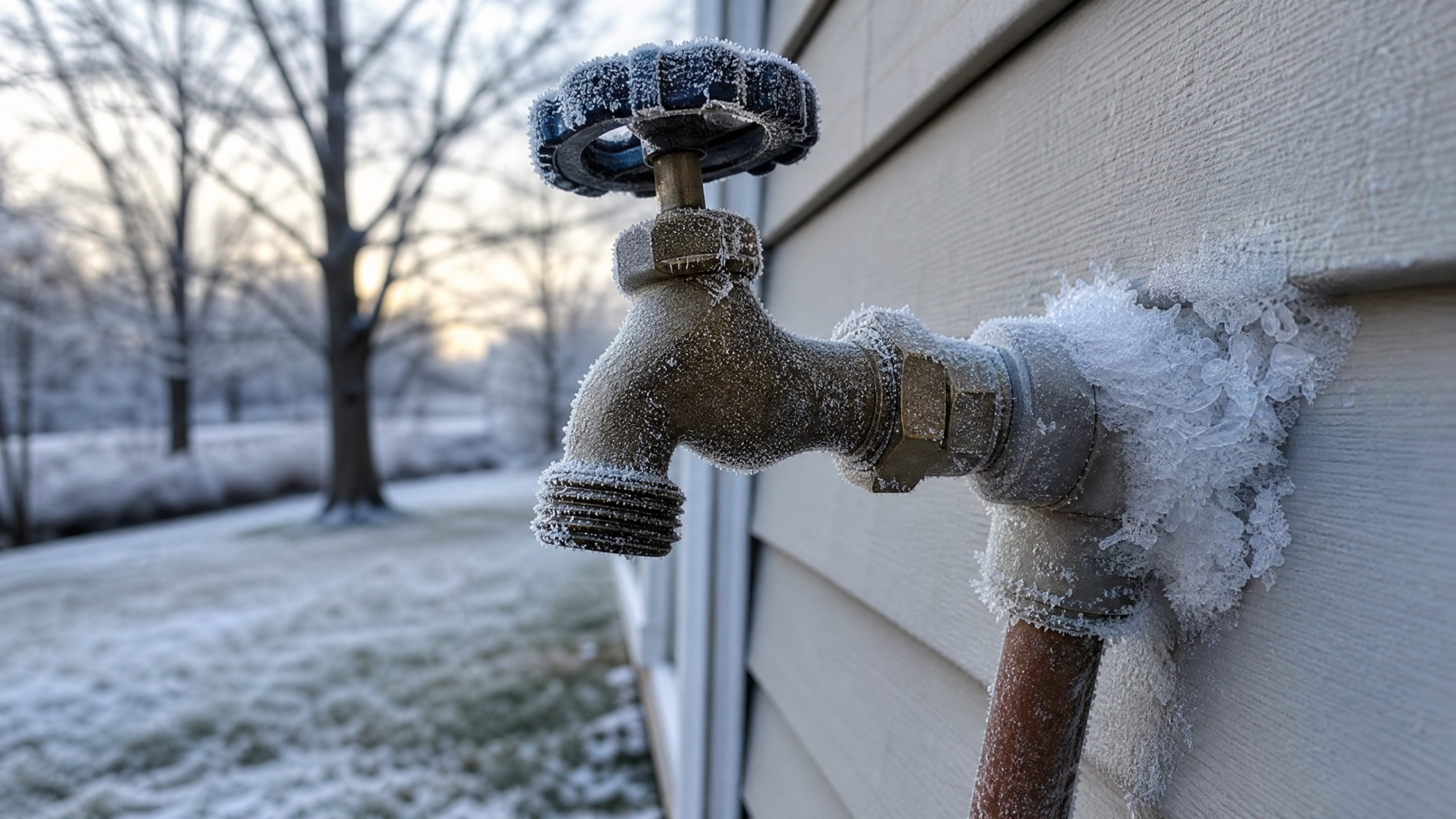
While San Antonio isn't known for blizzards, our sudden temperature drops can be devastating to outdoor plumbing. According to KSAT Weather, San Antonio averages approximately 12 freeze days per winter, with the last freeze typically occurring around February 23. During events like Winter Storm Uri in February 2021, the Texas Comptroller reported that nearly 49% of Texans experienced water service disruptions — many due to burst pipes. When water freezes inside a standard outdoor hose bib, it expands by approximately 9%, creating immense pressure that can rupture the pipe. The resulting water damage can be catastrophic; according to HomeAdvisor, burst pipe repairs range from $200 to $3,000 for the pipe alone, not including the extensive water damage restoration that often follows.
The Hidden Cost of a Leaky Spigot
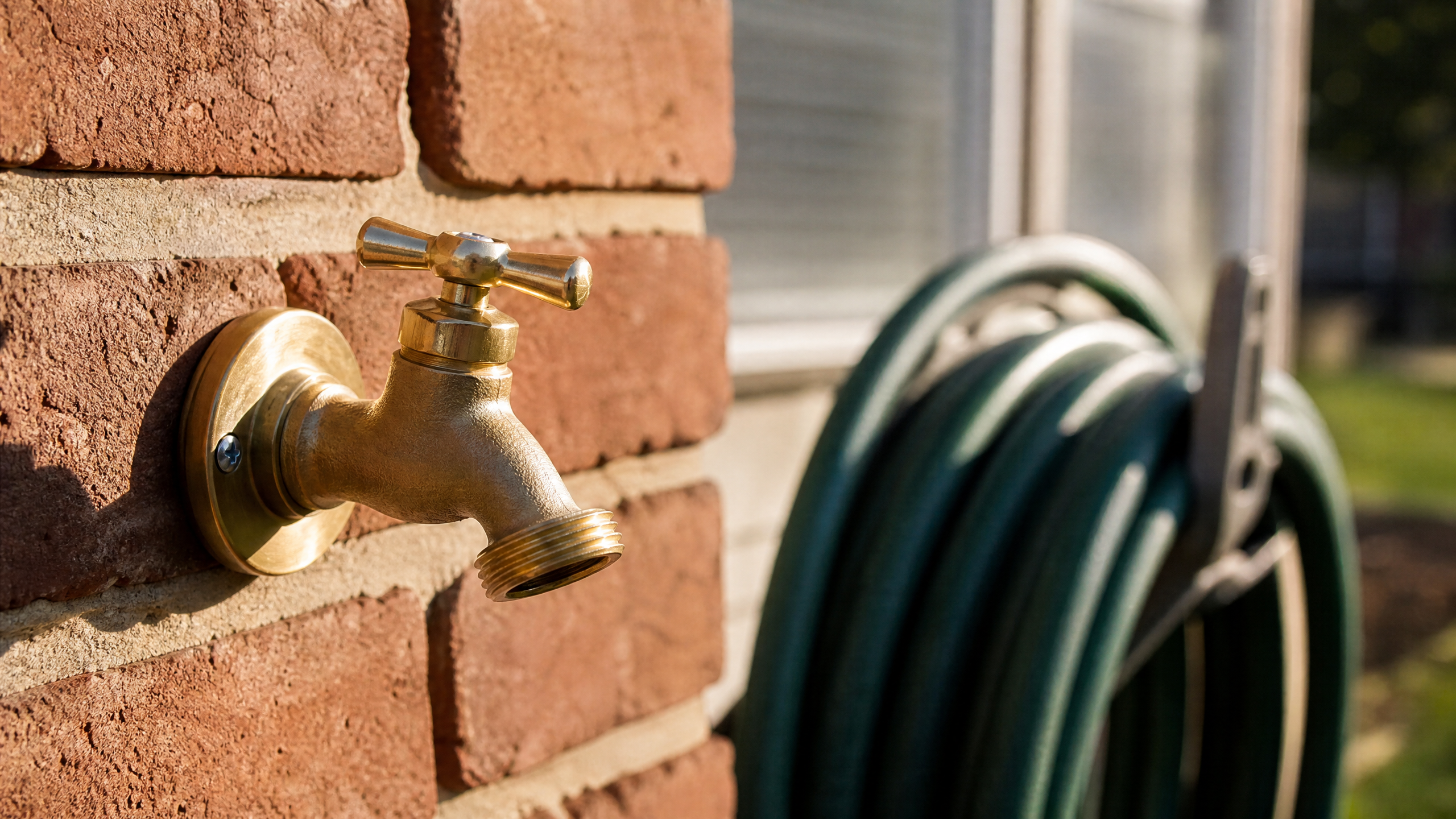
Beyond freeze damage, everyday leaks from outdoor faucets are a significant source of water waste. The EPA's WaterSense program notes that a leaky faucet dripping at the rate of one drip per second can waste more than 3,000 gallons of water per year. Meanwhile, SAWS warns that a slow drip can waste as much as 170 gallons of water each day, or 5,000 gallons per month — a significant expense on your water bill. In a city like San Antonio, where SAWS actively promotes water conservation to manage our precious Edwards Aquifer resources, fixing a leaky spigot is both an environmental and financial imperative. Often, these leaks are caused by worn-out washers or a failing vacuum breaker (anti-siphon valve), which are relatively simple repairs for a qualified professional.
Frost-Free Hose Bibs: The Ultimate Protection
If your home still has traditional outdoor faucets, upgrading to a frost-free hose bib (also known as a frost-proof sillcock) is one of the smartest investments you can make. Unlike standard spigots where the water stops right at the exterior wall, a frost-free hose bib features a long stem that places the actual shut-off valve deep inside the heated portion of your home. When you turn off the water, the remaining water in the exterior section drains out automatically, leaving nothing to freeze. This design eliminates the risk of ice buildup and burst pipes — provided you remember one crucial step: always disconnect your garden hose before freezing temperatures arrive. Leaving a hose attached traps the water, rendering the frost-free feature completely useless.
Frost-Free vs. Traditional Hose Bibs: A Quick Comparison
Understanding the difference between these two types of outdoor faucets can help you make an informed decision about upgrading your home's outdoor plumbing.
| Feature | Frost-Free Hose Bib | Traditional Hose Bib |
|---|---|---|
| Freeze Protection | Built-in; water drains automatically when off | None; requires manual winterization |
| Shut-Off Valve Location | Inside the heated home | At the exterior wall |
| Winter Maintenance | Minimal (just disconnect hoses) | Requires draining, covers, and shut-off |
| Upfront Cost | Higher | Lower |
| Long-Term Value | Excellent (prevents costly burst pipes) | Poor in freeze-prone climates |
Step-by-Step Winterization for San Antonio Homeowners
Even if you have frost-free spigots, taking a few minutes to winterize your outdoor plumbing before a freeze can save you thousands of dollars. The San Antonio Water System (SAWS) recommends the following steps to protect your pipes:
- Disconnect all hoses: Remove, drain, and store all garden hoses indoors. Attached hoses trap water in the spigot, causing even frost-free models to freeze and burst.
- Inspect for leaks: Check your spigots for any drips. If a faucet is leaking, the valve isn't closing completely, meaning water is constantly present in the freeze zone. Have it repaired before the first freeze.
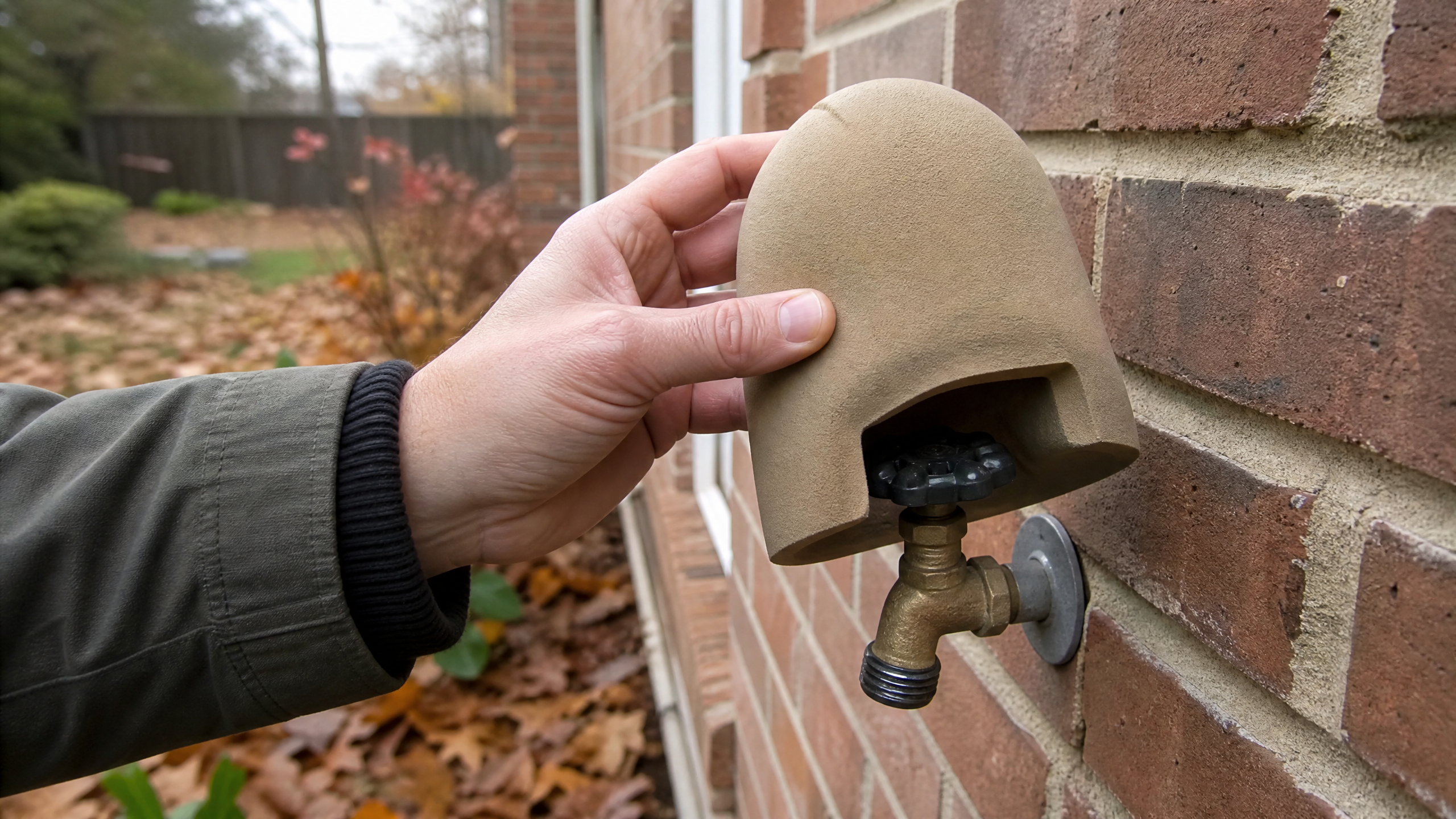
- Install faucet insulation covers: For traditional spigots, install a foam or hard plastic insulated faucet cover. These inexpensive covers trap the heat radiating from your home's interior and block freezing wind.
- Seal gaps around pipes: Cold winds can speed up the freezing process. Use foam sealant to close any openings where cold air can reach unprotected pipes near your outdoor faucet.
- Locate your main shut-off valve: In the event of a burst pipe, you need to know exactly where your main water shut-off valve is located to minimize damage. SAWS recommends knowing this before an emergency occurs.
Common Hose Bib Problems and How to Fix Them
Outdoor faucets face unique challenges in San Antonio's climate, from hard water mineral buildup to UV exposure and occasional freezes. Here are the most common problems homeowners encounter:
Leaking from the Spout
A dripping spout is almost always caused by a worn washer or O-ring inside the faucet. San Antonio's hard water accelerates this wear, as mineral deposits build up on the internal components over time. In many cases, a plumber can replace the washer and restore a watertight seal without replacing the entire faucet.
Leaking from the Vacuum Breaker (Anti-Siphon Valve)
If water is leaking from the top of the spigot — often from a small mushroom-shaped cap — the vacuum breaker has likely failed. This component is a critical backflow prevention device that stops contaminated water (from a garden hose left in a bucket, for example) from being siphoned back into your home's clean drinking water supply. Many municipalities, including those served by SAWS, require vacuum breakers on outdoor faucets. Replacing a failed vacuum breaker is a straightforward repair for a licensed plumber.
Stiff or Difficult-to-Turn Handle
Mineral buildup from San Antonio's notoriously hard water is the most common culprit when a faucet handle becomes stiff. Over time, calcium and magnesium deposits can seize up the internal stem. A professional can disassemble the faucet, remove the buildup, and lubricate the moving parts. If the corrosion is severe, replacement may be the more cost-effective option. For more information on how hard water affects your plumbing, see our guide on water softener solutions for San Antonio homes.
Low Water Pressure at the Outdoor Faucet
Reduced water pressure at your hose bib can be caused by mineral deposits clogging the aerator or the internal valve not opening fully. It can also indicate a partially closed shut-off valve on the supply line inside your home. If you're experiencing low pressure throughout your home, not just at the outdoor faucet, read our article on diagnosing low water pressure in San Antonio.
When to Repair vs. Replace Your Hose Bib
Minor repairs like washer replacements and vacuum breaker swaps are almost always worth doing. However, if your outdoor faucet is an older traditional model, has suffered freeze damage, or requires repeated repairs, upgrading to a frost-free model is the smarter long-term investment. A licensed plumber can assess your current setup, recommend the right frost-free model for your wall thickness and pipe configuration, and ensure the installation meets local plumbing codes — including the required downward slope for proper drainage.
Ready to protect your home from leaks and freeze damage?
Whether you need a quick repair or a full frost-free upgrade, Bluebonnet Plumbing is here to help during business hours.
Schedule your service online or call us at (210) 934-5468 today.
Frequently Asked Questions About Outdoor Hose Bibs in San Antonio
Do I need to cover a frost-free hose bib in the winter?
Technically, a properly installed frost-free hose bib does not require a cover because the water shuts off inside the heated part of the home. However, adding a foam cover provides an extra layer of insulation against extreme wind chill and is a good practice during severe freezes like Winter Storm Uri. The most important step is always to disconnect your garden hose before temperatures drop below freezing.
Why is my outdoor spigot leaking from the top?
If water is leaking from the top of the spigot (often from a small mushroom-shaped cap) when you turn it on, the vacuum breaker (anti-siphon valve) has likely failed. This component prevents contaminated water from flowing backward into your home's clean water supply. The internal parts wear out over time and need to be replaced by a licensed plumber.
How much water does a dripping outdoor faucet waste?
According to the EPA WaterSense program, a faucet that drips just once per second can waste over 3,000 gallons of water annually. SAWS estimates a slow drip can waste up to 5,000 gallons per month. In San Antonio, fixing these leaks is crucial for conserving water from the Edwards Aquifer and keeping your SAWS bill manageable.
How do I know if my outdoor faucet pipe burst during a freeze?
Signs of a burst pipe behind your outdoor faucet include: water stains on your interior walls near the faucet location, a sudden drop in water pressure throughout the house, the sound of running water when all faucets are off, or water pooling in your yard near the exterior wall. If you suspect a burst pipe, shut off your main water supply immediately and call a licensed plumber during business hours.
How often should outdoor hose bibs be replaced?
A quality brass hose bib can last 20 years or more with proper maintenance. However, traditional spigots in San Antonio homes that have experienced multiple freeze events, or that show signs of significant corrosion from hard water, may need replacement sooner. If you're having the same faucet repaired repeatedly, replacement is likely the more cost-effective choice.
For more tips on protecting your home's plumbing, check out our Spring Plumbing Maintenance Guide and learn how to prevent indoor issues with our Homeowner's Guide to Drain Health. If you're concerned about your home's overall water quality, our San Antonio Water Quality and Filtration guide is a great resource.