
As the Texas bluebonnets start painting fields across Bexar County, San Antonio homeowners face a seasonal to-do list that goes well beyond yard work. Spring plumbing maintenance in San Antonio is one of the smartest investments you can make in your home — and one of the most commonly overlooked. The transition from our mild (but occasionally unpredictable) winters into the high-demand summer months puts real stress on your pipes, fixtures, water heater, and outdoor systems.
Whether you moved into your home last year or you've been in the same Alamo Heights bungalow for decades, this guide from Bluebonnet Plumbing walks you through everything you need to know about protecting your plumbing this spring. We'll cover the unique challenges of San Antonio's climate and water supply, give you a practical maintenance checklist, help you understand when a problem calls for professional help, and answer the most common questions we hear from local homeowners.
Why Spring Plumbing Maintenance Matters in San Antonio
Every region has its own plumbing quirks, and San Antonio is no exception. Our spring season brings a combination of factors that can expose hidden damage, create new problems, and strain systems that were already working overtime during the winter. Understanding these local pressures is the first step toward keeping your home's water systems running smoothly.
Late-Season Cold Snaps and Thaw Damage
San Antonio doesn't endure the brutal winters of the northern states, but that can actually work against us. Homeowners here are less likely to insulate exposed pipes or winterize outdoor faucets — and then a sudden March cold front rolls through. Pipes in garages, crawl spaces, and exterior walls are especially vulnerable. When water freezes inside a pipe, it expands with enough force to crack metal and burst fittings. The real trouble often starts after the freeze, when ice melts, and water begins seeping through those hairline fractures. These "thaw leaks" can go undetected for days, quietly damaging drywall, insulation, and even your foundation.
That's why a thorough post-winter inspection is the most important item on any spring plumbing maintenance checklist. Catching a small crack now prevents a catastrophic failure later.
Increased Water Demand in Warmer Months
As temperatures climb into the 80s and 90s, San Antonio households naturally use more water — filling pools, watering lawns, running sprinklers, and taking more showers. This surge in demand amplifies any pre-existing weakness in your system. A partial clog that was barely noticeable in February can become a full blockage in June. A water heater struggling under sediment buildup will work even harder to keep up. Spring is your window to get ahead of these problems before they become disruptive and expensive.

San Antonio's Hard Water: The Year-Round Plumbing Challenge
If you live in San Antonio, you live with hard water — and that single fact shapes nearly every plumbing maintenance decision you'll make. Our water supply comes primarily from the Edwards Aquifer, which flows through vast limestone formations. Along the way, it picks up heavy concentrations of calcium and magnesium. According to the San Antonio Water System (SAWS), local water hardness typically measures between 15 and 20 grains per gallon (gpg) — well above the 7 gpg threshold for "hard" water and firmly in the "very hard" category.
While perfectly safe to drink, these dissolved minerals wreak havoc on your plumbing over time. Here's what hard water does to a San Antonio home:
- Limescale buildup on fixtures: That chalky white crust on your faucets, showerheads, and aerators isn't just ugly — it restricts water flow and reduces pressure. Limescale also coats sinks, tubs, and glass shower doors, leaving stubborn spots that resist ordinary cleaning.
- Narrowed pipes: Inside your walls, mineral deposits slowly accumulate on pipe interiors, reducing diameter and choking off water flow. Over the years, this has led to noticeably lower water pressure throughout the house.
- Appliance damage: Hard water is especially destructive to water heaters, dishwashers, and washing machines. In water heaters, minerals settle into a thick sediment layer at the bottom of the tank, insulating the water from the heating element and forcing the unit to work harder and longer — driving up energy bills and shortening its lifespan.
- Accelerated corrosion: In older homes with galvanized steel pipes, mineral deposits speed up internal corrosion, creating weak points that can eventually leak or burst.
The most effective long-term defense is a whole-home water softener, which uses ion exchange to remove calcium and magnesium before they enter your plumbing. For targeted relief, soaking faucet aerators and showerheads in white vinegar dissolves existing scale and restores flow. Either way, spring is the perfect time to assess how hard water is affecting your home and take action.
Click Here to Schedule a No-Obligation Consultation with our team of Licensed Plumbers to learn about water softener options for your home.
Your Spring Plumbing Maintenance Checklist
A structured approach to spring plumbing maintenance in San Antonio helps you catch small issues before they snowball. Below is a practical, room-by-room and system-by-system checklist you can work through over a couple of days — or hand off to your plumber for a professional tune-up.
1. Inspect for Hidden Leaks
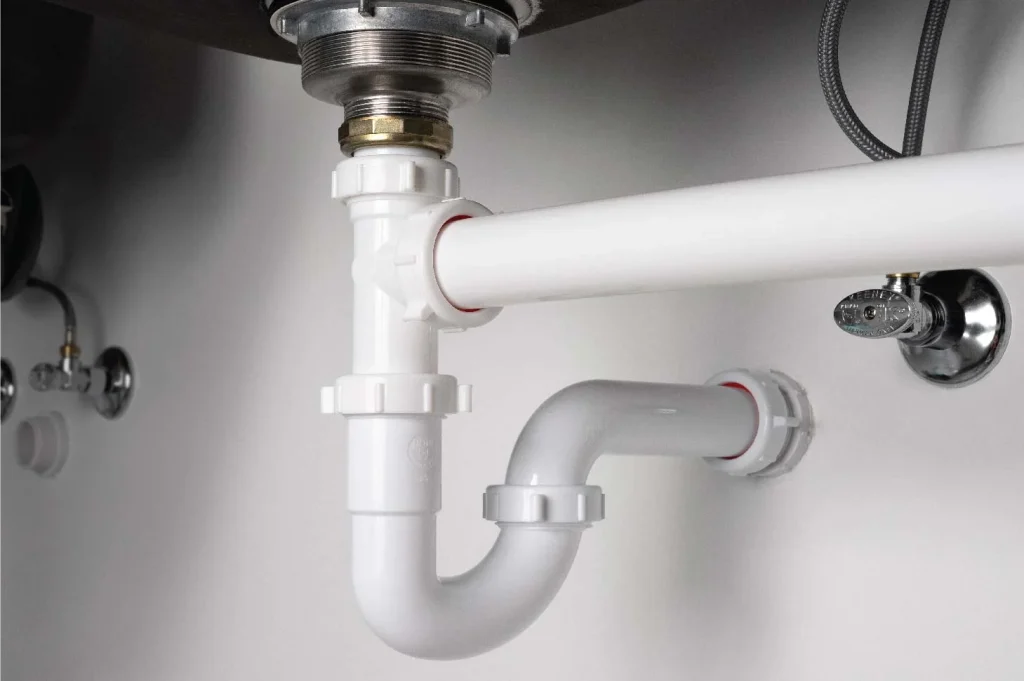
Start by looking under every sink in your home — kitchen, bathrooms, and laundry room. Check for drips, moisture, water stains on cabinet floors, or any musty smell that could indicate mold from a slow leak. Then check your water meter: turn off all water-using fixtures and appliances, note the meter reading, wait 30 minutes without using any water, and check again. If the meter has moved, you likely have a hidden leak somewhere in the system.
2. Test All Drains
Run water in every sink, tub, and shower. A properly functioning drain should clear quickly with a full swirl. Slow drainage, gurgling sounds, or bubbling are early warning signs of a developing clog. Address slow drains with a mixture of baking soda and vinegar, followed by hot water — avoid harsh chemical drain cleaners, which can corrode pipes over time.
3. Check Outdoor Faucets and Hose Bibs
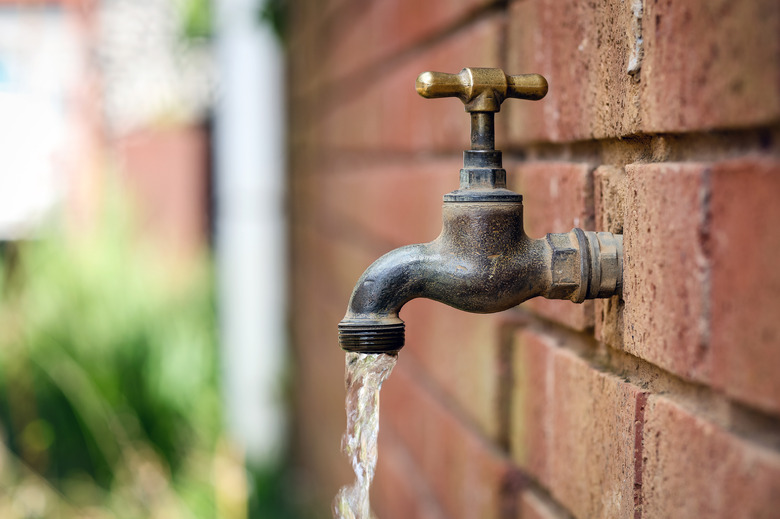
Turn on each outdoor faucet one at a time. Watch for drips around the handle and spout, and — this is critical — listen for the sound of running water inside the adjacent wall. That sound indicates a cracked pipe behind the wall, likely caused by a winter freeze. Even a small crack here can cause serious water damage to your home's structure if left unrepaired.
4. Reactivate and Inspect Your Sprinkler System
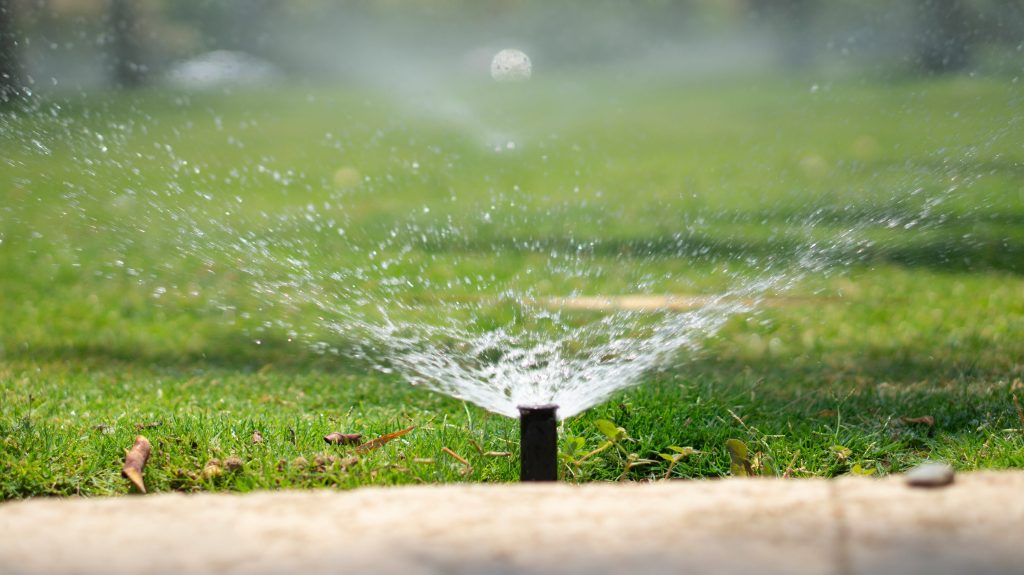
Before turning on your irrigation system for the season, walk your entire property and visually inspect all sprinkler heads and any visible piping for cracks or displacement. Once you turn the water on, run each zone individually and watch for geysers, pooling water, or heads that don't pop up properly. Underground leaks in sprinkler lines waste enormous amounts of water and can undermine your foundation or damage landscaping. The EPA's WaterSense program estimates that household leaks waste nearly 1 trillion gallons of water nationwide each year — and irrigation systems are a major contributor.
5. Flush Your Water Heater
This is one of the most impactful maintenance tasks for any San Antonio home. Hard water sediment accumulates at the bottom of your water heater tank throughout the year, reducing heating efficiency and driving up energy costs. Flushing the tank annually removes this buildup, restores performance, and extends the unit's lifespan. Signs your water heater needs attention include rumbling or popping noises, inconsistent hot water temperatures, or rusty-colored water from the hot tap.
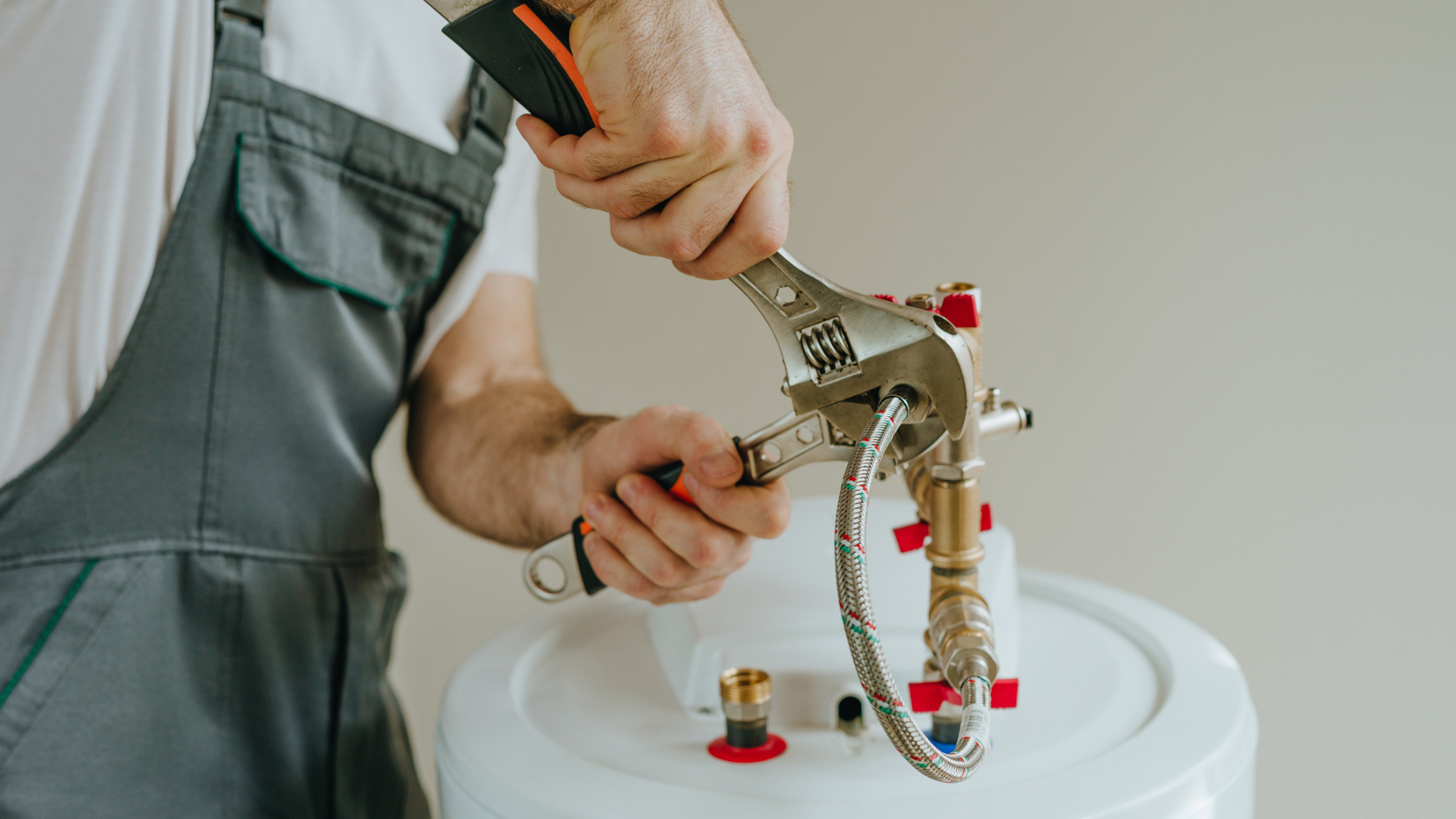
Don’t wait for small issues to turn into expensive repairs—Contact our Team today to schedule your water heater flush and keep your system performing at its best.
6. Inspect Supply Hoses and Connections
Check the flexible water supply hoses connected to your washing machine, dishwasher, and refrigerator icemaker. These rubber or braided-steel hoses degrade over time and can burst without warning, causing significant flooding. Look for bulging, cracking, fraying, or any signs of moisture at the connections. As a rule of thumb, replace rubber supply hoses every three to five years — even if they look fine on the outside.
7. Run Infrequently Used Fixtures
If you have a guest bathroom, a wet bar, or any fixture that doesn't get regular use, run the water and flush the toilet. The water in the P-trap (the curved pipe under the drain) can evaporate over time, breaking the seal that prevents sewer gases from entering your home. A quick flush refills the trap and eliminates any unpleasant odors.
8. Check Your Water Pressure
You can test your home's water pressure with an inexpensive gauge that threads onto any outdoor hose bib. Ideal residential water pressure ranges from 40 to 60 psi. Pressure that's too low may indicate a hidden leak or pipe blockage; pressure that's too high (above 80 psi) stresses pipes, fittings, and appliances. If your pressure is consistently outside the healthy range, it's worth a professional evaluation.
DIY Fixes vs. When to Call a Professional Plumber
Part of smart plumbing maintenance in San Antonio is knowing your limits. Some tasks are perfectly manageable for a handy homeowner, while others carry risks that make professional help the wiser — and ultimately cheaper — choice.
Tasks You Can Handle Yourself
- Clearing a simple clog in a single drain with a plunger or hand-cranked snake
- Replacing faucet aerators and showerheads
- Swapping out a toilet flapper or fill valve
- Tightening a dripping connection under a sink
- Descaling fixtures with vinegar
- Running your sprinkler system zone-by-zone to check for visible issues
The American Red Cross recommends every household member know the location of the main water shut-off valve — a crucial first response if any DIY project goes sideways.
When Professional Help Is the Right Call
- Burst or leaking pipes inside walls: These require specialized detection and repair to prevent structural damage.
- Sewage backups: Multiple clogged drains or waste coming up through floor drains signal a main sewer line problem and pose a health hazard.
- Gas line work: Never attempt repairs on gas-connected appliances yourself. The risk of leaks, fire, or explosion is too high.
- Persistent low water pressure throughout the house: This usually points to a hidden leak, pipe corrosion, or a main line issue that needs professional diagnosis.
- Unexplained spikes in your water bill: Almost always caused by a hidden leak that requires professional detection equipment.
- Sewer line camera inspections: If you have mature trees near your sewer line, roots may be infiltrating the pipe. A plumber's camera inspection can identify intrusions before they cause a backup.
- Water heater repairs should always be handled by a licensed professional. Issues like malfunctioning pressure relief valves, pilot light problems, and electrical component failures can be complex and unsafe to address without proper experience. It’s also recommended to have a licensed plumber perform routine maintenance at least once a year to flush out sediment, improve efficiency, and extend the lifespan of your system.
Stay ahead of costly repairs—schedule your annual water heater maintenance with a licensed professional today.

The Real Payoff: Why Proactive Maintenance Saves You Money
It's easy to push plumbing maintenance to the bottom of the to-do list — until a small problem becomes an expensive one. Here's what a proactive approach actually delivers for San Antonio homeowners:
- Lower repair bills: Fixing a minor leak or clearing a partial clog costs a fraction of repairing water-damaged flooring, drywall, or a failed sewer line. Preventive maintenance is always cheaper than reactive, last-minute repairs.
- Reduced utility costs: A flushed, efficient water heater uses less energy. Fixed leaks mean less wasted water. The EPA estimates that a faucet dripping once per second wastes more than 3,000 gallons per year.
Don’t let wasted energy drive up your bills—schedule your professional water heater flush today and start saving. - Longer equipment life: Regular care extends the lifespan of your water heater, washing machine, dishwasher, and the pipes themselves — delaying expensive replacements by years.
- Water conservation: In a region where water is a precious resource, preventing waste through leak detection and sprinkler system maintenance is both responsible and cost-effective.
- Peace of mind: Knowing your plumbing has been inspected and tuned up means fewer surprises, less stress, and a more comfortable home all season long.
Frequently Asked Questions About Spring Plumbing Maintenance in San Antonio
How often should I flush my water heater in San Antonio?
Because of our extremely hard water (15–20 gpg), San Antonio homeowners should flush their water heater at least once a year — and spring is the ideal time. Sediment from dissolved minerals accumulates faster here than in areas with softer water, reducing efficiency and shortening the tank's lifespan. If your unit is older or you hear rumbling noises, a professional flush is especially important.
Book your Professional Water heater flush today and keep your system performing at its best year-round.
What are the signs of a hidden water leak in my home?
Watch for unexplained increases in your water bill, damp or discolored spots on walls and ceilings, a musty or moldy smell in cabinets or closets, the sound of running water when no fixtures are in use, and warm spots on floors (which can indicate a hot water line leak beneath the slab). A meter test — shutting off all water and checking for meter movement — is one of the simplest ways to confirm a suspected leak.
Is San Antonio's hard water damaging my plumbing?
Yes, over time. With hardness levels between 15 and 20 gpg, San Antonio's water steadily deposits limescale inside pipes, on fixtures, and within appliances like water heaters and dishwashers. This reduces water flow, increases energy consumption, and shortens equipment life. A whole-home water softener is the most effective long-term solution, while regular descaling of fixtures provides immediate relief.
Is your home experiencing hard water buildup around fixtures, appliances, and dishes? Contact our team to learn about a water softener for your home!
Can I use chemical drain cleaners to clear a clog?
While some store-bought drain cleaners may offer a quick fix, they can be harsh on your plumbing system if used frequently or incorrectly — especially in older pipes. The good news is that most minor clogs can be handled safely with simple tools like a plunger or a hand-cranked drain snake. And when you need extra help, our team uses professional-grade solutions and equipment designed to clear clogs effectively while protecting your pipes.
If the clog keeps coming back, we’re here to help with a safe, long-lasting solution.
Are your drains draining slowly or not at all? Contact Bluebonnet Plumbing for professional drain clearing services in San Antonio.
How do I know if tree roots are affecting my sewer line?
Common signs include multiple slow drains throughout the house, gurgling sounds from toilets, recurring clogs despite clearing them, sewage odors in the yard, and patches of unusually lush or green grass above the sewer line path. If you have mature trees within 20–30 feet of your sewer line, a professional camera inspection is the most reliable way to check for root intrusion before it causes a backup.
Think you might have tree roots affecting your pipes? Contact Bluebonnet Plumbing today to schedule a sewer line inspection!
What water pressure is normal for a San Antonio home?
Healthy residential water pressure ranges from 40 to 60 psi. You can measure yours with an inexpensive gauge from any hardware store that screws onto an outdoor hose bib. Pressure below 40 psi may indicate a leak or blockage, while pressure above 80 psi can stress pipes and fixtures. A pressure-reducing valve can be installed if your home consistently runs too high.
Dealing with low water pressure? Contact our team of licensed plumbers for a San Antonio plumbing inspection!
Should I turn off the outdoor faucets during a late-spring cold snap?
Absolutely. San Antonio can experience freezing temperatures as late as March. If a freeze is forecast, disconnect garden hoses, close the interior shut-off valve for outdoor faucets (if your home has one), and open the outdoor faucet to let any remaining water drain. Insulated faucet covers offer an extra layer of protection and are available at most local hardware stores.
How can I tell if my water heater needs to be replaced rather than repaired?
Most traditional tank water heaters last 8–12 years. If yours is approaching that age and you're experiencing frequent issues — inconsistent temperatures, rusty water from the hot tap, visible corrosion on the tank, or recurring leaks around the base — replacement is usually more cost-effective than continued repairs. A professional inspection can help you weigh your options.
Schedule Your Spring Plumbing Inspection with Bluebonnet Plumbing
Spring plumbing maintenance in San Antonio doesn't have to be overwhelming. Whether you work through the checklist above on your own or prefer to have a licensed professional handle it, the important thing is that it gets done — before a small issue turns into a big, expensive problem.
At Bluebonnet Plumbing, we help San Antonio homeowners protect their homes with thorough, honest plumbing inspections and maintenance. We know the local challenges — from our notoriously hard water to late-season freezes — and we tailor our services to what your home actually needs.
Ready to get your plumbing in shape for spring?
Contact Bluebonnet Plumbing today to schedule your seasonal inspection.
Phone: +1 210-806-7285
Address: 1917 El Monte Blvd, San Antonio, TX 78201
Hours: Monday–Friday, 8 AM–5 PM
Don't wait for a leak to tell you something's wrong. A little maintenance now saves a lot of headaches later. Give us a call — we're happy to help you start the season right.