
Your home's drainage system is one of those essential components you rarely think about—until something goes wrong. For San Antonio homeowners, maintaining healthy drains isn't just about avoiding inconvenient backups; it's about protecting your property, preserving your home's value, and preventing costly repairs down the line. Whether you're dealing with the notorious hard water of Central Texas or simply want to keep your plumbing running smoothly, this comprehensive guide will help you understand everything you need to know about drain health and maintenance.
At Bluebonnet Plumbing, we've spent years helping San Antonio residents tackle their toughest drain challenges. From the historic homes of Monte Vista to newer constructions in Stone Oak, we've seen it all. This guide draws on that experience to give you actionable strategies for keeping your drains clear and your plumbing system in top condition.
Dealing with slow drains or recurring clogs? Contact Bluebonnet Plumbing today for fast, professional drain solutions in San Antonio.
Understanding Your Home's Drainage System
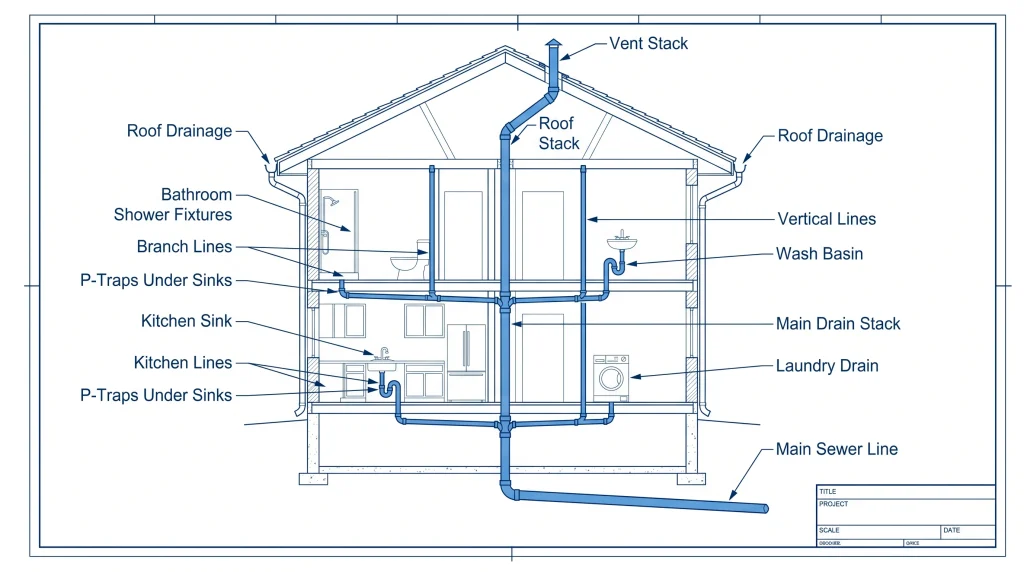
Before we dive into prevention strategies, it's important to understand how your home's drainage system actually works. Your plumbing system consists of two main subsystems: the supply system that brings clean water in, and the drainage system that carries wastewater away. The drainage system relies entirely on gravity and proper venting to function correctly.
The Main Components of Your Drain System
Every drain in your home connects to a series of increasingly larger pipes that eventually lead to your main sewer line. Kitchen sinks, bathroom sinks, toilets, showers, and washing machines all have individual drain lines that merge into branch lines, which then connect to your main drain stack. This vertical pipe runs from your roof down through your home and connects to the lateral sewer line that carries waste away from your property.
In San Antonio's predominantly clay soil conditions, this lateral line can be particularly vulnerable to issues like tree root intrusion and soil shifting—factors that make regular maintenance even more critical for local homeowners.
How San Antonio's Water Quality Affects Your Drains
San Antonio's water supply, primarily sourced from the Edwards Aquifer, is known for being exceptionally hard. According to the U.S. Geological Survey, hard water contains high levels of dissolved minerals, particularly calcium and magnesium. While this makes our water taste great, it also means mineral buildup can accumulate in your pipes over time, gradually narrowing the diameter of your drain lines and making clogs more likely.
This mineral accumulation combines with soap scum, grease, and other debris to create stubborn deposits that can significantly impede water flow. For San Antonio homeowners, this means drain maintenance isn't just recommended—it's essential for long-term plumbing health.
Need Professional Drain Cleaning in San Antonio?
Bluebonnet Plumbing offers expert drain cleaning services throughout the San Antonio area. Our experienced technicians can clear even the toughest clogs and provide maintenance solutions to keep your drains flowing freely.
Call us at +1 210-806-7285
Monday–Friday, 8 AM – 5 PM
Common Causes of Drain Clogs and Backups
Understanding what causes drain problems is your first line of defense against them. While every home is different, most drain clogs fall into a few predictable categories.
Not sure what’s causing your drain issues? Our team can quickly diagnose and clear the problem—contact us today.
Kitchen Drain Culprits
Your kitchen drain handles some of the toughest challenges in your home. Grease and cooking oils are the number one enemies of kitchen drains. Even when poured down the drain as a liquid, grease solidifies as it cools, coating the inside of your pipes and trapping other debris. Over time, this creates a sticky, narrowing blockage that can completely stop water flow.
Food particles are another major issue, especially starchy foods like pasta and rice that expand when wet, coffee grounds that clump together, and fibrous materials like celery and potato peels. Even homes with garbage disposals aren't immune—disposals can only grind food into smaller pieces, not eliminate the problem.
Bathroom Drain Challenges
Bathroom drains face their own unique set of problems. Hair is the obvious culprit, but it's rarely the only issue. Hair combines with soap scum and mineral deposits from San Antonio's hard water to create dense, rope-like clogs that can be incredibly stubborn to remove.
Soap itself is worth mentioning. Traditional bar soaps contain fats and oils that combine with minerals in hard water to form soap scum—that stubborn residue you see on shower doors also builds up inside your pipes. Switching to soap-free cleansers can help reduce this buildup significantly.
Dental floss, cotton swabs, feminine hygiene products, and so-called "flushable" wipes also cause major problems. Despite manufacturer claims, these items don't break down in water the way toilet paper does and can create serious blockages in your drain lines.
Laundry Room Concerns
Your washing machine drain handles high volumes of water in short bursts, making it vulnerable to backup issues. Lint, pet hair, and detergent residue can accumulate in the drain line over time. In older homes, these drain lines may also be undersized for modern high-efficiency washers that can discharge large amounts of water very quickly.
Outdoor and Environmental Factors
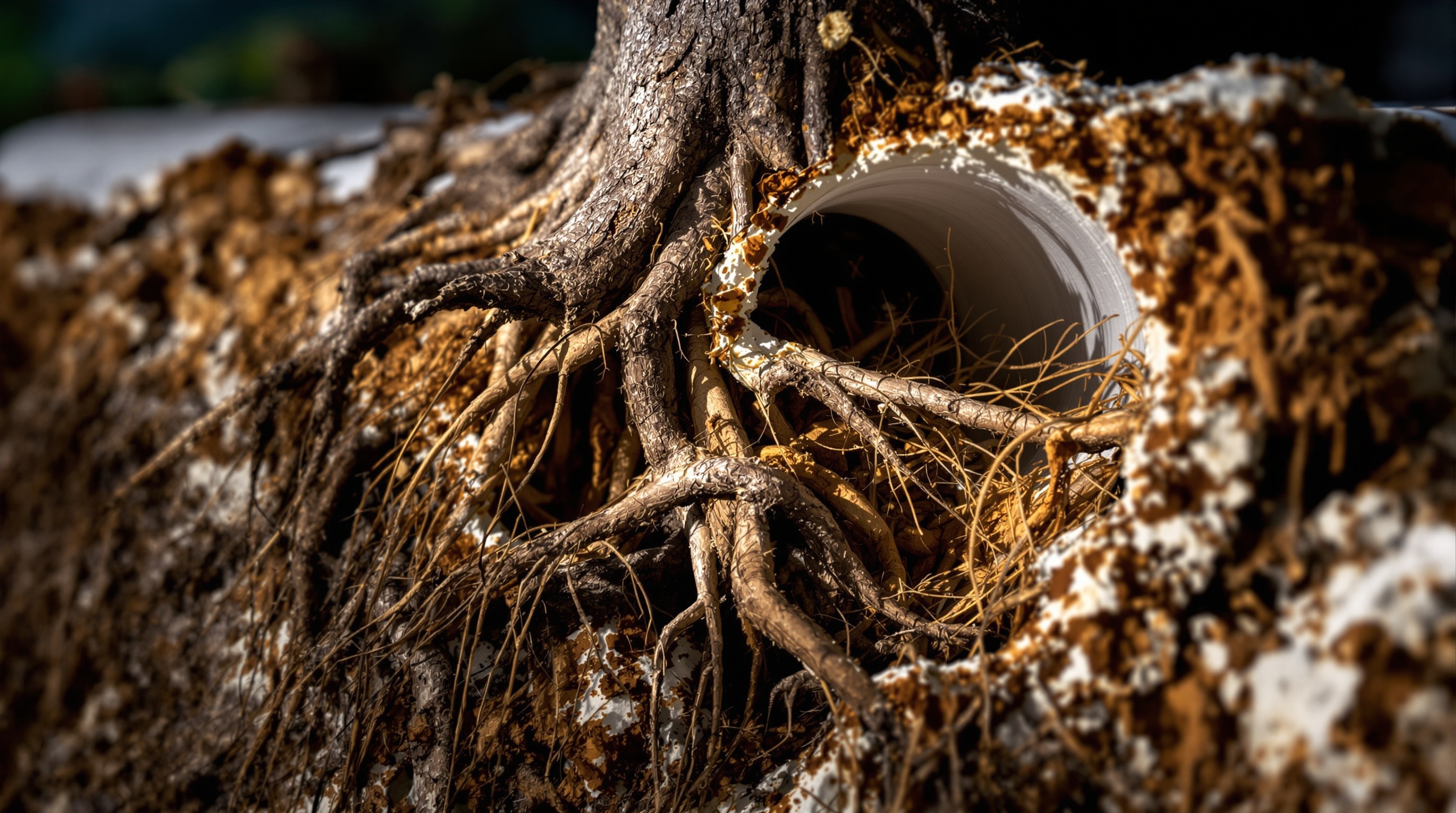
San Antonio's beautiful mature trees—especially live oaks and pecan trees—can be problematic for drain lines. Tree roots are naturally attracted to the moisture inside sewer pipes and can infiltrate through even small cracks or loose joints. Once inside, they grow rapidly and can completely block the line.
Our local clay soil expands and contracts with moisture changes, which can cause pipes to shift, crack, or separate at joints. During our occasional heavy rain events, this can lead to sudden drainage problems as soil movement affects your lateral sewer line.
Proactive Prevention: Daily and Weekly Habits
The best way to deal with drain problems is to prevent them from happening in the first place. Incorporating a few simple habits into your routine can dramatically reduce your risk of clogs and backups.
Even with good habits, buildup can still happen over time. If clogs keep coming back, contact our team for professional drain cleaning you can count on.
Kitchen Best Practices
Never pour grease down the drain. Instead, pour cooking oils and grease into a disposable container (like an empty can or jar) and throw it in the trash once it solidifies. For small amounts left in a pan, wipe it out with a paper towel before washing.
Use drain strainers or baskets in your kitchen sink to catch food particles before they enter your drain. Empty these strainers into the trash after each meal preparation session. Run cold water while using your garbage disposal and continue running it for 15-20 seconds after the disposal turns off to ensure all debris is flushed through your drain line.
Once a week, flush your kitchen drain with hot water. Boil a kettle of water and carefully pour it down the drain in two or three stages, allowing the hot water to work for several seconds between pours. This helps melt away minor grease deposits before they become problems.
Bathroom Maintenance Routines
Install drain covers or hair catchers in all bathroom sinks, showers, and tubs. These inexpensive devices catch hair before it enters your drain system. Clean these covers weekly—it may not be glamorous, but it's far easier than dealing with a clogged drain later.
After each shower, run hot water for 30 seconds to help flush hair and soap residue through the pipes. This simple habit takes almost no time but can significantly extend the life of your drains.
Never flush anything down the toilet except human waste and toilet paper. Keep a small trash can in every bathroom for dental floss, cotton products, and other items that should never enter your drain system.
Laundry Room Care
Clean your washing machine's lint filter regularly if it has one. Even if it doesn't, you can place a mesh lint trap bag over the end of the drain hose to catch lint before it enters your drain line. These bags are available at most hardware stores and can prevent significant buildup in your drains.
Check behind your washing machine periodically to ensure the drain hose isn't kinked or positioned incorrectly. The hose should be secured in the standpipe with at least 6-8 inches of insertion, but not pushed in so far that it creates a seal that could cause drainage issues.
Experiencing Slow Drains in Your San Antonio Home?
Don't wait until a slow drain becomes a complete backup. Bluebonnet Plumbing provides thorough drain cleaning services that address the root cause of drainage issues, not just the symptoms.
Schedule your service: +1 210-806-7285
Available Monday through Friday, 8 AM – 5 PM
Monthly and Seasonal Maintenance Tasks
Beyond daily habits, certain maintenance tasks should be performed on a monthly or seasonal basis to keep your drainage system in optimal condition.
Natural Drain Cleaning Methods
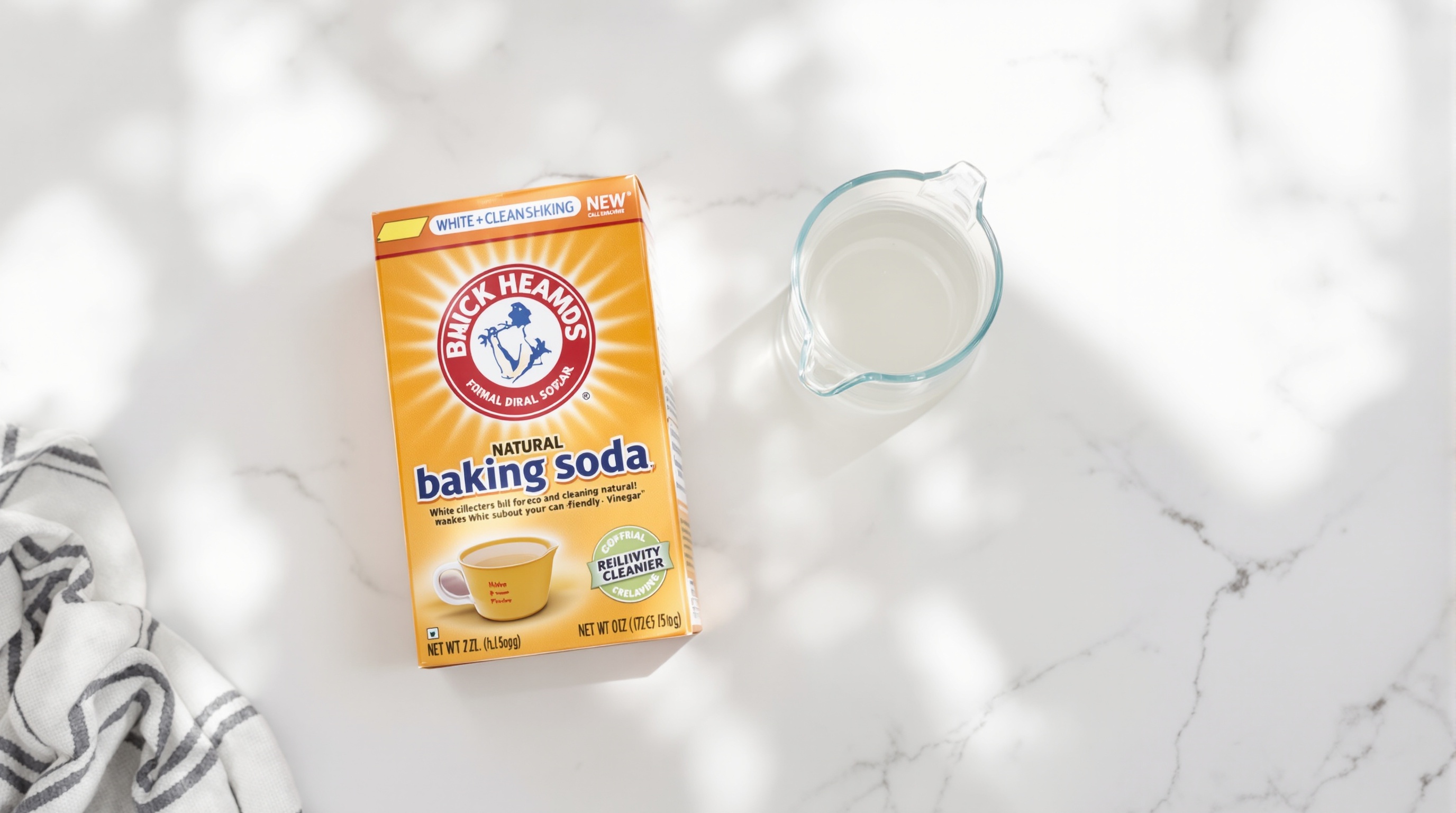
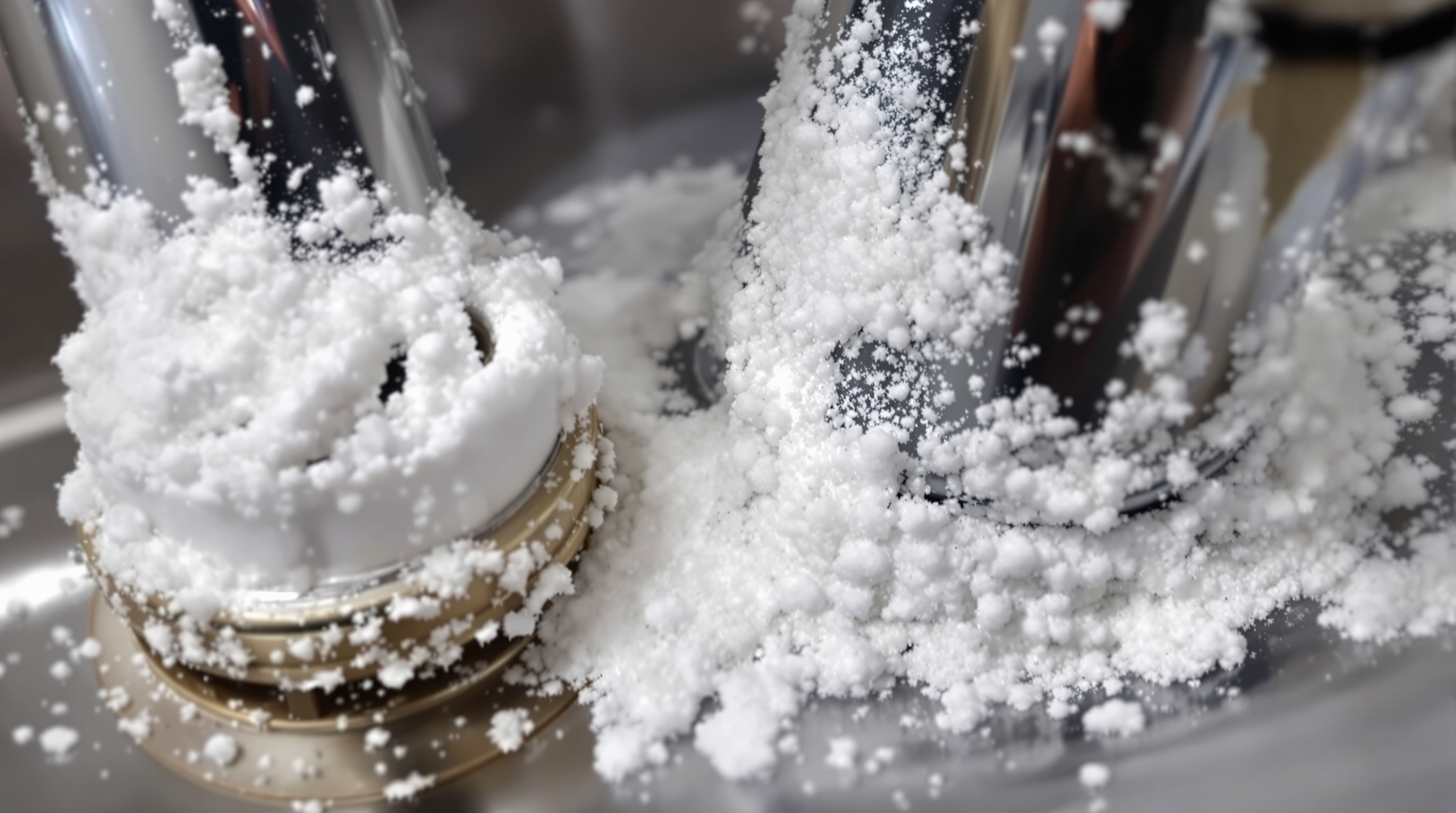
Once a month, treat your drains to a natural cleaning routine using baking soda and vinegar. Pour half a cup of baking soda down the drain, followed by half a cup of white vinegar. The chemical reaction creates fizzing action that can help dislodge minor buildup. Let it sit for 30 minutes to an hour, then flush with hot water.
While this method won't clear serious clogs, it's an effective maintenance strategy that helps control odors and prevent minor buildup from becoming major problems. It's also safe for your pipes and the environment—a win-win for conscientious San Antonio homeowners.
Checking Drain Vents
Your plumbing system's vent pipes, which extend through your roof, play a crucial role in drainage. They allow air to enter the drain system, which helps water flow smoothly and prevents suction that can slow drainage or create gurgling sounds.
Several times a year, especially after windstorms common in San Antonio during spring and fall, check your roof vents to ensure leaves, bird nests, or debris do not block them. If you're not comfortable climbing on your roof, this is a task worth adding to your regular professional plumbing inspection.
Outdoor Drain Maintenance
If your home has outdoor drains, such as those in patios or at the base of your driveway, keep them clear of leaves and debris. San Antonio's live oak trees drop leaves gradually throughout the year, making regular clearing important for preventing water accumulation during rain events.
Check the area around your home's foundation for proper grading. Water should flow away from your foundation, not toward it. Poor grading can lead to foundation issues and overload your drain system during heavy rain.
When to Call a Professional for Drain Cleaning in San Antonio
While preventive maintenance can solve many minor issues, there are times when professional intervention is necessary. Knowing when to call in the experts can save you from more extensive damage and costly repairs.
Warning Signs That Require Professional Attention
Multiple slow drains: If more than one drain in your home is slow or backing up, this often indicates a problem with your main sewer line rather than individual drain lines. This requires professional diagnosis and treatment.
Recurring clogs: If you're repeatedly dealing with the same clog despite your best efforts to clear it, there's likely a deeper issue at play. This could be a partial blockage further down the line, pipe damage, or root intrusion that needs professional equipment to resolve.
Foul odors: Persistent sewer odors coming from your drains can indicate a clog, a dry P-trap, or potentially a cracked pipe that's allowing sewer gas to escape. These situations require professional assessment to identify and fix the root cause.
Gurgling sounds: If you hear gurgling from your drains when you run water or flush the toilet, this often indicates a venting problem or a partial blockage that's causing air to be trapped in the system. Professional plumbers can diagnose and resolve these issues effectively.
Water backing up in unusual places: If water backs up in your shower when you run the washing machine, or your toilet gurgles when you drain the sink, these are signs of main line issues that require professional drain cleaning equipment to resolve.
If you’re noticing any of these warning signs, don’t wait for a full backup. Contact Bluebonnet Plumbing today to address the issue before it gets worse.
Professional Drain Cleaning Methods
Professional plumbers like those at Bluebonnet Plumbing use several specialized methods to clear drains effectively:
Drain snaking (or augering): A flexible cable with a specialized head is fed into the drain line to break up or retrieve blockages. Professional-grade drain snakes are far more powerful and effective than consumer versions available at hardware stores.
Hydro jetting: For stubborn clogs or heavy buildup, hydro jetting uses high-pressure water streams to scour the inside of pipes clean. This method is particularly effective for removing grease buildup, mineral deposits from hard water, and even cutting through tree roots. According to the EPA, regular professional maintenance of your plumbing system can prevent water waste and protect your home from damage.
Video camera inspection: Modern plumbers can insert a specialized camera into your drain lines to visually inspect the interior condition of your pipes. This technology allows for precise diagnosis of problems like cracks, root intrusion, or severe buildup, enabling targeted treatment.
The Value of Regular Professional Inspections
Even if you're not currently experiencing drainage problems, scheduling a professional inspection every few years is a wise investment, especially for older homes. A professional can identify developing issues before they become emergencies and can provide specific recommendations based on your home's unique plumbing configuration and the local conditions of San Antonio's soil and water quality.
Bluebonnet Plumbing: Your Trusted Partner for Drain Cleaning in San Antonio
With years of experience serving San Antonio homeowners, we understand the unique challenges of local plumbing systems. From hard water solutions to comprehensive drain cleaning, we're here to help keep your home's plumbing in top condition.
Get expert service today: +1 210-806-7285
Visit us at 1917 El Monte Blvd, San Antonio, TX 78201 | Monday–Friday, 8 AM – 5 PM
What NOT to Do: Common Mistakes That Damage Your Drains
Sometimes what we don't do is just as important as what we do. Avoiding these common mistakes can help protect your drain system and extend its lifespan.
Chemical Drain Cleaners: Why They're Not the Answer
Those bottles of chemical drain cleaner promising instant results are tempting when you're facing a clogged drain, but they come with significant downsides. These products contain highly caustic chemicals that can corrode your pipes over time, especially if you use them repeatedly. In older homes with older pipe materials, this corrosion can lead to leaks and costly pipe replacements.
Chemical drain cleaners are also hazardous to handle, can damage fixtures like porcelain sinks and tubs, and create dangerous fumes. They're often ineffective on serious clogs, meaning you've exposed your pipes to harsh chemicals without actually solving the problem.
For minor clogs, mechanical methods like plunging or drain snakes are safer and often more effective. For stubborn clogs, professional drain cleaning is the better choice for both your pipes and your safety.
DIY Mistakes to Avoid
While we encourage homeowners to handle basic maintenance, some DIY approaches can make problems worse. Using excessive force when plunging can damage pipe seals and connections. Pushing hangers or other improvised tools down drains can scratch the interior of pipes, creating rough surfaces where debris can catch and accumulate.
Be cautious about what you flush or rinse down drains based on internet advice. For example, some online sources suggest pouring boiling water down PVC drains, but temperatures above 175°F can damage PVC pipes. Hot water from your tap is sufficient for regular flushing—you don't need boiling water.
Ignoring Early Warning Signs
Perhaps the biggest mistake homeowners make is ignoring early warning signs. A slowly draining sink that gradually gets worse, occasional gurgling sounds, or intermittent sewer odors are all indicators that something is developing in your drain system. Addressing these issues early, when they're minor, is far less expensive and disruptive than waiting until you have a complete backup or damaged pipes.
Special Considerations for San Antonio Homes
San Antonio's unique characteristics create specific challenges and considerations for drain health that homeowners should understand.
Hard Water Solutions
Given San Antonio's exceptionally hard water, installing a water softener can significantly benefit your entire plumbing system, including your drains. Soft water reduces mineral buildup in pipes, helps soaps rinse more completely (reducing soap scum), and can extend the life of water-using appliances.
If a whole-house water softener isn't in your budget, consider at least treating the water for your washing machine and water heater. These appliances are particularly vulnerable to hard water damage, and protecting them can prevent future drain issues as well.
Foundation and Soil Considerations
San Antonio's expansive clay soil presents unique challenges for plumbing systems. The soil's tendency to expand when wet and contract when dry can cause underground pipes to shift, crack, or separate. This is particularly problematic for older homes with cast-iron or clay sewer lines.
Maintaining consistent moisture levels in the soil around your foundation—through proper landscape irrigation and drainage—can help minimize soil movement. This not only protects your foundation but also reduces stress on your underground drain lines.
Seasonal Rainfall Patterns
While San Antonio is generally dry, we can experience intense rainfall events, particularly during spring and fall. These sudden influxes of water can overwhelm drainage systems and expose existing weaknesses. Before the rainy season, ensure your outdoor drains and gutters are clear, and consider having your main sewer line inspected if your home is older or has mature trees nearby.
The National Weather Service provides detailed climate information for San Antonio that can help you plan your home maintenance schedule around typical weather patterns.
Long-Term Drain Health: An Investment in Your Home
Maintaining healthy drains is more than just avoiding inconvenience—it's about protecting one of your largest investments: your home. Proper drain care helps preserve your property value, prevents water damage that can affect your home's structure, and avoids the need for costly emergency repairs.
Creating Your Personal Drain Maintenance Schedule
Every home is different, but creating a regular maintenance schedule adapted to your specific situation is key to long-term drain health. Consider factors like:
- The age of your home and its plumbing system
- The number of people in your household (more people typically means more drain usage)
- Whether you have mature trees near your sewer line
- The type of pipe material in your home (older cast iron or galvanized steel pipes require more attention)
- Your water usage patterns (families who do multiple loads of laundry daily may need more frequent drain maintenance)
A typical schedule might include daily prevention habits, weekly hot water flushing, monthly natural cleaning treatments, and annual professional inspections. Adjust based on your specific circumstances and any recurring issues you've experienced.
Keeping Records
Maintain a simple log of your drain maintenance activities and any professional services you've had performed. Note dates of drain cleanings, locations of recurring problems, and any recommendations from plumbers. This record can help identify patterns, prove valuable when selling your home, and provide important information to plumbers during future service calls.
Upgrading When Necessary
If your home has older plumbing components, consider strategic upgrades over time. Replacing old galvanized steel or cast iron drain lines with modern PVC before they fail can prevent emergencies and water damage. While this represents an upfront cost, it's often far less expensive than dealing with a collapsed sewer line or extensive water damage from a burst pipe.
Similarly, if you're renovating a kitchen or bathroom, that's an ideal time to upgrade drain lines, install cleanout access points, and address any known drainage issues while walls are already open.
Frequently Asked Questions About Drain Health and Cleaning
How often should I have my drains professionally cleaned?
For most San Antonio homes, having your main drain lines professionally cleaned every 18-24 months is a good preventive maintenance schedule. However, this varies based on several factors. Older homes, homes with mature trees, or households that experience frequent slow drains may benefit from annual cleaning. If you're maintaining good preventive habits and not experiencing any drainage issues, you may be able to extend this to every 2-3 years. A professional plumber can assess your specific situation and recommend an appropriate schedule.
Are chemical drain cleaners safe for my pipes?
Chemical drain cleaners should be avoided in most situations. While they may temporarily clear some minor clogs, they contain highly caustic chemicals that can corrode your pipes over time, especially with repeated use. They're particularly problematic for older pipes, can damage fixtures, and are hazardous to handle. For minor clogs, use a plunger or drain snake instead. For stubborn clogs, professional drain cleaning is the safer and more effective option that won't risk damaging your plumbing system.
Why do my drains smell bad even when they're not clogged?
Drain odors can have several causes. The most common is biofilm buildup—a layer of bacteria and organic matter that accumulates on the inside of pipes and produces unpleasant smells. Regular cleaning with hot water and natural methods can help control this. Another cause is a dry P-trap (the curved section of pipe under sinks that holds water to block sewer gases). If a sink or floor drain isn't used regularly, the water in the P-trap can evaporate, allowing sewer gas to enter your home. Running water in unused drains weekly prevents this. Persistent odors despite these measures may indicate a venting problem or a cracked pipe that requires professional attention.
Can tree roots really damage my sewer line?
Absolutely. Tree roots are one of the most common causes of serious drain line problems in San Antonio. Roots are naturally attracted to the moisture and nutrients in sewer pipes and can infiltrate through tiny cracks, loose joints, or any small opening. Once inside, they grow rapidly and can completely block the pipe. Live oak trees, pecan trees, and other species common in San Antonio are particularly aggressive in seeking water sources. If you have mature trees within 50 feet of your sewer line, periodic camera inspections can detect root intrusion early before it becomes a major problem.
What's the best way to deal with hair in bathroom drains?
Prevention is the best approach for hair-related clogs. Install drain covers or hair catchers in all sinks, showers, and tubs, and clean them weekly. For hair that does make it into drains, avoid using chemical drain cleaners, which are often ineffective on hair clogs. A drain snake specifically designed for bathroom use can be effective for removing hair clogs from traps and short drain runs. For deeper clogs or recurring hair problems, professional drain cleaning can clear the blockage and remove accumulated buildup that's trapping hair.
How does San Antonio's hard water affect my drains?
San Antonio's water, sourced from the Edwards Aquifer, is among the hardest in the nation. Hard water contains high levels of dissolved minerals—primarily calcium and magnesium. Over time, these minerals deposit on the inside of pipes, gradually narrowing the diameter and making clogs more likely. This buildup combines with soap (creating soap scum) and grease to form stubborn deposits. Installing a water softener can significantly reduce this mineral buildup and is particularly beneficial for San Antonio homeowners as part of a comprehensive approach to maintaining drain health.
Should I use my garbage disposal for all food scraps?
Garbage disposals are convenient, but shouldn't be treated as a substitute for composting or trash disposal. They're designed to handle small amounts of soft food scraps, not large volumes or certain problematic foods. Avoid putting fibrous vegetables (celery, asparagus), starchy foods (pasta, rice), coffee grounds, eggshells, and anything greasy down your disposal. These items can contribute to clogs either immediately or over time as they accumulate. When you do use your disposal, always run cold water and continue running it for 15-20 seconds after turning the disposal off to ensure debris is fully flushed through your drain line.
What should I do if multiple drains in my home are backing up at once?
Multiple simultaneous backups or slow drains indicate a problem with your main sewer line rather than individual drain lines. This could be caused by a serious clog, root intrusion, or pipe damage. This situation requires professional attention and should be addressed promptly to prevent sewage backup into your home. Avoid using any drains until the problem is diagnosed and resolved. Contact a professional plumber who can perform a camera inspection to identify the exact location and cause of the blockage, then provide appropriate treatment such as hydro jetting or, if necessary, line repair or replacement.
Trust Bluebonnet Plumbing for All Your Drain Cleaning Needs in San Antonio
From preventive maintenance to addressing complex drainage issues, Bluebonnet Plumbing brings expertise, professionalism, and a commitment to customer satisfaction to every job. We understand San Antonio homes and the unique challenges they face.
Contact us today: +1 210-806-7285
1917 El Monte Blvd, San Antonio, TX 78201
Monday–Friday, 8 AM – 5 PM
Take Action Today: Protect Your San Antonio Home's Drain Health
Maintaining healthy drains doesn't require extensive technical knowledge or constant vigilance—just a commitment to good habits and timely professional care when needed. By implementing the preventive strategies outlined in this guide, staying alert to warning signs, and partnering with a trusted local plumber like Bluebonnet Plumbing for periodic maintenance and repairs, you can keep your drainage system flowing smoothly for years to come.
Remember that drain health is an investment in your home's overall condition and value. The relatively small amount of time and attention you dedicate to drain maintenance pays dividends by preventing costly emergencies, protecting your property from water damage, and ensuring your home's plumbing system operates efficiently.
Whether you're dealing with a current drainage issue or simply want to establish a preventive maintenance routine, Bluebonnet Plumbing is here to help. As San Antonio's trusted plumbing professionals, we combine technical expertise with a genuine commitment to helping homeowners protect their most important investment. Our team understands the specific challenges posed by our local water quality, soil conditions, and climate, and we're equipped to provide solutions that work for the long term.
Don't wait until a minor slow drain becomes a major backup. Take control of your home's drain health today with the strategies in this guide, and know that professional help is just a phone call away when you need it.
Ready to schedule a drain inspection or cleaning? Contact Bluebonnet Plumbing at +1 210-806-7285. We're available Monday through Friday, 8 AM – 5 PM, and we look forward to helping you maintain a healthy, efficient plumbing system.