
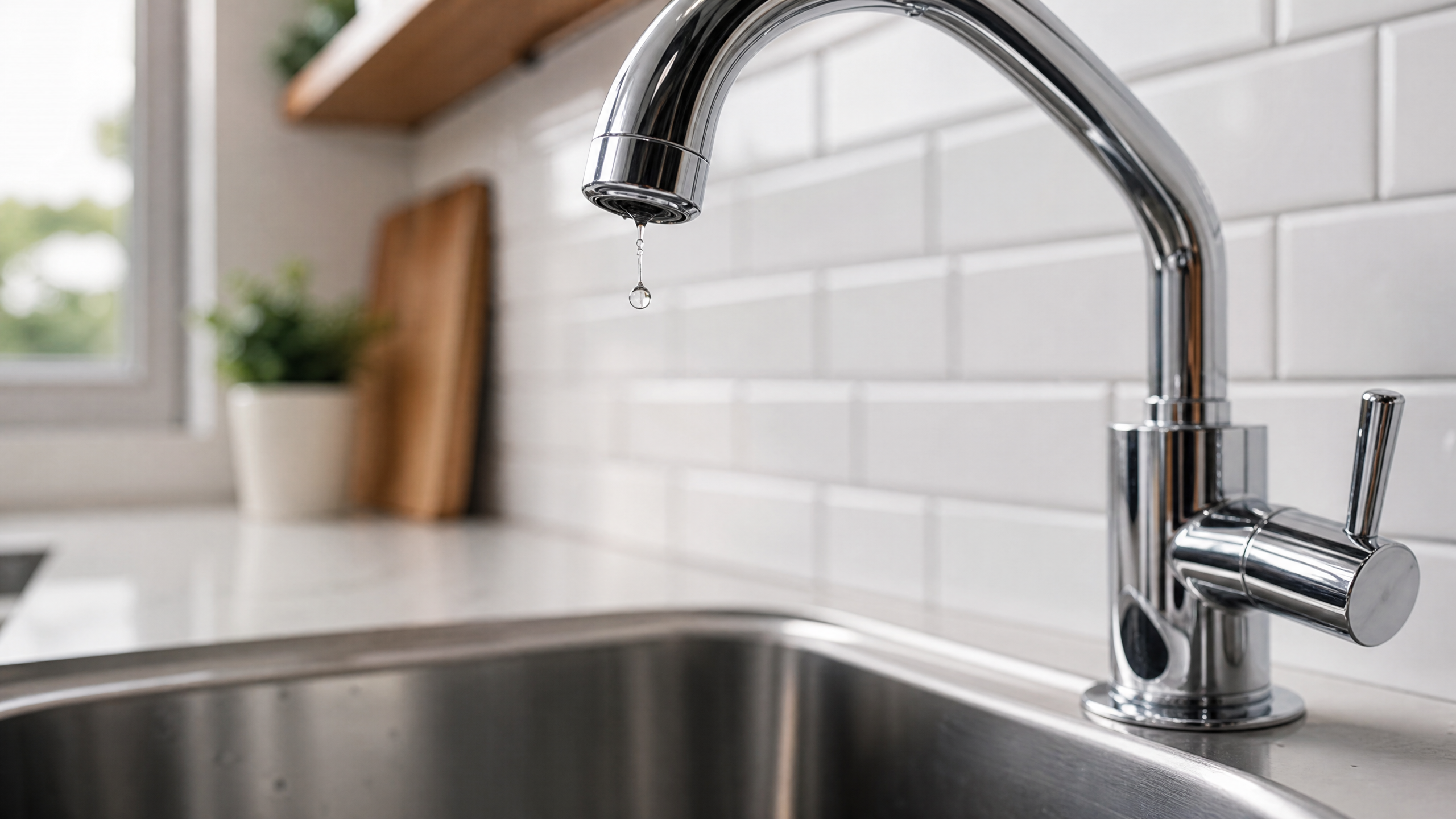
Is a leaky faucet driving you crazy? It's not just the constant "drip, drip, drip" that's annoying — it's the cost. A single dripping faucet can waste over 3,000 gallons of water per year, according to the U.S. Environmental Protection Agency (EPA). In a city like San Antonio, where water conservation is a top priority, that wasted water adds up quickly on your monthly SAWS bill.
San Antonio homeowners face unique plumbing challenges, primarily due to our notoriously hard water. The San Antonio Water System (SAWS) reports that a slow drip can waste as much as 170 gallons of water each day, or 5,000 gallons per month — and that's money straight down the drain. In this guide, we'll cover the most common faucet problems, how San Antonio's hard water accelerates wear and tear, and how to decide whether to repair or replace your fixtures.
Common Faucet Problems in San Antonio Homes
Most faucet issues stem from everyday wear and tear, but in South Texas, the local water quality accelerates the process significantly. Here are the most common problems homeowners encounter:
1. The Constant Drip
A dripping faucet is usually caused by a worn-out washer, O-ring, or a faulty cartridge. Depending on the type of faucet you have — compression, cartridge, ceramic disk, or ball valve — these internal components degrade over time. If your faucet continues to drip after you've turned the handle off tightly, the internal seal has likely failed and needs to be replaced.
2. Low Water Pressure and Uneven Spray
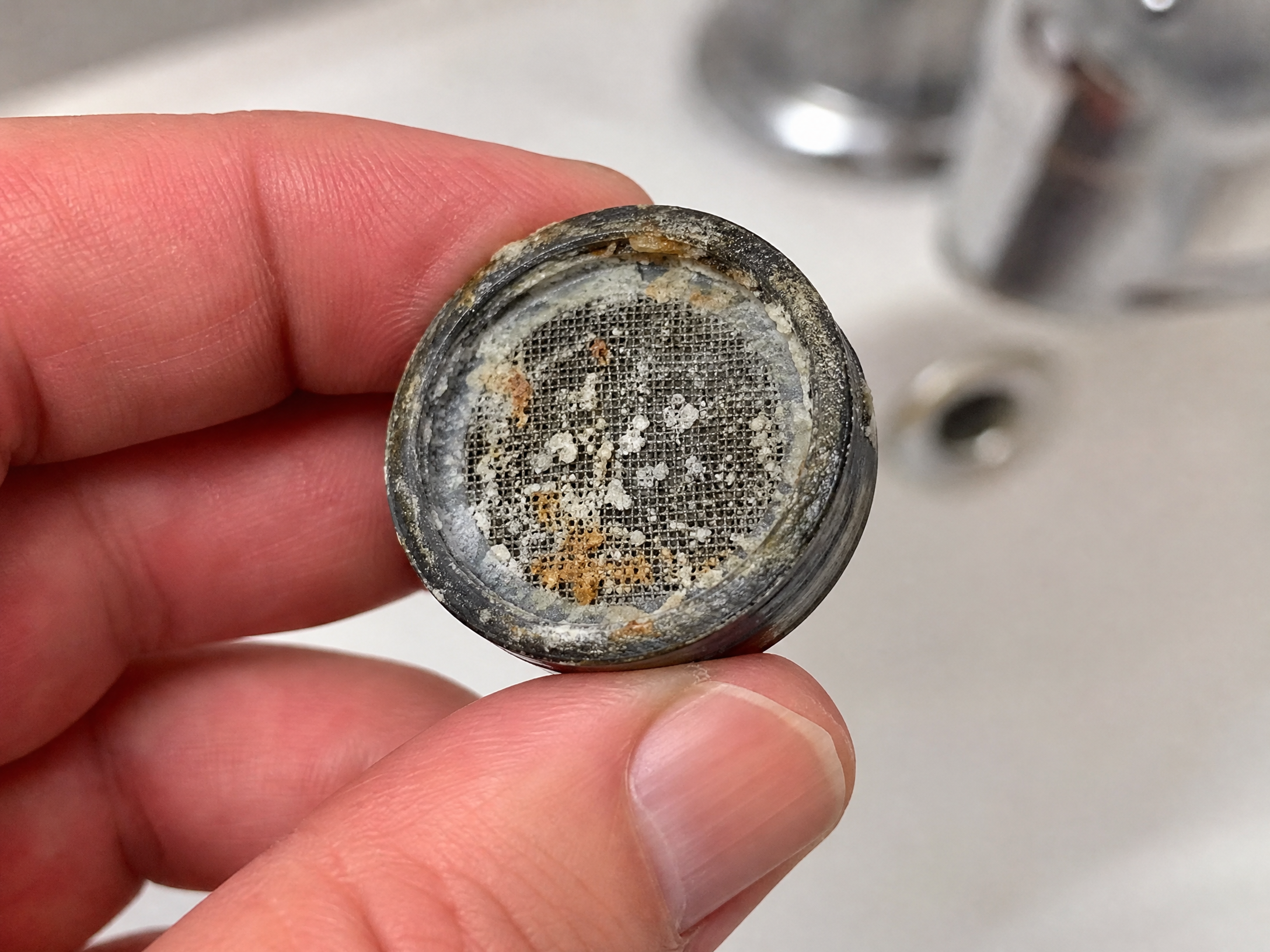
If your kitchen or bathroom sink suddenly has low water pressure or water sprays in random directions, the culprit is almost always a clogged aerator. The aerator is the small screen at the tip of the faucet spout. In San Antonio, calcium and magnesium deposits from our hard water quickly clog these tiny screens, restricting flow. If you are experiencing low pressure throughout your entire home — not just at one faucet — it may be a larger issue. Learn more in our guide on Why Your San Antonio Home Has Low Water Pressure.
3. Leaking from the Base or Handle
If water pools around the base of the faucet when you turn it on, the O-ring seal underneath the spout has likely dried out or cracked. This type of leak can cause significant water damage to your countertops and the cabinetry underneath if left unaddressed. Similarly, leaking around the handle usually points to a worn packing nut or cartridge that needs to be replaced.
4. Squeaking or Stiff Handles
If your faucet handle squeaks or is difficult to turn, mineral buildup is likely the cause. Hard water deposits can coat the internal stem threads, creating friction that makes the handle stiff. In severe cases, the stem can seize up entirely, making the faucet very difficult to operate. Regular cleaning and lubrication can help, but a severely corroded stem will need to be replaced.
How San Antonio's Hard Water Damages Your Faucets
San Antonio's water is among the hardest in the nation. SAWS reports that the water it provides typically ranges from 15 to 20 grains per gallon of hardness — well above the 7 grains per gallon threshold that is considered "hard." This high concentration of dissolved calcium and magnesium leaves behind white, chalky deposits known as scale or limescale.
This scale doesn't just look bad on the outside of your fixtures — it wreaks havoc on the inside. Mineral buildup creates friction against moving parts, such as rubber washers and plastic cartridges, causing them to wear out much faster than they would in areas with soft water. It can also cause metal components to corrode and seize up, making repairs difficult or impossible without professional tools.
If you're tired of constantly battling scale buildup on all your fixtures and appliances, a whole-home solution may be the answer. Read our comprehensive guide on Water Softeners for San Antonio Homes to learn how treating your water at the source can extend the life of every plumbing fixture in your home.
Is hard water shortening the life of your plumbing fixtures? Bluebonnet Plumbing can assess your home's water quality and recommend the right solution. Contact us or call (210) 934-5468 to schedule a consultation.
Repair vs. Replace: Making the Right Choice
When faced with a faulty faucet, homeowners often wonder whether they should pay for a repair or invest in a new fixture entirely. The right answer depends on the age of the faucet, the severity of the damage, and your long-term goals for the space. Here are some clear guidelines to help you decide:
When to Repair Your Faucet
Minor issues are usually worth fixing, especially if the faucet is relatively new (under 5 years old) or is a high-end, expensive model. Repair is the right call when:
- The issue is a simple drip caused by a worn washer or cartridge — a straightforward fix for a licensed plumber.
- The aerator is clogged with minerals and just needs cleaning or an inexpensive replacement screen.
- The faucet is a custom, vintage, or designer piece that matches your home's decor and would be costly to replace.
- The faucet is under warranty, and the manufacturer will supply replacement parts.
When to Replace Your Faucet
Quality kitchen faucets typically last between 10 and 15 years, though San Antonio's hard water can shorten this lifespan considerably. Replacement is the smarter investment when:
- It requires frequent repairs: If you are constantly fixing the same faucet, the internal body is too worn to hold a seal reliably.
- There is severe corrosion: If the metal is pitted, threads are rusted together, or the finish is flaking, a repair is no longer viable.
- You want better water efficiency: Modern faucets with the WaterSense label use significantly less water. SAWS recommends installing faucet aerators and upgrading to water-efficient fixtures to maximize conservation and lower your monthly bill.
- You are remodeling: If you're updating your kitchen or bathroom, replacing the faucet is a budget-friendly way to refresh the look while also improving functionality.
DIY Faucet Maintenance Tips for San Antonio Homeowners
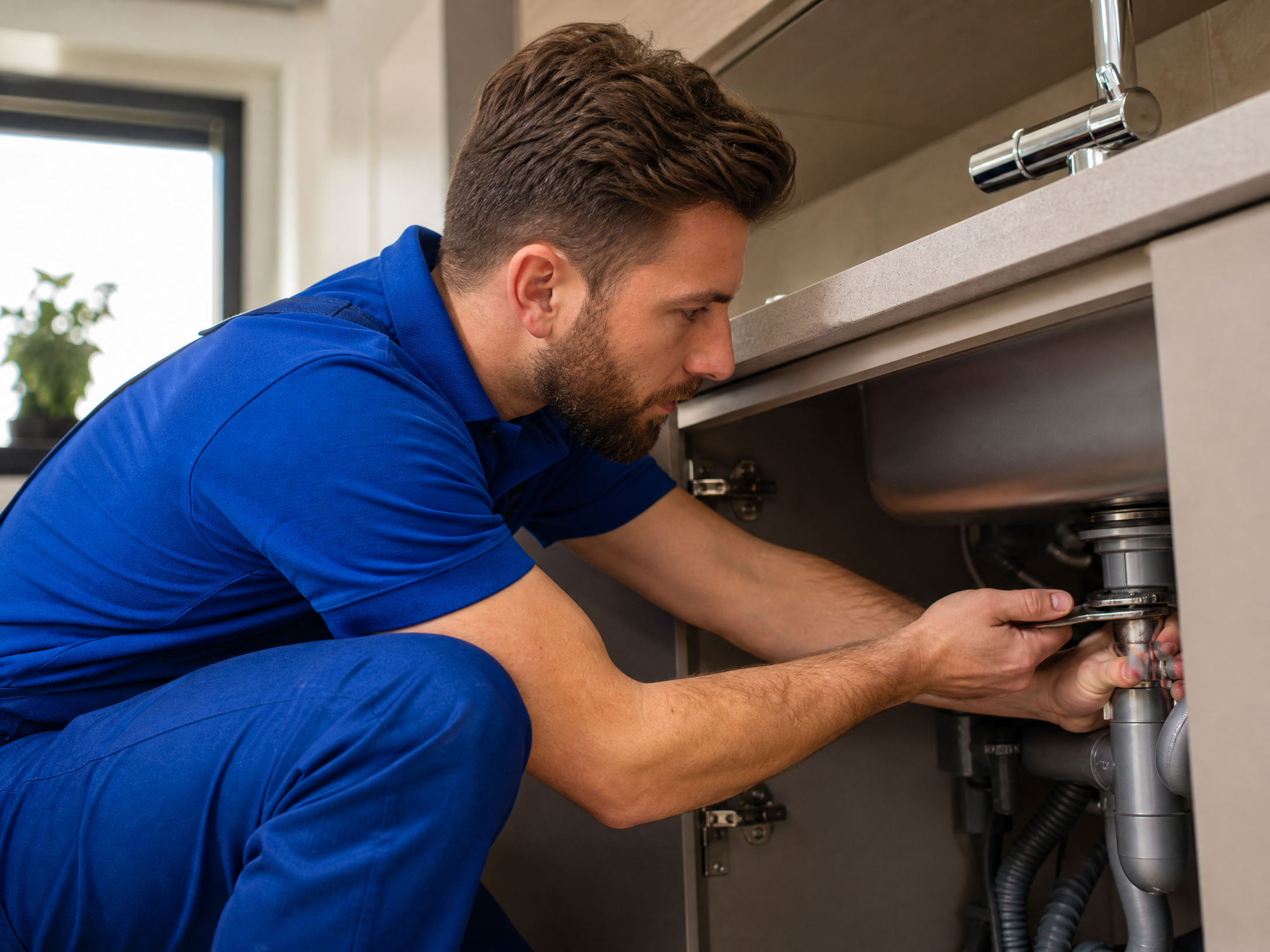
While some faucet repairs require a licensed plumber, there are a few maintenance tasks you can do yourself to extend the life of your fixtures and prevent costly problems down the road.
Clean Your Aerator Regularly
Given San Antonio's hard water, plan to clean your faucet aerators every 3 to 6 months. Unscrew the aerator from the tip of the faucet (you may need pliers wrapped in a cloth to avoid scratching the finish). Disassemble the small screen and washer, then soak all the pieces in white vinegar for at least an hour to dissolve the calcium deposits. Use an old toothbrush to gently scrub away any remaining debris, rinse thoroughly, and reinstall.
Check Under the Sink Periodically
Make it a habit to open the cabinet under your kitchen and bathroom sinks every few months and look for signs of moisture. Small drips from supply line connections or the faucet body can go unnoticed for months, causing wood rot and mold growth inside the cabinet. Catching a minor drip early can prevent a much more expensive repair. This is also a good time to check your garbage disposal connections — learn more in our guide on Garbage Disposal Repair vs. Replacement.
Don't Overtighten Handles
Many homeowners try to stop a dripping faucet by cranking the handle as tightly as possible. This is counterproductive — it actually accelerates wear on the internal washers and seats, making the drip worse over time. If your faucet is dripping, the right solution is to replace the worn internal component, not to apply more force to the handle.
When to Call a Professional Plumber for Faucet Repair
While cleaning an aerator is a simple DIY task, many faucet repairs are best left to a licensed professional. You should call a plumber when:
- The faucet continues to drip after you've replaced the cartridge or washer yourself.
- You need to shut off the water supply, and the shut-off valves under the sink are corroded or won't turn.
- There is water damage visible inside the cabinet, suggesting a slow leak that has been ongoing.
- You want to upgrade to a new faucet and need the supply lines and connections properly installed.
- The leak is coming from the wall or from connections behind the faucet body.
Attempting complex faucet repairs without the right tools and experience can lead to stripped threads, broken supply lines, and water damage that costs far more to fix than a professional service call. The team at Bluebonnet Plumbing has the expertise to diagnose and fix any faucet issue quickly and correctly.
Stop the drip and start saving water today. Bluebonnet Plumbing serves San Antonio homeowners Monday through Friday during business hours. Contact us online or call (210) 934-5468 to schedule your faucet repair or installation appointment.
Frequently Asked Questions About Faucet Repair in San Antonio
How much water does a dripping faucet waste?
According to the EPA's WaterSense program, a faucet that drips at a rate of one drip per second can waste over 3,000 gallons of water per year. SAWS notes that a slow drip can waste as much as 170 gallons per day. Fixing minor leaks is one of the easiest ways to conserve water and reduce your monthly bill.
How do I clean hard water buildup off my faucet aerator?
Unscrew the aerator from the tip of the faucet spout. Soak all the small pieces in undiluted white vinegar for at least one hour to dissolve the calcium and magnesium deposits. Use an old toothbrush to gently scrub away any remaining debris, rinse thoroughly under running water, and reinstall. In San Antonio, plan to do this every 3 to 6 months due to our hard water.
How long should a kitchen faucet last?
A quality kitchen faucet typically lasts between 10 and 15 years. However, in San Antonio, the high mineral content of our water can shorten this lifespan if the water is not treated with a softener. Regular maintenance, including aerator cleaning and prompt repair of drips, can help maximize the life of your fixtures.
Is it worth repairing a leaky faucet or should I just replace it?
For newer faucets (under 5 years old), a repair is almost always worth it. For faucets over 10 to 15 years old, especially if they have been repaired before, replacement is usually the more cost-effective long-term choice. Modern WaterSense-labeled faucets also use less water, so the upgrade can pay for itself over time through lower water bills.
Does Bluebonnet Plumbing offer faucet installation and repair in San Antonio?
Yes! Bluebonnet Plumbing provides professional faucet repair, cartridge replacement, aerator cleaning, and full faucet installation services throughout the San Antonio area. We serve homeowners Monday through Friday during business hours. Contact us or call (210) 934-5468 to schedule a service appointment.