
Discovering water pooling around the base of your water heater can instantly cause panic for any homeowner. In San Antonio, where our notorious hard water minerals and thermal expansion cycles put immense stress on residential plumbing systems, a leaking water heater is an issue that demands immediate attention. According to the U.S. Department of Energy (DOE), storage water heaters typically have a useful service life of 8 to 12 years [1]. When a tank reaches this age or suffers from accelerated mineral corrosion, leaks frequently develop. Understanding whether a leak stems from a simple replaceable fitting or signals total tank failure can protect your home from thousands of dollars in water damage.
The Role of San Antonio Hard Water in Water Heater Leaks
San Antonio groundwater is heavily mineralized, containing high concentrations of calcium and magnesium carbonates. As incoming water is heated inside the tank, these minerals precipitate out of solution and settle at the bottom as sediment. This sediment layer acts as a thermal barrier between the burner or lower heating element and the water, causing the steel tank bottom to overheat and become brittle. Over time, this localized overheating causes micro-fractures, seam stress, and premature tank corrosion. Homeowners looking to protect their plumbing infrastructure often invest in comprehensive softening solutions, as detailed in our guide on Water Softener San Antonio: The Complete Guide to Solving Hard Water Problems in Your Home [2].
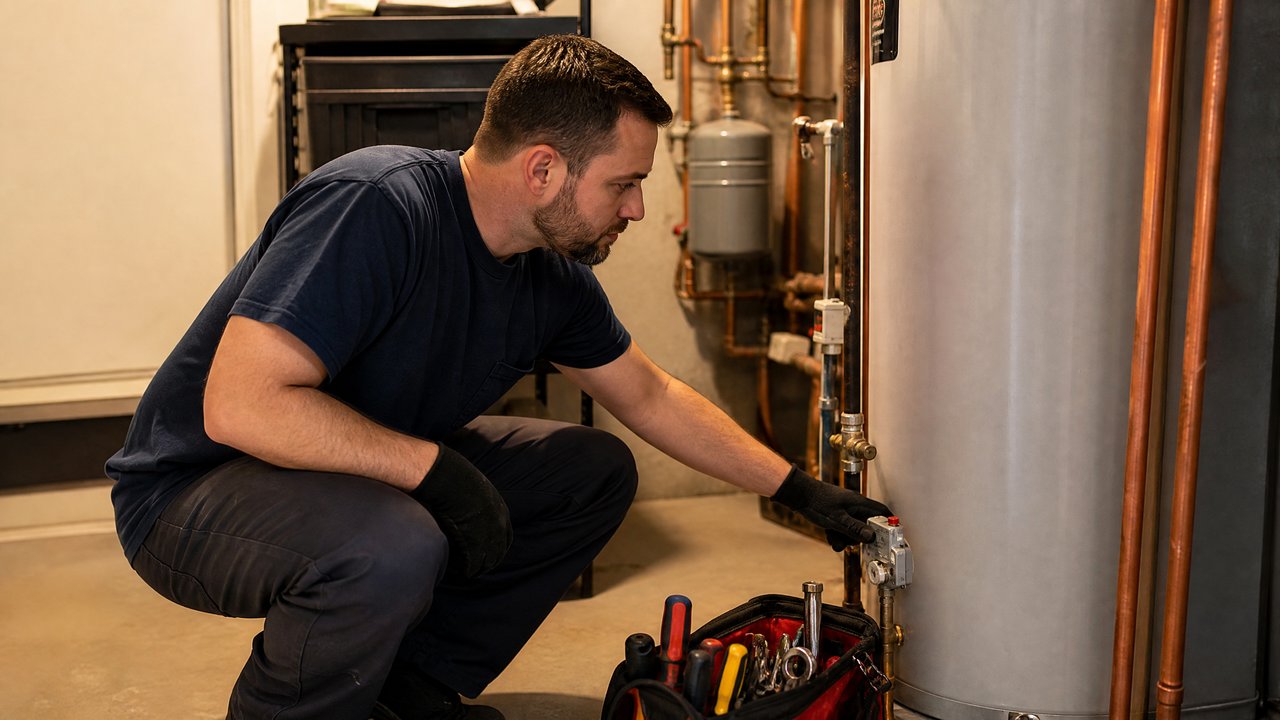
Common Causes of Water Heater Leaks: Repairable vs. Fatal
Not every puddle around your water heater means you need a brand-new system. Pinpointing the exact source of the moisture is critical for determining the correct repair path.
- Temperature and Pressure (T&P) Relief Valve Leaks: If the valve is dripping from its discharge pipe, it may be responding to excessive tank pressure or thermal expansion. If your home has a closed plumbing system without a functioning thermal expansion tank, water pressure spikes during heating cycles, forcing the T&P valve to open.
- Loose Inlet/Outlet Connections or Pipe Fittings: Water leaking from the top of the tank is frequently caused by loose dielectric unions, corroded nipples, or pipe fitting failures rather than a compromised storage vessel.
- Anode Rod Degradation: The sacrificial anode rod is designed to corrode in place of the steel tank lining. Once the anode rod is fully depleted, corrosive elements attack the bare tank walls, resulting in eventual wall perforation and irreversible leaking [3].
- Tank Corrosion and Bottom Leaks: Water seeping directly from the bottom seam or outer jacket of the storage tank indicates catastrophic tank failure. Internal glass-lining failure cannot be patched; the unit must be replaced.
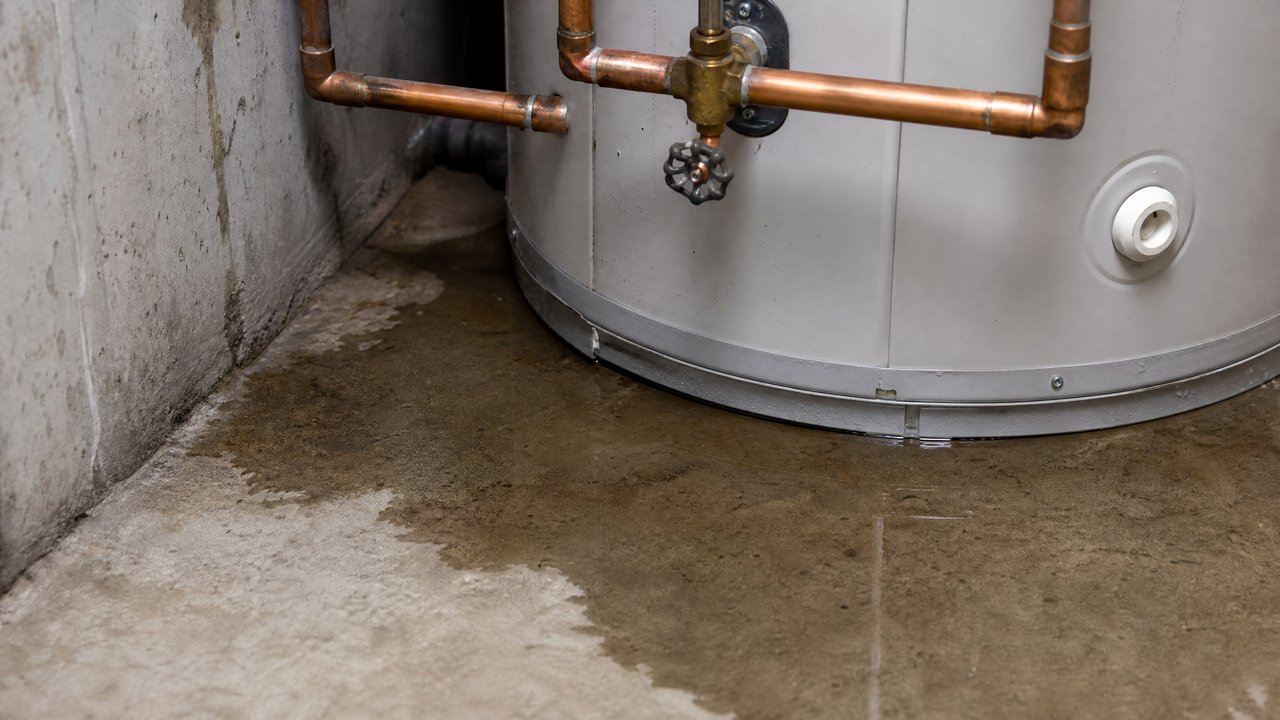
Water Heater Maintenance and Upgrading Options
Proactive maintenance can significantly extend the lifespan of your residential water heater and prevent sudden leaks. Regularly flushing accumulated sediment from the tank is one of the most effective preventive measures a homeowner can take, as outlined in our expert walkthrough on Why You Need to Flush Your San Antonio Water Heater (And How to Do It). Furthermore, when an aging tank reaches the end of its lifespan, homeowners frequently evaluate modern efficiency options. For a detailed comparison of modern storage units versus continuous-flow models, review our resource on Tankless vs. Traditional: Choosing the Best Water Heater for Your San Antonio Home [4].
Clear Signs Your Water Heater Needs Replacement
Waiting until a storage tank bursts can cause catastrophic property damage. Watch for these definitive indicators that your water heater is nearing the end of its viable service life:
- Age Exceeding 10 Years: Check the serial number on the manufacturer sticker to determine the exact manufacturing date. Units over a decade old operate on borrowed time.
- Rusty Discolored Hot Water: If brown or reddish water emerges exclusively from your hot water taps while cold water runs clear, the interior tank lining is actively corroding.
- Unusual Rumbling or Popping Noises: Heavy sediment calcification at the bottom of the tank boils and rumbles during heating cycles, stressing the steel vessel.
- Persistent Moisture or Seepage: Continuous dampness around the base or damp insulation points to micro-cracks in the steel tank body.
Call Bluebonnet Plumbing for Expert Inspection and Service
Dealing with a leaking water heater or deciding whether to repair or replace requires professional expertise and adherence to local municipal plumbing codes. At Bluebonnet Plumbing, our licensed plumbing professionals provide thorough evaluations, expert repairs, and safe replacements during regular business hours. Do not let a minor leak escalate into major property damage—contact our team today.
Ready to inspect or replace your water heater? Contact Bluebonnet Plumbing online or call us directly at (210) 934-5468 during business hours to schedule your appointment.
Frequently Asked Questions
Why is water pooling at the bottom of my water heater?
Water pooling at the bottom can be caused by a loose pipe fitting, a leaking T&P relief valve, or a rusted-through tank wall. If the water originates from the tank body itself, the unit must be replaced.
Can a leaking water heater tank be repaired with patches or sealant?
No. Once the steel tank wall or internal glass lining has rusted through or cracked, external patches or sealants cannot withstand household water pressure and thermal expansion. Tank leaks require complete system replacement.
How long do residential water heaters typically last in San Antonio?
Due to San Antonio’s high mineral content (hard water), traditional storage water heaters typically last between 8 and 10 years, compared to the national average of 8 to 12 years, unless regularly flushed and maintained with active anode rod replacements.
Is a dripping T&P relief valve an emergency?
A dripping T&P valve indicates either excessive water temperature, excessive pressure, or a faulty valve. While it should be serviced promptly by a licensed professional during business hours, ensure you know your home’s main water shut-off valve location to stop flow if necessary.
References
- U.S. Department of Energy (DOE). “Residential Water Heaters Efficiency and Lifespan Standards.” https://www.energy.gov/eere/buildings/residential-water-heaters
- San Antonio Water System (SAWS). “Water Conservation, Infrastructure, and Leak Detection Guidelines.” https://www.saws.org/
- U.S. Environmental Protection Agency (EPA). “WaterSense Fix a Leak Guidance and Resource Center.” https://www.epa.gov/watersense/fix-leak-week
- Texas Commission on Environmental Quality (TCEQ). “Plumbing Safety, Backflow Prevention, and Water Quality Standards.” https://www.tceq.texas.gov/