
Maintaining the safety and purity of your home's drinking water is one of the most critical responsibilities for property owners across Bexar County and the greater San Antonio metropolitan area. While most residents rarely think about what happens behind their walls or underground, municipal water distribution systems rely on robust safeguards to keep potable water separate from potential contaminants. According to the San Antonio Water System (SAWS) and city plumbing regulations, backflow prevention assemblies serve as the frontline defense against hazardous cross-connections [1].
Whether you operate an automatic lawn irrigation system, maintain a private pool, or own a commercial property connected to the municipal grid, understanding backflow prevention and mandatory annual testing is essential. Without properly functioning backflow assemblies, pressure drops in the municipal water main can reverse water flow, pulling fertilizers, pesticides, and stagnant water back into your household taps and the city water supply [2]. At Bluebonnet Plumbing, our licensed professionals help local homeowners navigate compliance, testing, and maintenance safely and effectively during regular business hours.
For related guidance on maintaining optimal water conditions throughout your household, explore our detailed resource on understanding San Antonio water quality and filtration.
Understanding Backflow: Back-Siphonage and Back-Pressure
Backflow occurs when water or other contaminants flow backward from a private plumbing system into the public potable water distribution network. This phenomenon is typically triggered by one of two hydraulic conditions: back-siphonage or back-pressure [3].
Back-Siphonage happens when a negative pressure or partial vacuum develops in the municipal water supply piping. This can occur due to a water main break, heavy firefighting demand in the neighborhood, or scheduled system maintenance by SAWS. When supply pressure drops significantly, untreated water from irrigation systems, elevated storage tanks, or hose connections can be siphoned backward into clean water lines.
Back-pressure occurs when pressure within a private plumbing system exceeds the pressure in the public water main. This often happens in properties equipped with booster pumps, closed-loop heating systems, or chemical feed systems. If private pressure exceeds municipal supply pressure, contaminants can be forced directly into the potable water network, posing serious health risks to your household and neighbors.
City of San Antonio and SAWS Compliance Mandates
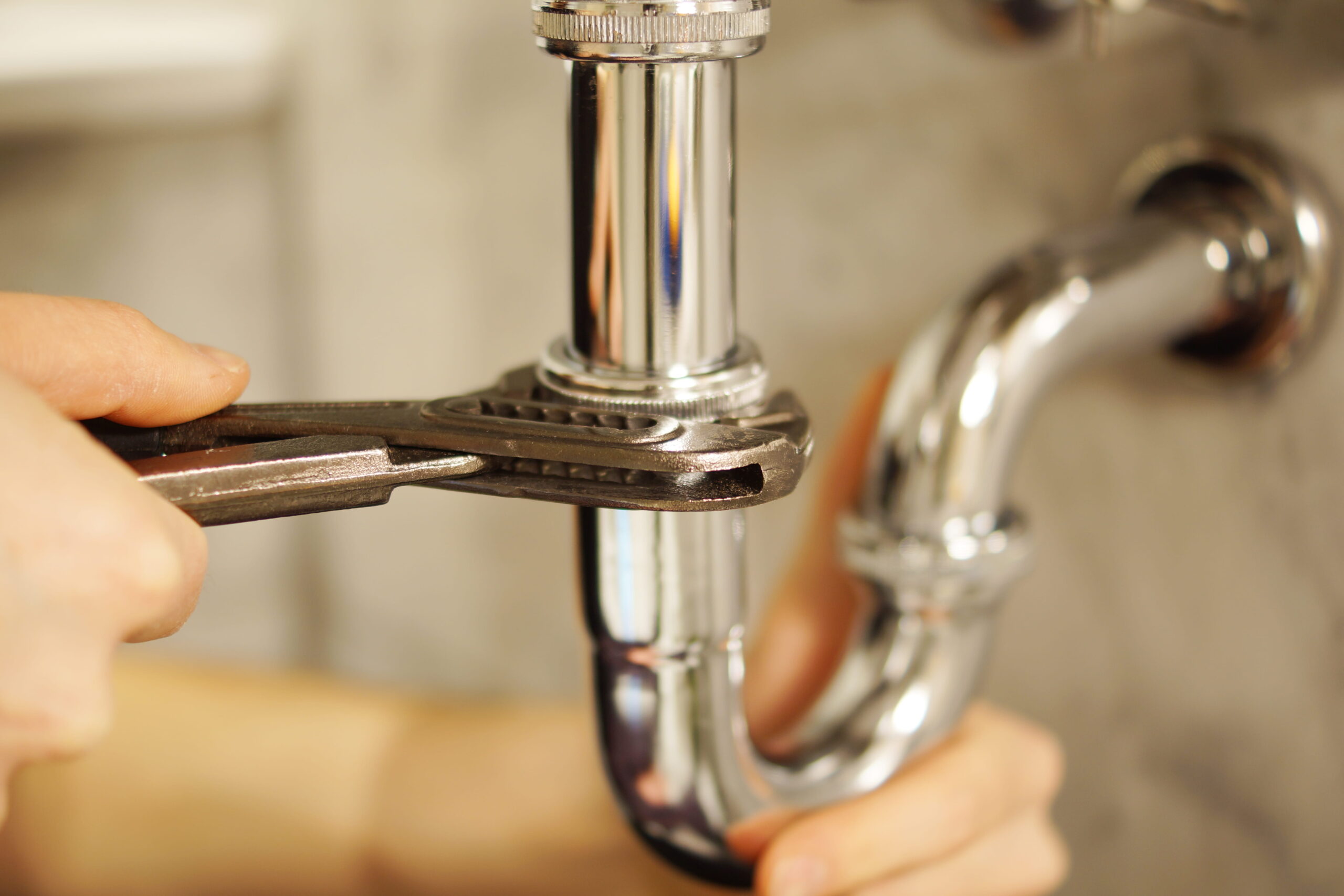
The City of San Antonio and SAWS enforce strict cross-connection control regulations under Chapter 24 of the local Plumbing and Fuel Gas Code, aligning closely with state mandates established by the Texas Commission on Environmental Quality (TCEQ) [1], [4]. Under these regulations, any cross-connection that presents a potential health hazard—most notably automatic lawn irrigation systems, dedicated fire suppression lines, and commercial water connections—must be equipped with an approved backflow prevention assembly [5].
Crucially, San Antonio regulations stipulate that backflow prevention assemblies must be tested and certified upon initial installation, after any major repair, and at least once every twelve months thereafter [6]. Property owners receive annual notification letters or compliance reminders, but the regulatory obligation applies regardless of whether a notice arrives in your mailbox [6]. Failing to maintain certified annual test records can lead to water service discontinuation by the utility.
If you have noticed unusual fluctuations or drops in household water pressure while operating your irrigation system, read our guide on why your San Antonio home has low water pressure and how to fix it.
Types of Backflow Prevention Assemblies
Different plumbing applications require specific types of mechanical backflow preventers based on the degree of hazard involved. Selecting and maintaining the correct assembly is vital for reliable protection:
- Reduced Pressure Principle (RPZ) Assemblies: Offering the highest level of protection, RPZ assemblies feature two independently operating spring-loaded check valves separated by an automatic hydraulic relief valve. They are deployed on high-hazard cross-connections where toxic substances or fertilizers could potentially enter the water supply.
- Double Check Valve (DCVA) Assemblies: Comprising two spring-loaded check valves operating in series, DCVA assemblies are typically used for lower-hazard applications such as landscape irrigation systems where health hazards are minimal.
- Pressure Vacuum Breakers (PVB): Designed specifically for protection against back-siphonage on irrigation lines without back-pressure hazards, PVBs must be installed at least 12 inches above all downstream piping.
The Annual Testing Process: Certified Professionals
Backflow prevention assemblies contain precision internal seals, springs, and check valves that degrade over time due to mineral deposits, hard water scaling common in San Antonio, and normal mechanical wear. Because these devices protect public health, Texas law mandates that only individuals holding a valid Backflow Prevention Assembly Tester (BPAT) license issued by the TCEQ are legally permitted to test, inspect, or repair these assemblies [4].
During a professional test, a certified technician connects calibrated differential pressure gauges to test cocks on the assembly. By measuring holding pressures across the check valves and the differential relief valve, the technician verifies whether the device operates within strict engineering tolerances. If an assembly fails, immediate professional repair or internal component replacement is required, followed by a re-test.
Compliance Tracking and BSI Online Reporting
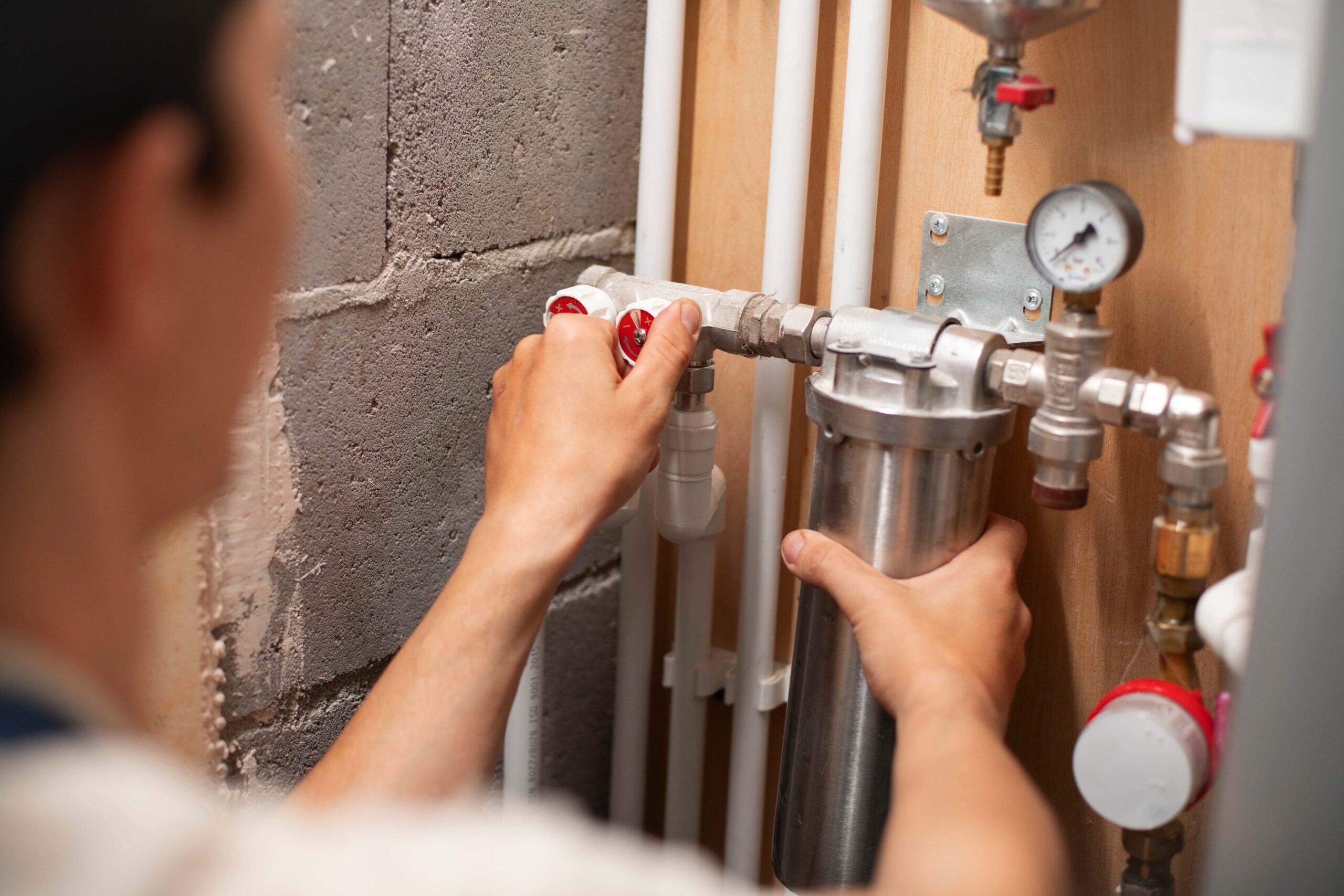
To streamline tracking across the sprawling San Antonio utility network, SAWS partners with Backflow Solutions, Inc. (BSI Online) to manage backflow test reports and compliance data digitally [7]. When your certified tester completes the annual inspection, the official test report is submitted directly through the BSI Online portal [7].
Homeowners should ensure their chosen plumbing partner is registered with BSI Online to file reports instantly, preventing compliance lapses and avoiding utility late fees or water shut-off notices. For comprehensive seasonal plumbing checks, review our spring plumbing maintenance guide for San Antonio homeowners.
Schedule Professional Backflow Testing Today
Protecting your family's drinking water and maintaining compliance with SAWS regulations requires expert care from certified professionals. Never attempt to service or adjust backflow preventer assemblies yourself, as improper handling can compromise drinking water safety or damage delicate internal components. Contact Bluebonnet Plumbing during regular business hours to schedule your certified annual backflow testing and professional irrigation system maintenance.
Ready to Ensure Your Water System Is Compliant?
Don't wait for a SAWS compliance notice. Trust Bluebonnet Plumbing's licensed experts for reliable, professional backflow testing and plumbing services in San Antonio.
Frequently Asked Questions
1. Is annual backflow testing legally required for residential homes in San Antonio?
Yes. Under City of San Antonio plumbing ordinances and SAWS policies, any property equipped with a cross-connection hazard—such as an automated lawn irrigation system or dedicated fire line—must have its backflow prevention assembly tested and certified at least once every 12 months [1], [6].
2. Can I test or repair my own home backflow prevention assembly?
No. State regulations enforced by the TCEQ mandate that only individuals holding an active Backflow Prevention Assembly Tester (BPAT) license may legally test, adjust, or repair backflow prevention assemblies [4]. DIY servicing risks contaminating public water supplies and violates municipal plumbing codes.
3. What happens if my backflow preventer fails the annual test?
If an assembly fails inspection, the certified tester will identify the worn internal component (such as a check valve seal or spring). Professional repair or replacement must be performed promptly, followed immediately by a re-test to ensure the assembly passes before submitting the official report to BSI Online [7].
4. How do test reports get submitted to SAWS?
San Antonio Water System utilizes BSI Online as its digital tracking platform. Certified backflow testers submit completed test reports directly through the BSI Online portal on behalf of the property owner to maintain active compliance records [7].
References
- San Antonio Water System (SAWS), "Cross-Connection Control and Backflow Prevention Program Overview," City of San Antonio Plumbing and Fuel Gas Code Chapter 24. Available online.
- United States Environmental Protection Agency (EPA), "Cross-Connection Control Manual," Office of Water, EPA 816-R-03-002.
- American Water Works Association (AWWA), "Recommended Practice for Backflow Prevention and Cross-Connection Control," M14 Manual.
- Texas Commission on Environmental Quality (TCEQ), "Occupational Licenses: Backflow Prevention Assembly Tester (BPAT)," 30 TAC Chapter 30.
- International Association of Plumbing and Mechanical Officials (IAPMO), "Uniform Plumbing Code (UPC) Chapter 6: Water Supply and Distribution."
- SAWS Backflow Prevention, "Annual Testing of Backflow Prevention Assemblies - Frequently Asked Questions."
- Backflow Solutions, Inc. (BSI Online), "San Antonio Water System Backflow Data Management and Compliance Portal."
Schedule Your Annual Backflow Testing with Bluebonnet Plumbing
Protect your home drinking water and ensure complete SAWS compliance with our licensed professional plumbing services. Call us during business hours to book your appointment.