
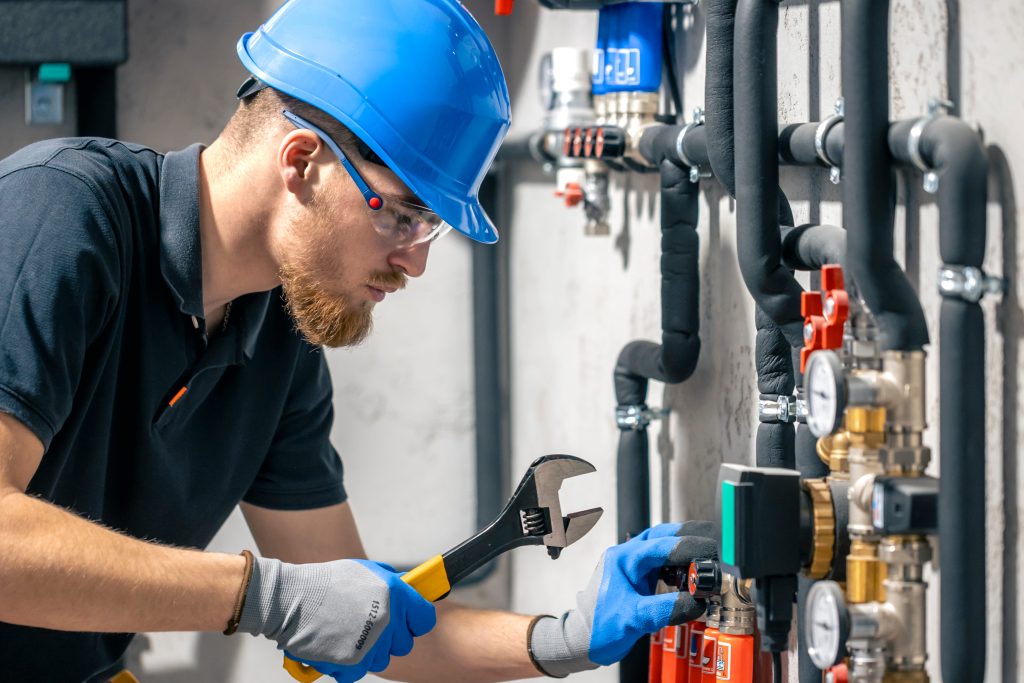
When it comes to home safety, few things are as critical as the integrity of your gas lines. Whether you're heating water, cooking meals, or warming your home during those rare San Antonio cold snaps, natural gas plays a vital role in daily life. But damaged, improperly installed, or aging gas lines pose serious risks—from gas leaks and carbon monoxide exposure to fire hazards and even explosions.
That's where professional gas line pressure testing comes in. This essential safety procedure verifies that your gas system is sealed, secure, and operating within safe parameters. For homeowners searching for reliable gas line repair in San Antonio, understanding why pressure testing matters—and why it should only be performed by licensed professionals—can make all the difference in protecting your family and property.
In this comprehensive guide, we'll explore everything San Antonio homeowners need to know about gas line safety, the science behind pressure testing, local regulations, and how to recognize when your gas system needs professional attention.
Need peace of mind about your gas lines? Schedule a professional gas line inspection in San Antonio today.
Understanding Gas Lines: The Invisible Infrastructure in Your Home
Natural gas is one of the most efficient and cost-effective energy sources available to San Antonio residents. According to the U.S. Energy Information Administration, natural gas serves more than 77 million residential customers nationwide, powering everything from water heaters and furnaces to stoves and clothes dryers.
Your home's gas line system is a network of pipes that transports natural gas from the main utility line (typically located at the street) to various appliances throughout your property. These lines can be made from several materials:
- Black steel pipe — Traditional and durable, commonly found in older San Antonio homes
- Corrugated stainless steel tubing (CSST) — Flexible, yellow-jacketed piping popular in newer construction
- Copper tubing — Less common but still present in some installations
- Polyethylene (PE) pipe — Used for underground outdoor gas lines
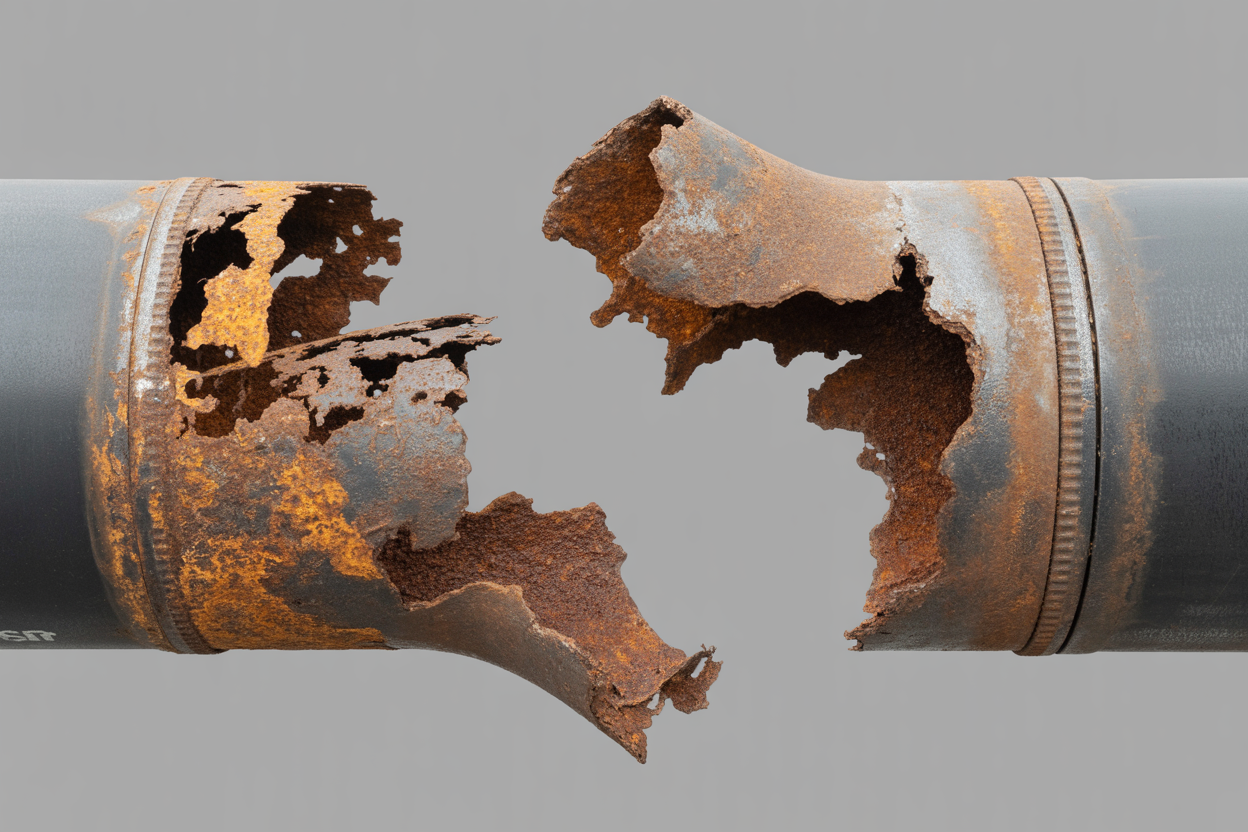
Each material has its strengths and vulnerabilities. Black steel can corrode over time, especially in areas with moisture exposure. CSST, while flexible and easy to install, can be damaged by electrical strikes or improper installation. Understanding your home's gas line composition is the first step in maintaining a safe system.
How San Antonio's Climate Affects Gas Lines
San Antonio's unique climate presents specific challenges for gas line systems. Our hot, humid summers combined with occasional temperature swings can accelerate corrosion in metal pipes. The area's expansive clay soils—known for significant expansion and contraction—can shift underground gas lines, potentially causing stress fractures or disconnections at joints.
Additionally, San Antonio's hard water and mineral-rich soil can contribute to external corrosion on buried gas lines. These local factors make regular inspections and pressure testing even more critical for area homeowners.
What Is Gas Line Pressure Testing?
Gas line pressure testing is a diagnostic procedure that verifies the integrity and safety of your natural gas system. During this test, a licensed professional isolates your gas line system, pressurizes it to a specific level (typically using air or nitrogen rather than actual gas), and monitors the pressure over a set period—usually 15 minutes to several hours, depending on the scope of the test.
If the pressure remains stable throughout the testing period, the system passes—indicating no significant leaks. If pressure drops, it signals a leak somewhere in the system that requires immediate attention and gas line repair in San Antonio.
Think your gas line may have a hidden leak? Book a professional pressure test with a licensed plumber
The Science Behind Pressure Testing
The principle is simple but effective: gas molecules are small and will escape through even microscopic gaps, cracks, or faulty connections. By pressurizing the system above normal operating pressure (typical residential gas systems operate at 7 inches of water column or about 0.25 PSI), technicians can detect leaks that might not be immediately apparent during regular use.
Professional-grade pressure testing equipment includes:
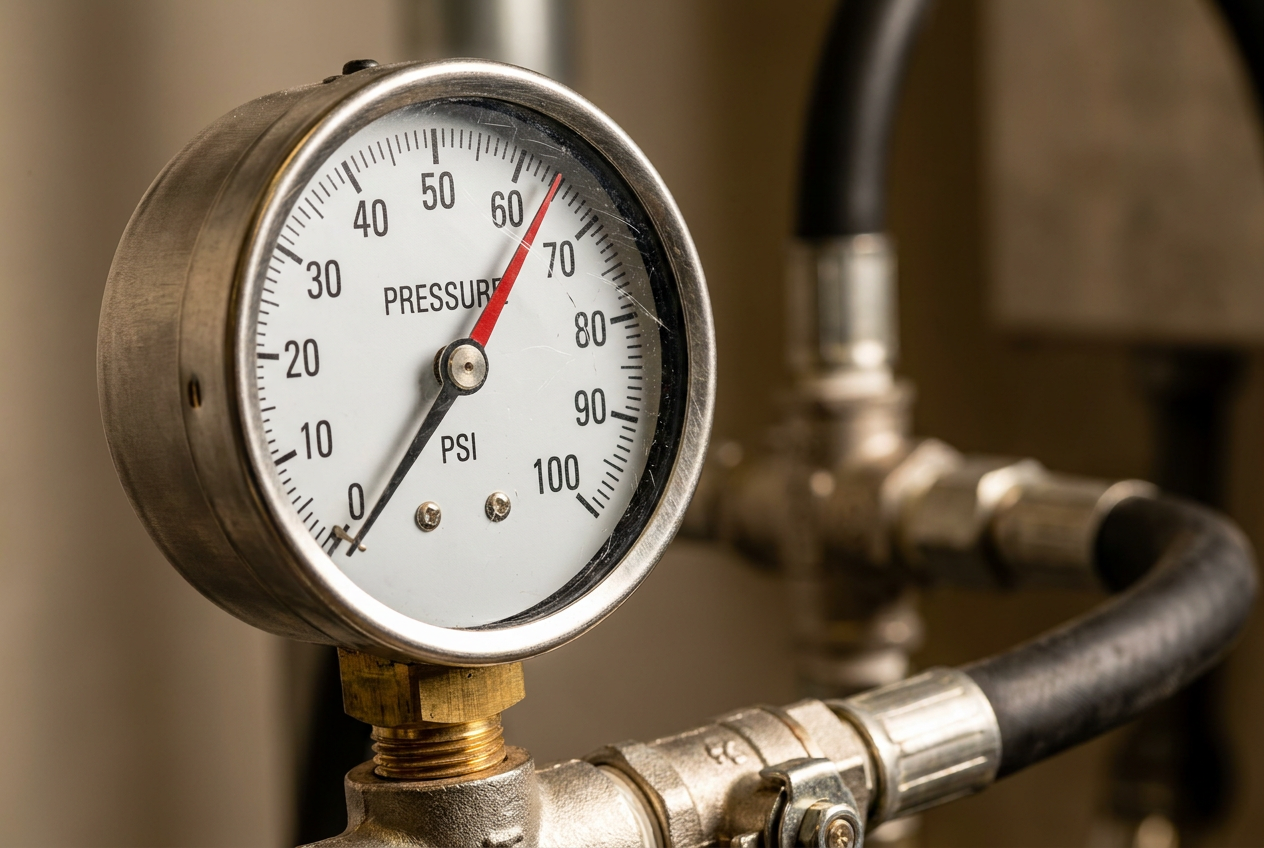
- Precision pressure gauges — Capable of detecting minute pressure changes
- Test pumps — To safely pressurize the system
- Isolation valves — To segment the system for targeted testing
- Electronic leak detectors — For pinpointing the exact location of leaks
- Documentation equipment — To record test results for compliance and safety records
Concerned about your gas line safety? Bluebonnet Plumbing provides professional gas line pressure testing and repair services throughout San Antonio. Our licensed technicians use state-of-the-art equipment to ensure your home's gas system meets all safety standards.
Contact Us today at +1 210-806-7285
Monday–Friday, 8 AM – 5 PM
Serving San Antonio from our El Monte Boulevard location
Why Professional Pressure Testing Is Non-Negotiable
In an era of DIY home improvement videos and online tutorials, some homeowners might be tempted to test their own gas lines. This is one area where professional expertise isn't just recommended—it's essential for several critical reasons.
1. Safety Risks of Amateur Testing
Natural gas is extremely flammable. Even a small leak combined with an ignition source (a pilot light, electrical spark, or static electricity) can cause fires or explosions. Improperly pressurizing a gas system can rupture weak points, creating dangerous situations. Professional plumbers have the training to identify potential hazards before they become emergencies.
2. Specialized Equipment and Calibration
Consumer-grade pressure gauges lack the precision needed to detect small but significant leaks. Professional equipment is regularly calibrated to ensure accuracy within fractions of a PSI. This precision can mean the difference between identifying a developing problem and missing a dangerous leak.
3. Code Compliance and Legal Requirements
San Antonio, like all Texas municipalities, follows strict building codes for gas line installation and testing. The International Fuel Gas Code (IFGC), as adopted by Texas, requires that gas line work be performed by licensed professionals. According to the Texas Commission on Environmental Quality, only licensed Master Plumbers or individuals working under their supervision can legally perform gas line pressure testing and repairs.
Attempting DIY gas line work can:
- Void your homeowner's insurance policy
- Create liability issues if something goes wrong
- Result in failed home inspections during property sales
- Lead to fines from local building authorities
- Put your family's safety at serious risk
4. Comprehensive System Knowledge
Experienced plumbers understand how different components interact. They know where stress points typically develop, which materials are vulnerable to specific types of failures, and how San Antonio's unique conditions affect gas line longevity. This expertise allows them to identify potential problems before they become dangerous.
When Does Your San Antonio Home Need Gas Line Pressure Testing?
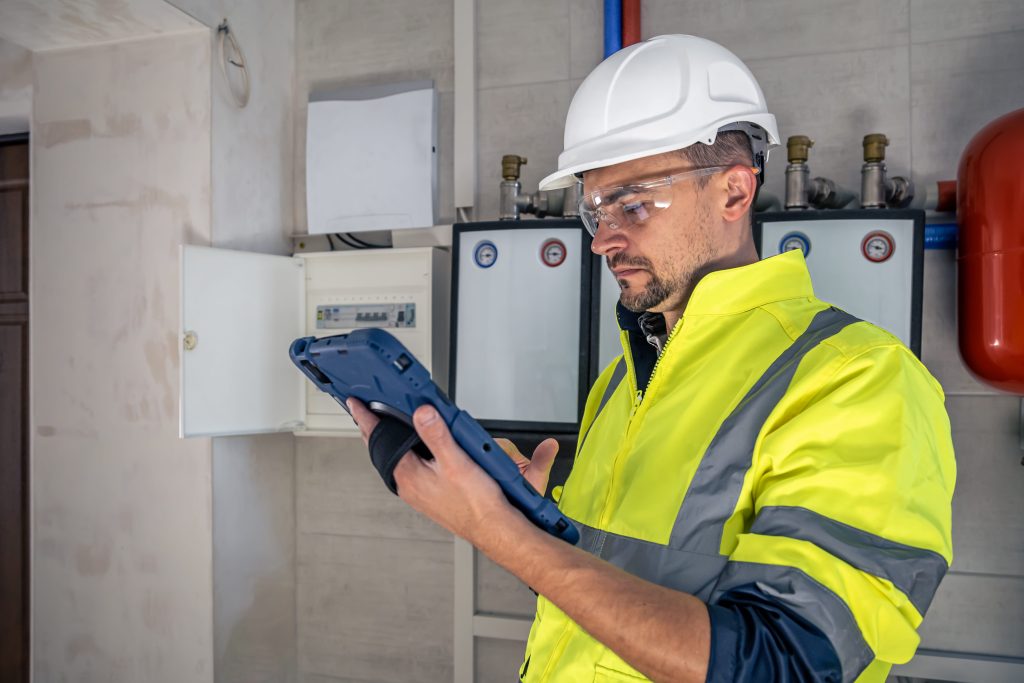
While routine pressure testing is smart preventive maintenance, certain situations make it essential. Here are the key scenarios when San Antonio homeowners should schedule professional gas line pressure testing:
After New Gas Line Installation or Extensions
Anytime new gas lines are installed—whether you're adding a gas range, installing a tankless water heater, or extending service to an outdoor kitchen—pressure testing verifies that all connections are properly sealed and the system is safe for operation. This is not optional; building codes require pressure testing before new gas line work can be approved.
Following Gas Line Repairs or Modifications
If you've had gas line repair in San Antonio performed on your property, pressure testing confirms the repair was successful and hasn't created new vulnerabilities elsewhere in the system. Even seemingly minor work like replacing a gas valve should be followed by testing to ensure system integrity.
During Home Purchases or Major Renovations
If you're buying a home in San Antonio, especially an older property in neighborhoods like Monte Vista, King William, or Alamo Heights, a professional gas line inspection and pressure test should be part of your home inspection. Similarly, major renovations that might affect gas lines—foundation work, room additions, or significant landscaping—warrant a safety check.
When You Notice Warning Signs
Never ignore these red flags that might indicate gas line problems:
- Sulfur or "rotten egg" smell — Gas companies add this distinctive odor (mercaptan) to naturally odorless natural gas as a safety measure
- Hissing or whistling sounds — Particularly near gas appliances, pipes, or meters
- Dead vegetation — Unexplained patches of dying plants above underground gas lines
- Bubbling water — In puddles near gas lines or at the ground surface
- Physical damage — Dented, bent, or corroded visible gas pipes
- Appliance issues — Yellow or orange flames instead of blue, frequent pilot light outages, or soot buildup
- Unexplained health symptoms — Headaches, dizziness, nausea, or fatigue that improve when you leave the house
If you experience any of these symptoms, immediately turn off the gas supply at the meter (if safe to do so), evacuate your home, and call both your gas utility company and a licensed plumber from a safe location.
Routine Preventive Maintenance
Even without obvious problems, periodic pressure testing is smart preventive care. For homes more than 20 years old, homes with older black steel piping, or properties with CSST systems, annual or bi-annual testing can catch developing problems before they become dangerous.
Don't wait for warning signs! Proactive gas line testing protects your San Antonio home and family. Bluebonnet Plumbing offers comprehensive gas line inspections and pressure testing services.
Schedule your safety inspection: +1 210-806-7285
Monday–Friday, 8 AM – 5 PM
The Professional Pressure Testing Process: What to Expect
Understanding what happens during a professional gas line pressure test can help San Antonio homeowners feel more confident about the process. Here's what you can typically expect when you schedule service with a reputable plumbing company:
Step 1: Initial Visual Inspection
Before testing begins, the technician conducts a thorough visual examination of all accessible gas lines, connections, and appliances. They're looking for obvious signs of damage, corrosion, improper installation, or code violations.
Step 2: System Preparation
The technician will shut off and disconnect gas appliances to isolate the piping system. This prevents damage to appliance components during the higher-pressure testing phase. Gas flow is stopped at the meter or main supply valve.
Step 3: Pressurization
Using specialized equipment, the technician pressurizes the gas line system—typically with compressed air or nitrogen rather than actual gas for safety reasons. The test pressure is usually set to 1.5 times the normal operating pressure, though this can vary based on the type of system and local code requirements.
Step 4: Monitoring Period
The pressurized system is monitored for a specific duration—typically 15 minutes to one hour for residential systems. Precision gauges track even minute pressure changes. A stable pressure reading indicates a leak-free system.
Step 5: Leak Detection (If Necessary)
If pressure drops during testing, the technician uses electronic leak detectors, soap solutions, or other specialized tools to pinpoint the exact location of leaks. This targeted approach allows for efficient repairs.
Step 6: Documentation and Recommendations
Professional plumbers provide detailed documentation of test results, including pressure readings, duration, and any issues discovered. If repairs are needed, you'll receive clear recommendations with explanations of the safety implications and repair options.
Step 7: System Restoration
After successful testing (or completion of necessary repairs and retesting), the technician safely restores gas service, reconnects appliances, and verifies proper operation of all gas-powered equipment.
Common Gas Line Issues Found During Pressure Testing in San Antonio
Over years of providing gas line repair in San Antonio, professional plumbers encounter recurring issues that pressure testing helps identify:
Corroded Fittings and Joints
The connection points where pipes join together are particularly vulnerable to corrosion, especially in San Antonio's humid climate. Threaded connections can develop microscopic gaps as corrosion progresses, leading to slow leaks.
CSST Damage
Flexible corrugated stainless steel tubing, while convenient, can be damaged during construction, renovations, or even by pests. Pressure testing often reveals punctures or compromised sections that aren't visually obvious.
Improper Installation
Unfortunately, not all gas line work is performed by qualified professionals. Pressure testing frequently uncovers improperly sized pipes, inadequate support, incorrect fittings, or other installation errors that create safety hazards.
Underground Line Failures
Buried gas lines face unique challenges. San Antonio's shifting clay soils can stress underground pipes, creating cracks at joints. Root intrusion from large trees common in established neighborhoods can also damage buried lines.
Age-Related Deterioration
In older San Antonio homes—particularly in historic neighborhoods—original gas lines may be approaching or exceeding their intended service life. Pressure testing helps identify when replacement rather than repair becomes the safer, more cost-effective option.
Gas Line Repair vs. Replacement: Making the Right Decision
When pressure testing reveals problems, homeowners face an important decision: repair the existing system or replace compromised sections entirely? Several factors influence this choice:
Extent of Damage
A single failed joint might be a straightforward repair, but multiple leak points, extensive corrosion, or widespread deterioration often make replacement the better long-term investment.
Age of the System
If your gas lines are more than 30 years old and showing signs of failure, replacement prevents the "domino effect" of repairs—fixing one problem only to have another appear shortly after.
Material Considerations
Older black steel systems might benefit from upgrading to modern materials that resist corrosion better and offer longer service life. Your plumber can explain the benefits of different materials for your specific situation.
Code Compliance
If existing gas lines don't meet current building codes, major repairs might trigger requirements to bring the entire system up to current standards. In these cases, planned replacement is often more efficient and cost-effective than piecemeal updates.
Future Plans
If you're planning to add gas appliances or make significant home improvements, coordinating gas line upgrades with these projects can save time and money while ensuring your system meets both current and future needs.
Need expert guidance on gas line repair or replacement? The experienced team at Bluebonnet Plumbing provides honest assessments and transparent recommendations tailored to your San Antonio home's specific needs.
Get professional advice: +1 210-806-7285
Monday–Friday, 8 AM – 5 PM
1917 El Monte Blvd, San Antonio, TX 78201
Choosing the Right Plumber for Gas Line Work in San Antonio
Not all plumbing companies are equally qualified to work on gas lines. When selecting a professional for gas line pressure testing or gas line repair in San Antonio, look for these essential qualifications:
Proper Licensing and Certification
Verify that the company employs licensed Master Plumbers. In Texas, gas line work requires specific certifications beyond general plumbing licenses. Don't hesitate to ask for license numbers and verify them with the Texas State Board of Plumbing Examiners.
Insurance and Bonding
Gas line work carries inherent risks. Ensure your plumber carries adequate liability insurance and workers' compensation coverage. This protects you from liability if accidents occur during service.
Local Experience
Plumbers familiar with San Antonio's specific conditions—our climate, soil composition, common construction methods in different neighborhoods, and local code requirements—can provide more effective service than out-of-area contractors.
Transparent Communication
Quality plumbers take time to explain what they find, why specific repairs or tests are necessary, and what your options are. They provide written estimates before beginning work and clearly communicate any changes or unexpected findings.
Established Reputation
Look for companies with established track records in the San Antonio community. Online reviews, Better Business Bureau ratings, and referrals from neighbors provide insight into a company's reliability and quality of work.
Appropriate Equipment
Professional gas line service requires specialized tools. Companies should have calibrated pressure testing equipment, electronic leak detectors, and the proper tools for various types of gas line materials.
Preventing Gas Line Problems: Homeowner Best Practices
While professional pressure testing and repairs are essential, San Antonio homeowners can take proactive steps to maintain gas line safety:
- Know your shutoff valve location — Every family member should know where the main gas shutoff is and how to operate it in an emergency
- Protect exposed lines — Don't hang items from gas pipes or use them as support for other materials
- Be cautious with renovations — Always have gas lines marked before digging or doing foundation work
- Monitor appliance performance — Changes in how gas appliances operate can indicate system problems
- Schedule regular inspections — Annual plumbing checkups should include visual gas line inspections
- Address water heater and appliance issues promptly — Problems with gas appliances sometimes originate in the supply lines
- Keep records — Maintain documentation of all gas line work, testing, and inspections
- Don't ignore odors — If you smell gas, act immediately—evacuate and call professionals
According to the U.S. Consumer Product Safety Commission, homeowner awareness and prompt professional attention to potential gas line issues prevent thousands of accidents annually.
The Cost of Safety: Understanding Gas Line Testing and Repair Investment
While specific pricing varies based on system complexity, extent of testing needed, and any repairs required, gas line safety services represent a critical investment in your home and family's well-being.
Factors that influence gas line service costs include:
- Size and complexity of your gas system
- Accessibility of gas lines (exposed vs. buried or enclosed)
- Type and extent of testing required
- Material and scope of any necessary repairs
- Compliance requirements and permit fees
When evaluating costs, consider the value of what you're protecting: your family's safety, your home's structural integrity, and your peace of mind. The cost of prevention through regular testing and prompt repairs is infinitely smaller than the potential costs of gas-related accidents, which can include property damage, medical expenses, and tragic loss.
Quality plumbers provide detailed written estimates before beginning work, explaining exactly what services you're receiving and why each component is necessary.
Why San Antonio Homeowners Trust Bluebonnet Plumbing
When it comes to critical safety services like gas line pressure testing and repair, San Antonio homeowners need a plumbing partner they can trust completely. Bluebonnet Plumbing has built our reputation on:
- Licensed expertise — Our Master Plumbers have the certifications and training required for safe, code-compliant gas line work
- Local knowledge — We understand San Antonio's unique challenges, from our climate's effects on plumbing systems to neighborhood-specific issues
- Professional equipment — We invest in state-of-the-art pressure testing and leak detection technology
- Transparent service — We explain what we find, why it matters, and what your options are—never pushing unnecessary services
- Comprehensive care — From routine water heater maintenance to complex gas line repairs, we're your complete plumbing resource
- Convenient location — Our El Monte Boulevard location allows us to serve San Antonio neighborhoods efficiently
- Reliable scheduling — We respect your time with punctual service during our business hours
Beyond gas line services, we specialize in water heater installation and repair, water softener systems (essential in San Antonio's hard water conditions), drain clearing, and all residential plumbing needs.
Experience the Bluebonnet Plumbing difference! Whether you need gas line pressure testing, repairs, or any residential plumbing service, our friendly team is ready to help.
Call +1 210-806-7285 today
Monday–Friday, 8 AM – 5 PM
1917 El Monte Blvd, San Antonio, TX 78201
Frequently Asked Questions About Gas Line Safety and Pressure Testing
How often should gas lines be pressure tested in San Antonio homes?
For most modern homes with properly installed gas systems, pressure testing is required after any new installation, modification, or repair work. For preventive maintenance, homes with gas systems over 20 years old should consider testing every 3-5 years, or more frequently if you notice any warning signs. Homes with older black steel piping or CSST systems may benefit from more frequent inspections. Your plumber can recommend a testing schedule based on your specific system's age, condition, and materials.
What's the difference between a gas leak detection and pressure testing?
Gas leak detection typically involves using electronic sensors or soap solutions to identify active leaks at specific locations—usually at connections, valves, or appliances. Pressure testing is a more comprehensive diagnostic procedure that evaluates the entire gas system by pressurizing it above normal operating levels and monitoring for any pressure loss over time. Pressure testing can detect leaks too small to find with standard leak detection methods and verify the overall integrity of your entire gas system, not just individual components.
Can I smell a gas leak before it becomes dangerous?
Natural gas is naturally odorless, but utility companies add a chemical called mercaptan that creates a distinctive "rotten egg" smell as a safety measure. However, relying on smell alone is risky. Some people have reduced sensitivity to the odor, and not all leaks produce immediately noticeable smells—especially very small leaks. Additionally, certain conditions can mask the odor or prevent it from being detectable until gas has accumulated to dangerous levels. This is why professional pressure testing is essential; it can detect leaks before they become large enough to smell or create immediate danger.
Are gas line problems more common in older San Antonio neighborhoods?
Older neighborhoods like Monte Vista, Alamo Heights, and King William often have aging gas infrastructure that's more susceptible to corrosion and deterioration. However, newer homes aren't immune to gas line problems—improper installation, damage during construction, or issues with modern materials like CSST can occur in homes of any age. The key is regular professional inspection and prompt attention to any warning signs, regardless of your home's age. San Antonio's climate and soil conditions affect gas lines in both old and new properties.
What should I do if I smell gas in my San Antonio home?
If you smell gas, take immediate action: Don't use electrical switches, phones, or create any potential ignition sources. Don't try to locate the leak yourself. Evacuate all people and pets from the home immediately. Once you're at a safe distance, call your gas utility company's emergency line and a licensed plumber from your mobile phone or a neighbor's phone. Don't re-enter your home until professionals have declared it safe. If the gas odor is strong or you feel dizzy or nauseous, also call 911. Never take chances with gas safety—when in doubt, evacuate and call for professional help.
Does homeowner's insurance cover gas line repairs?
Coverage varies significantly depending on your specific policy and the cause of the gas line damage. Most standard homeowner's insurance policies cover sudden, accidental damage from covered perils (like a tree falling on an exposed gas line or vehicle impact), but typically don't cover damage from normal wear and tear, corrosion, or lack of maintenance. Some policies offer optional coverage for service lines, including gas lines. Review your policy carefully and contact your insurance agent to understand your specific coverage. Regardless of coverage, maintaining your gas system and addressing issues promptly can prevent larger problems and potential claim denials due to negligence.
How long does professional gas line pressure testing take?
The duration depends on several factors, including the size and complexity of your gas system, how easily accessible the lines are, and whether any leaks are detected. For a typical residential pressure test on a straightforward system, expect 1-3 hours total. This includes the initial inspection, system preparation, pressurization, the monitoring period (usually 15 minutes to an hour), and restoration of service. If leaks are found and need immediate attention, or if your system is particularly complex or has accessibility challenges, the process can take longer. Your plumber should provide a time estimate based on your specific situation when scheduling the service.
Can I continue using gas appliances while pressure testing is being performed?
No, gas appliances must be shut off and isolated from the system during pressure testing. The technician needs to pressurize the gas lines above normal operating pressure, which could damage appliance components if they remained connected. This temporary interruption is a standard and necessary part of the testing process. Your plumber will safely disconnect appliances before testing and restore everything to proper working order afterward, testing each appliance to ensure it's functioning correctly before completing the service.
Protect Your San Antonio Home with Professional Gas Line Services
Gas line safety isn't something to postpone or take lightly. The invisible nature of natural gas—combined with its flammability and potential health effects—makes professional pressure testing and prompt repair of any issues essential for every San Antonio homeowner with gas service.
Whether you're buying a home, planning renovations, noticing warning signs, or simply being proactive about your family's safety, professional gas line pressure testing provides peace of mind backed by expert verification. When issues are discovered, qualified professionals like the team at Bluebonnet Plumbing can provide efficient gas line repair in San Antonio that meets all code requirements and safety standards.
Don't wait for a gas emergency to address your system's integrity. Regular testing and maintenance, combined with prompt professional attention to any concerns, keep your family safe and your home's gas system operating efficiently for years to come.
For comprehensive information about natural gas safety, the American Gas Association provides valuable resources for homeowners.
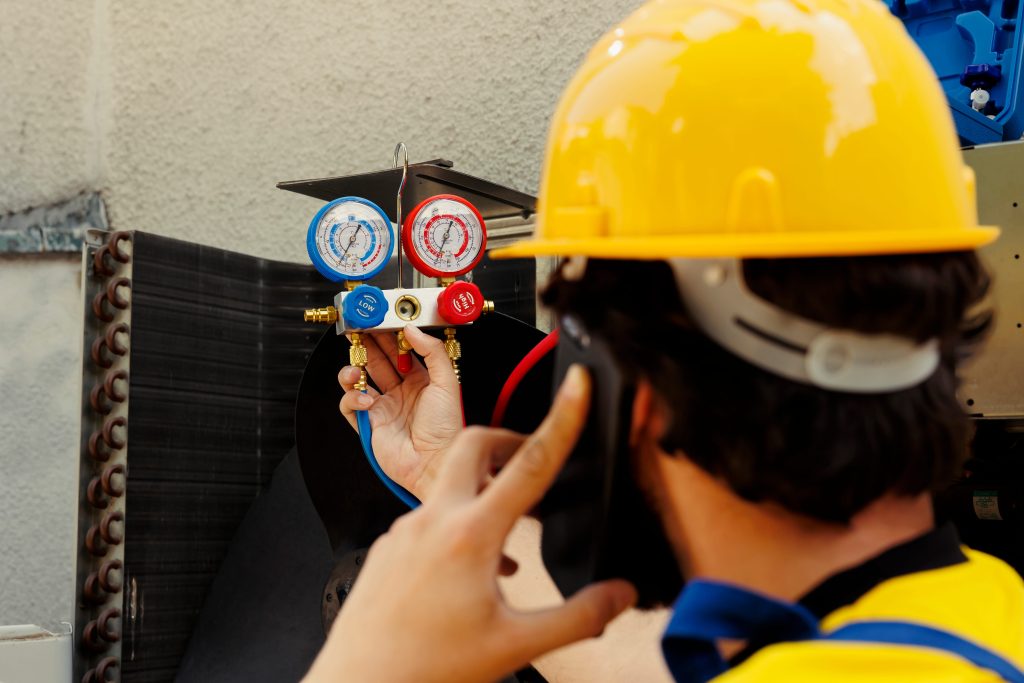
Ready to ensure your gas system is safe and code-compliant? Bluebonnet Plumbing is your trusted partner for gas line pressure testing, repairs, and all residential plumbing services in San Antonio.
Schedule your service today: +1 210-806-7285
Monday–Friday, 8 AM – 5 PM
1917 El Monte Blvd, San Antonio, TX 78201Serving San Antonio homeowners with professional, friendly plumbing expertise since [year]. Your safety is our priority.