
Natural gas is an essential part of modern living in San Antonio homes, powering everything from water heaters and furnaces to stoves and dryers. While natural gas is generally safe and efficient, even a small leak can pose serious risks to your family's health and your property's safety. Understanding how to detect gas leaks and the importance of regular professional inspections isn't just about home maintenance—it's about protecting what matters most.
The dangers of gas leaks are not theoretical. Just this week, a natural gas explosion on San Antonio's Northeast Side critically injured multiple people, including a child, and required the evacuation of 10 to 20 nearby homes. Two separate explosions occurred at the Preston Hollow Drive residence, demonstrating how quickly a gas leak situation can escalate into a life-threatening emergency. This tragic incident serves as a stark reminder that gas safety vigilance is essential for every San Antonio homeowner.
At Bluebonnet Plumbing, we've served San Antonio homeowners since our founding, and we've seen firsthand how our unique climate and water conditions create specific challenges for gas line integrity. This comprehensive guide will help you understand gas leak detection, recognize warning signs, and learn why preventive maintenance is your best defense against potentially dangerous situations.
Concerned about gas safety in your San Antonio home? Bluebonnet Plumbing provides professional gas leak detection and plumbing inspections. Call us at +1 210-806-7285 Monday through Friday, 8 AM to 5 PM, or visit us at 1917 El Monte Blvd, San Antonio, TX 78201.
Understanding Natural Gas and Why Leaks Happen
Natural gas, primarily composed of methane, is odorless and colorless in its natural state. To protect homeowners, utility companies add a chemical called mercaptan, which gives gas its distinctive "rotten egg" or sulfur-like smell. This odorant is your first line of defense in detecting leaks.
Gas leaks in San Antonio homes can occur for several reasons:
- Aging Infrastructure: Older homes may have galvanized steel or iron pipes that corrode over time, creating weak points where gas can escape.
- Improper Installation: Poorly installed gas lines, appliances, or fittings can develop leaks from the start.
- Physical Damage: Construction work, ground shifting, or even tree root intrusion can damage underground gas lines.
- Appliance Wear: Water heaters, furnaces, and other gas-powered appliances experience normal wear and tear that can compromise connections and seals.
- Extreme Weather: San Antonio's climate extremes place unique stress on plumbing and gas systems.
How San Antonio's Climate Affects Gas Line Integrity
San Antonio's humid subtropical climate creates specific challenges that many homeowners don't realize can affect their gas lines and overall plumbing systems. Understanding these local factors helps explain why regular inspections are particularly important in our area.
The Impact of Extreme Heat
San Antonio summers can be punishing, with temperatures regularly exceeding 95°F and occasionally breaking 100°F. According to recent data, the city experienced record-breaking heat in 2023, with devastating effects on underground infrastructure. The extreme heat causes soil to dry out and contract, which places tremendous stress on underground pipes—including gas lines.
When the soil shifts due to drought conditions and heat, it can cause pipes to crack, joints to separate, or fittings to loosen. San Antonio experienced a significant surge in water main breaks during the summer of 2023, jumping from an average of 470 breaks per month to over 1,000 in August. While these statistics focus on water infrastructure, gas lines face similar ground-shifting pressures that can compromise their integrity.
Hard Water and Mineral Buildup
San Antonio's water is among the hardest in the United States, with recent testing showing levels of 357 mg/L (21 grains per gallon)—well into the "very hard water" category defined by the U.S. Geological Survey. This hardness comes from the Edwards Aquifer, our primary water source, which is rich in limestone deposits.
While hard water primarily affects water pipes and appliances, the corrosive nature of mineral-laden water can accelerate the deterioration of pipes throughout your home's plumbing system. When water heaters and other dual-purpose systems corrode faster due to hard water, nearby gas connections can also be compromised, especially in older homes where gas and water lines run in proximity.
Temperature Fluctuations
Although San Antonio winters are generally mild, we do experience occasional steep temperature drops, sometimes falling into the 20s or 30s°F overnight. These rapid temperature changes cause materials to expand and contract, which can stress pipe connections, fittings, and seals over time. The constant cycle of expansion and contraction throughout the year creates fatigue in plumbing materials that can eventually lead to leaks.
Your San Antonio home deserves local expertise. Bluebonnet Plumbing understands the unique challenges our climate presents. Schedule a comprehensive gas line and plumbing inspection by calling +1 210-806-7285 during our business hours: Monday–Friday, 8 AM–5 PM.
Recognizing the Warning Signs of a Gas Leak
Early detection of gas leaks can prevent dangerous situations and costly damage. Familiarizing yourself with the warning signs—both obvious and subtle—is essential for every homeowner.
Sensory Indicators
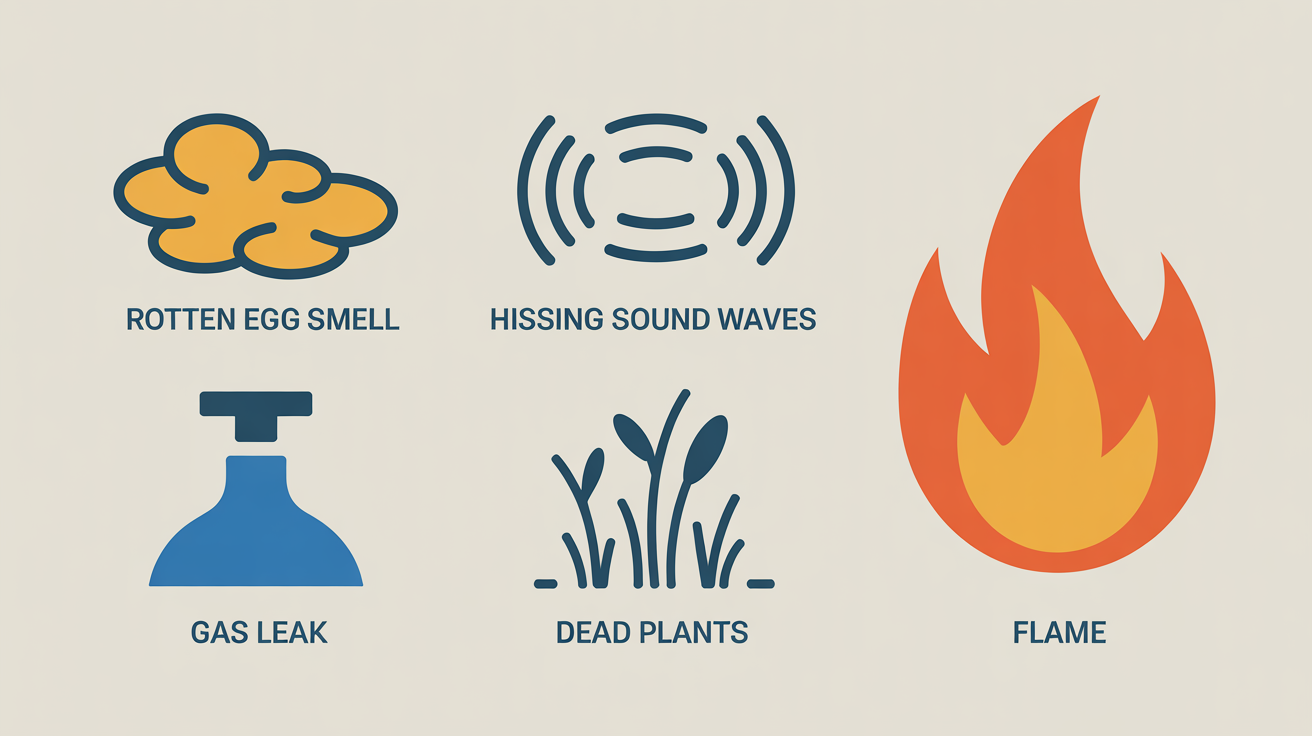
Smell: The most recognizable sign is the distinctive "rotten egg" or sulfur odor. If you notice this smell anywhere in your home, especially near gas appliances or pipe connections, take it seriously. However, be aware that "odor fade" can occur in some situations due to chemical or physical processes, especially with new piping or in areas with limited gas flow, so the absence of smell doesn't guarantee the absence of a leak. In fact, San Antonio Fire Department's Stephen Rustin warned during the recent Northeast Side explosion investigation that gas can become odorless in rare cases, making leaks undetectable without proper equipment. This makes professional detection equipment and regular inspections even more critical for your safety.
Sound: A hissing, whistling, or roaring sound near gas lines or appliances—even when they're turned off—can indicate gas escaping under pressure. This is particularly common with larger leaks.
Sight: Watch for these visual cues:
- Dead, dying, or discolored vegetation in your yard, particularly near underground gas lines
- Yellowish patches of grass or browning shrubbery that don't match the rest of your landscaping
- Bubbles in standing water, puddles, or mud outside your home
- A white dust cloud or blowing dirt near a gas line
- Orange or red flames on your gas appliances' pilot lights instead of the normal blue flame
Physical Symptoms of Gas Exposure
Natural gas exposure can cause oxygen deprivation, leading to various physical symptoms. If you or your family members experience any of these symptoms—especially if multiple people are affected—consider the possibility of a gas leak:
- Persistent headaches or dizziness
- Nausea and fatigue
- Irregular breathing or difficulty breathing
- Chest pain
- Blurred vision or ringing in the ears
- Confusion or difficulty concentrating
- Flu-like symptoms that improve when you leave the house
Pets can also be affected by gas leaks, showing signs like vomiting, lethargy, breathing difficulties, or disorientation.
Unusual Utility Bills
An unexplained increase in your natural gas consumption—outside of seasonal changes in heating or cooling—could indicate a leak somewhere in your system. While this won't help with immediate detection, monitoring your utility bills can alert you to chronic small leaks.
Professional Gas Leak Detection Methods
While homeowners should be vigilant about recognizing warning signs, professional gas leak detection provides the thoroughness and accuracy needed to ensure your home's safety. At Bluebonnet Plumbing, we use multiple detection methods to identify leaks of all sizes.
Electronic Gas Detectors
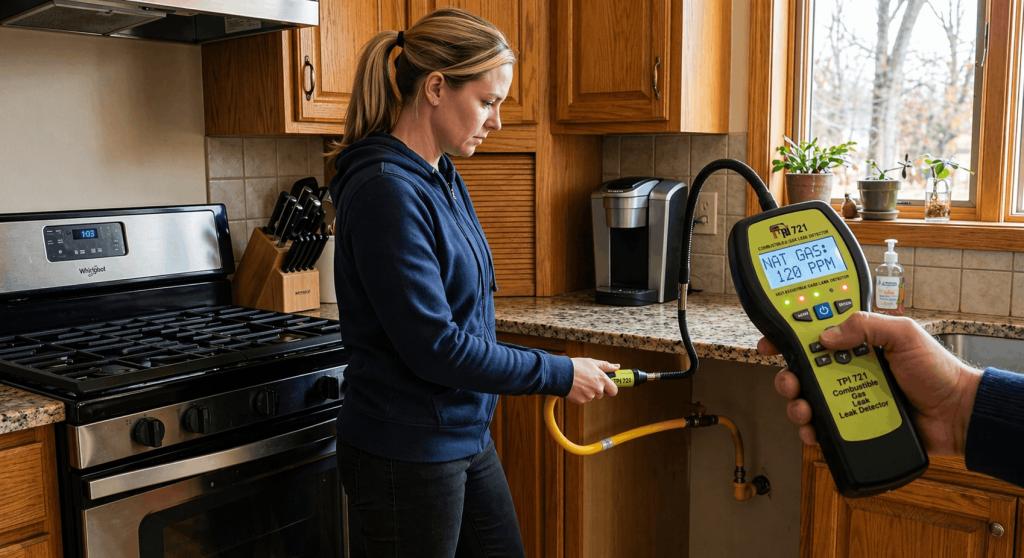
These sophisticated devices use various sensor technologies—including infrared, electrochemical, and metal oxide semiconductor sensors—to detect the presence of natural gas with extreme sensitivity. Electronic detectors can identify concentrations of gas that are far below what human senses can detect, making them invaluable for finding small or slow leaks.
Soapy Water Testing
For accessible connections and fittings, technicians apply a mixture of dish soap and water to suspected areas. If bubbles form, it indicates escaping gas. While this is a simple method, it's highly effective for pinpointing the exact location of leaks in visible piping and connections.
Pressure Testing
This reliable method involves isolating sections of your gas system, pressurizing them, and monitoring for pressure drops over time. Any decrease in pressure indicates a leak somewhere in that section, allowing technicians to narrow down the search area.
Infrared Imaging
Advanced infrared cameras can visualize gas plumes that are invisible to the naked eye by detecting temperature variations. This technology is particularly useful for detecting leaks in walls, underground, or in areas that are difficult to access.
Ultrasonic Detection
Ultrasonic detectors pick up the high-frequency sound waves emitted when gas escapes under pressure. These devices are especially useful for high-pressure leaks and can work in noisy environments where traditional sound detection would be ineffective.
Don't guess about gas safety. Professional detection provides peace of mind. Contact Bluebonnet Plumbing at +1 210-806-7285 for expert gas leak detection services, available Monday through Friday, 8 AM to 5 PM.
The Critical Importance of Regular Gas Line Inspections
Prevention is always better than emergency response, especially when it comes to gas safety. Regular professional inspections are your best defense against gas leaks and the dangers they pose.
Recommended Inspection Frequency
According to safety experts and industry standards, homeowners should schedule professional gas line and appliance inspections at least annually. However, certain situations warrant more frequent attention:
- Homes with gas systems older than 20 years
- Properties that have experienced foundation issues or significant ground shifting
- After any significant plumbing work or renovations
- When purchasing a home, even if a general home inspection was performed
- If you notice any warning signs or unusual odors
What a Professional Inspection Includes
A comprehensive gas safety inspection from Bluebonnet Plumbing covers all critical aspects of your home's gas system:
- Gas Line Integrity: Inspection of all visible gas lines for corrosion, damage, or wear
- Connection Points: Thorough examination of all fittings, joints, and connections
- Appliance Checks: Testing of all gas-powered appliances, including water heaters, furnaces, stoves, and dryers
- Pilot Light Inspection: Verification that pilot lights are burning with the correct blue flame
- Pressure Testing: System-wide pressure tests to identify hidden leaks
- Ventilation Assessment: Ensuring proper ventilation around gas appliances
- Carbon Monoxide Testing: Checking for this odorless, deadly gas that can result from improper gas combustion
The Benefits of Preventive Maintenance
The April 2026 gas explosion on San Antonio's Northeast Side resulted in multiple life-threatening injuries and displaced dozens of families. While investigators continue to determine the exact cause, the incident demonstrates the catastrophic consequences that can result from undetected gas leaks. Regular professional inspections can identify problems before they reach dangerous levels, potentially preventing tragedies like this one.
Regular inspections provide benefits that extend far beyond safety:
- Early Problem Detection: Identifying and addressing small issues before they become expensive emergencies
- Extended Appliance Life: Well-maintained gas appliances last longer and operate more efficiently
- Energy Savings: Properly functioning gas systems consume less energy, reducing utility bills
- Peace of Mind: Knowing your family is safe from gas-related dangers
- Insurance Protection: Documentation of regular inspections can be valuable for insurance claims
- Property Value: Maintained systems are attractive to potential home buyers
Gas Leak Prevention and Maintenance Best Practices
While professional inspections are essential, homeowners can take proactive steps to minimize the risk of gas leaks and maintain their systems between professional visits.
Appliance Care
Gas appliances require regular attention to function safely and efficiently. Keep the areas around your gas water heater, furnace, and other appliances clean and unobstructed to ensure proper airflow. Never store flammable materials near gas appliances, and pay attention to how your appliances are operating—unusual noises, odors, or performance changes should prompt immediate professional attention.
Install Gas Detectors
Just as smoke detectors and carbon monoxide detectors are standard safety equipment, natural gas detectors provide an additional layer of protection. Install gas detectors in areas where gas appliances are located, such as the kitchen, utility room, or garage. Smart detectors with Wi-Fi connectivity can alert you to problems even when you're away from home.
Know Your Shutoff Valve Location
Every homeowner should know the location of their main gas shutoff valve and how to operate it. In an emergency, being able to quickly shut off the gas supply to your home can prevent a small problem from becoming a catastrophe. Keep a wrench near the shutoff valve if needed, and ensure all adult family members know its location.
Be Cautious with DIY Projects
While many home improvement projects are suitable for DIY enthusiasts, working with gas lines is not one of them. Always hire licensed professionals for any gas line work, appliance installation, or modifications. Texas regulations require specific licensing for gas work, and for good reason—improper installation or repairs can create deadly situations.
Protect Your Lines During Landscaping
Before any digging project in your yard, even something as simple as planting a tree, call 811 to have utility lines marked. Damaging an underground gas line with a shovel or post-hole digger can create an immediate and dangerous leak. This free service can prevent accidents and save lives.
Update Aging Components
If your home has older gas pipes, particularly galvanized steel that's more than 30 years old, consider having them professionally evaluated. Modern piping materials like corrugated stainless steel tubing (CSST) offer improved safety and longevity. Similarly, when replacing major appliances like furnaces or water heaters, have the associated gas fittings and shutoff valves replaced as well—these components age and corrode along with the appliances they serve.
Ready to protect your home with preventive maintenance? Bluebonnet Plumbing offers comprehensive gas line inspections and plumbing services tailored to San Antonio homes. Reach us at +1 210-806-7285, Monday–Friday, 8 AM–5 PM.
What to Do If You Suspect a Gas Leak
Knowing how to respond to a suspected gas leak can be the difference between a close call and a tragedy. The recent explosions on Preston Hollow Drive, where two blasts occurred just two hours apart, underscore how rapidly gas leak situations can deteriorate. As San Antonio Fire Chief Valerie Frausto emphasized after the incident, immediate evacuation and professional response are crucial. Follow these critical steps if you detect signs of a gas leak:
Immediate Actions
- Evacuate Immediately: Get everyone—including pets—out of the house and away from the building. Move to a safe distance, at least 100 feet away.
- Don't Use Electronics or Create Sparks: Do not flip light switches, use cell phones, start your car, operate garage door openers, light matches, or do anything that could create a spark. Even a small spark can ignite leaked gas.
- Leave the Door Open: If safe to do so, leave the door open as you exit to help ventilate the area. Do not open windows or try to ventilate the space if it requires you to stay inside longer.
- Call for Help: Once you're at a safe distance, call 911 and CPS Energy's emergency line at (210) 353-4357. Do not assume someone else has called—report the leak yourself. As San Antonio Fire Department's Stephen Rustin advises: "If there is even a hint of the odor, investigate it. Call the fire department, we can come out, use detection equipment, and check if gas is present." Professional responders have specialized equipment to safely assess the situation.
- Don't Return Until Cleared: Do not re-enter your home until emergency services or utility personnel have declared it safe.
What NOT to Do
Understanding what to avoid is just as important as knowing the right actions:
- Never try to locate or repair the leak yourself
- Don't use flashlights or lighters to inspect the area
- Don't turn appliances or lights on or off
- Avoid using your phone inside the house
- Don't start vehicles or equipment
- Never ignore warning signs or convince yourself "it's probably nothing."
After the Emergency
Once the immediate danger has passed and professionals have addressed the leak, it's important to follow up properly:
- Have the source of the leak professionally repaired before resuming gas service
- Schedule a comprehensive inspection to check for additional problems
- Consider having your entire gas system evaluated, especially in older homes
- Update your gas detectors and carbon monoxide detectors
- Review emergency procedures with your family
Understanding Texas Natural Gas Safety Regulations
Texas takes natural gas safety seriously, with regulations overseen by the Railroad Commission of Texas (RRC). Understanding these regulations helps homeowners appreciate the importance of professional service and licensed contractors.
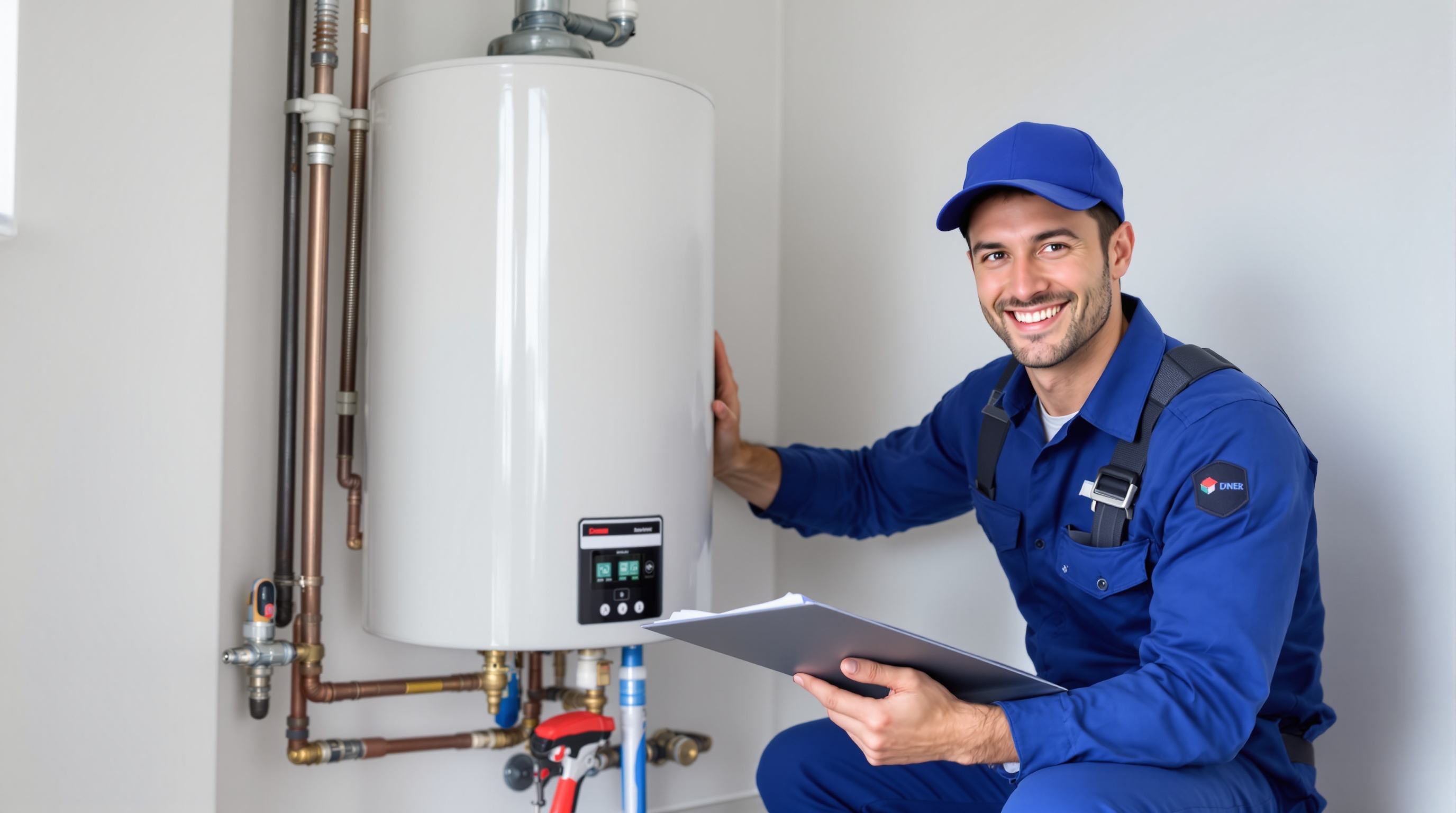
The RRC establishes and enforces safety regulations for natural gas systems, incorporating standards from the National Fire Protection Association (NFPA) and federal regulations. Any business involved in natural gas activities in Texas—including installation, service, or repair—must be licensed by the Railroad Commission.
When hiring a plumber or contractor for gas work, always verify their licensing and insurance. Bluebonnet Plumbing maintains all required licenses and follows all state and federal safety regulations to ensure your family's protection.
According to the U.S. Environmental Protection Agency, proper maintenance and leak detection in natural gas systems also play a role in environmental protection by reducing methane emissions, a potent greenhouse gas.
Why Choose Bluebonnet Plumbing for Your Gas Safety Needs
When it comes to gas leak detection and plumbing services in San Antonio, choosing the right professional makes all the difference. Bluebonnet Plumbing brings local expertise, professional credentials, and a commitment to your safety that sets us apart.
Local Knowledge Matters
We understand San Antonio's unique challenges—from our limestone-rich hard water to the soil-shifting heat of our summers. This local knowledge informs every inspection and service call, allowing us to anticipate problems specific to our area and provide solutions that work for our climate.
Comprehensive Plumbing Services
While we excel at gas leak detection and safety inspections, we're also your go-to experts for water heater installation and repair, water softener systems to combat our hard water, drain clearing, and all residential plumbing needs. This comprehensive approach means we can address the interconnected systems in your home with an understanding of how they affect each other.
Professional and Friendly Service
At Bluebonnet Plumbing, we believe in treating every customer like family. We take the time to explain what we find, answer your questions, and provide clear recommendations. Our goal isn't just to fix immediate problems—it's to help you maintain a safe, efficient home for years to come.
Convenient Business Hours
We're available Monday through Friday, 8 AM to 5 PM, providing quality service during regular business hours when you can schedule appointments that fit your life. Visit us at our convenient location at 1917 El Monte Blvd, San Antonio, TX 78201, or give us a call at +1 210-806-7285.
Experience the Bluebonnet Plumbing difference. Call +1 210-806-7285 to schedule your gas safety inspection or discuss any plumbing concerns. We're here Monday through Friday, 8 AM–5 PM, ready to serve San Antonio homeowners with expertise and integrity.
The Connection Between Water Heaters and Gas Safety
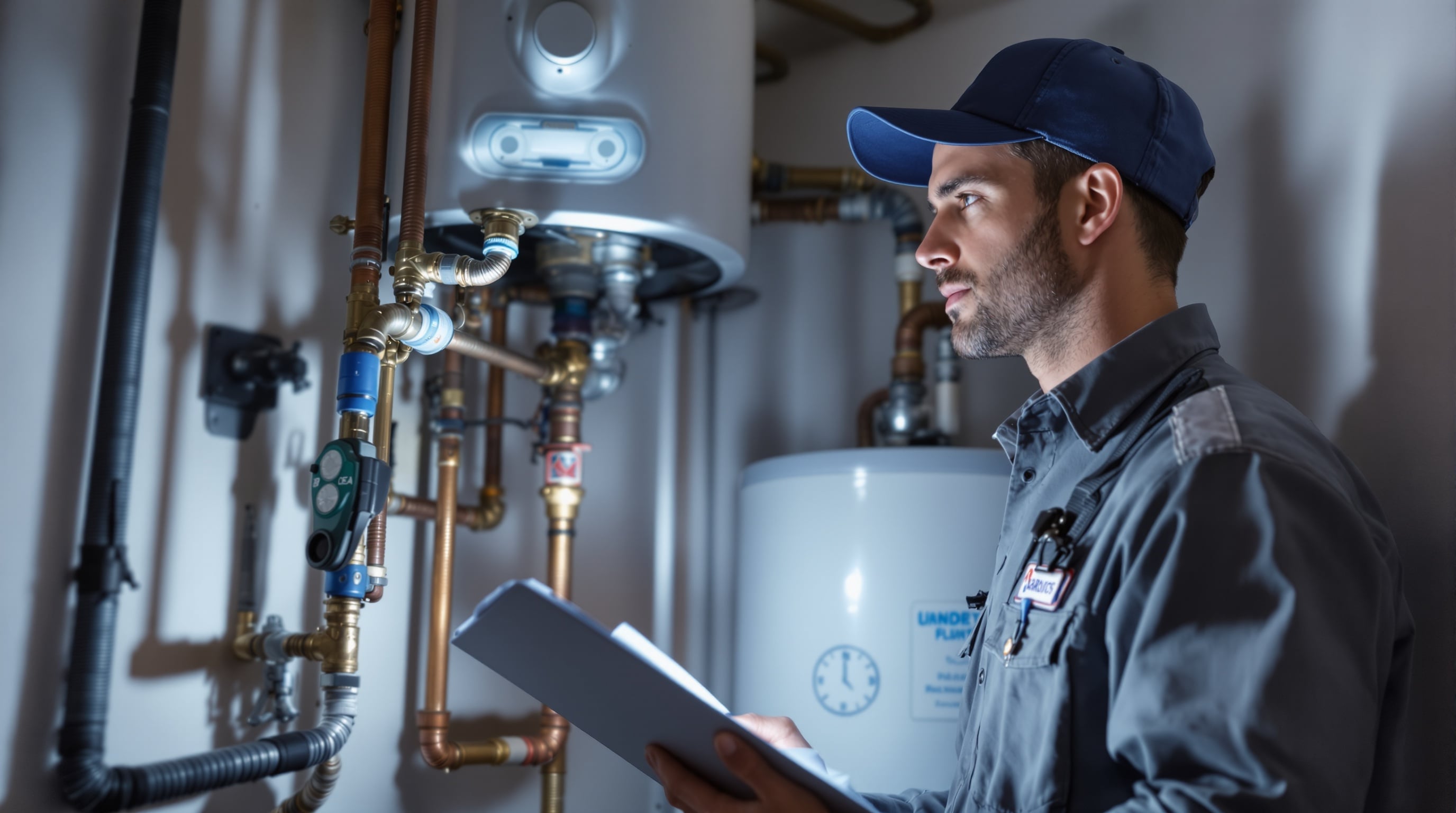
Many San Antonio homes rely on gas water heaters, making the connection between water heater maintenance and gas safety particularly important. Your water heater represents one of the most significant gas appliances in your home, and it requires regular attention to function safely.
Water heaters are susceptible to multiple issues that can affect gas safety. The pilot light should maintain a steady blue flame; an orange or red flame indicates incomplete combustion and potential carbon monoxide production. The gas control valve, thermocouple, and burner assembly all need periodic inspection to ensure they're functioning correctly.
San Antonio's hard water accelerates mineral buildup inside water heater tanks and on heating elements, which can affect performance and longevity. This mineral accumulation can also stress tank integrity and connections, potentially contributing to leaks. Regular water heater maintenance—including flushing to remove sediment, inspecting the anode rod, and checking all gas connections—protects both your investment and your family's safety.
When it's time to replace your water heater, professional installation is critical. Improper installation can create gas leaks, inadequate venting, or carbon monoxide hazards. Bluebonnet Plumbing specializes in water heater installation and service, ensuring every connection meets safety standards and local codes.
Frequently Asked Questions About Gas Leak Detection in San Antonio
How often should I have my gas lines professionally inspected?
We recommend annual gas line inspections for all San Antonio homes with natural gas service. However, homes with older systems (20+ years), those that have experienced foundation issues, or properties after significant plumbing work should be inspected more frequently. If you notice any warning signs like unusual odors, hissing sounds, or dead vegetation near gas lines, schedule an inspection immediately, regardless of when your last inspection occurred.
Can I detect gas leaks myself, or do I need professional equipment?
While homeowners can and should be vigilant about recognizing warning signs like the "rotten egg" smell, hissing sounds, or visual indicators, professional detection equipment is necessary for thorough safety assurance. Electronic gas detectors can identify leaks far too small for human senses to detect. Professional inspections use multiple detection methods to ensure no leak goes unnoticed. For peace of mind and comprehensive safety, professional detection is always recommended.
What makes San Antonio homes particularly vulnerable to gas leaks?
San Antonio's unique combination of factors creates specific challenges. Our extreme summer heat causes soil to dry and shift, stressing underground pipes. The hard water from the Edwards Aquifer accelerates pipe corrosion throughout plumbing systems. Temperature fluctuations between hot summers and occasional winter freezes cause expansion and contraction in piping materials. Older neighborhoods in San Antonio may also have aging infrastructure more susceptible to leaks. These factors make regular professional inspections particularly important for local homeowners.
How long does a professional gas leak inspection take?
A comprehensive gas safety inspection typically takes 45 minutes to 90 minutes, depending on your home's size, the number of gas appliances, and the extent of your gas line system. This includes visual inspections of all accessible gas lines, testing of appliances, pressure testing, and electronic detection. The time invested in a thorough inspection is minimal compared to the safety and peace of mind it provides.
What's the difference between a gas leak and a carbon monoxide leak?
Natural gas and carbon monoxide are different substances with different sources and detection methods. Natural gas is what flows through your gas lines to appliances; it has the added "rotten egg" odor for detection. Carbon monoxide is a byproduct of incomplete combustion—it can be produced when gas appliances burn improperly. Carbon monoxide is completely odorless and colorless, making it undetectable without a CO detector. Both pose serious dangers, which is why homes need both gas detectors and carbon monoxide detectors for complete protection.
Does homeowners insurance cover gas leak repairs?
Insurance coverage for gas leaks varies depending on your policy and the cause of the leak. Sudden, accidental leaks may be covered under many homeowners policies, while leaks due to poor maintenance or normal wear and tear typically are not. Documentation of regular professional inspections can be valuable when filing claims. We recommend reviewing your specific policy with your insurance provider and maintaining records of all inspections and maintenance performed on your gas systems.
Can hard water really affect my gas lines?
While hard water primarily affects water pipes directly, it can indirectly impact gas safety in several ways. The corrosive nature of mineral-rich water accelerates the deterioration of pipes throughout your plumbing system. In older homes where gas and water lines run near each other or share structural supports, corrosion in water lines can affect the surrounding infrastructure. Additionally, hard water's impact on water heaters—one of your home's primary gas appliances—can stress connections and fittings. San Antonio's extremely hard water makes comprehensive plumbing maintenance, including gas line inspections, particularly important.
What should I do if I smell gas outside my home?
If you smell gas outside your home, move away from the area immediately and call 911 and CPS Energy at (210) 353-4357 from a safe distance. Do not assume an outdoor leak is less dangerous than an indoor one—gas can travel through soil and enter buildings, and concentrations can reach dangerous levels in confined spaces like garages or crawl spaces. The recent Preston Hollow Drive incident showed that gas detected in nearby homes led to the evacuation of 10 to 20 residences as a safety precaution. Never try to locate or repair an outdoor gas leak yourself. Stay away from the area until professionals have addressed the situation and declared it safe.
Are gas detectors necessary if natural gas has an odor added to it?
Yes, gas detectors are still valuable even though natural gas has an added odorant. "Odor fade" can occur in certain situations, making leaks harder to detect by smell alone. Some people have a diminished sense of smell and may not detect the odor. Gas detectors can identify concentrations of gas before they reach levels noticeable to human senses, providing earlier warning. Smart gas detectors can also alert you to leaks even when you're not home. Think of gas detectors as an additional layer of protection, similar to how you have smoke detectors, even though you can usually smell smoke.
What can I learn from the recent gas explosion on San Antonio's Northeast Side?
The April 2026 explosion on Preston Hollow Drive offers several critical lessons for all San Antonio homeowners. First, gas emergencies can escalate rapidly—two explosions occurred just two hours apart, demonstrating how unpredictable these situations can be. Second, gas leaks can affect multiple properties, as evidenced by the evacuation of 10 to 20 nearby homes when gas was detected in surrounding residences. Third, the Fire Department's warning that gas can become odorless in rare cases reinforces the importance of professional detection equipment and regular inspections. Finally, the severity of injuries sustained—including multiple life-threatening cases—shows that gas leaks are genuine emergencies requiring immediate evacuation and professional response. This incident underscores why preventive maintenance and professional inspections are investments in your family's safety, not optional expenses.
Protecting Your San Antonio Home Starts with Awareness
Gas safety isn't something to postpone or take lightly. The risks associated with gas leaks—fire, explosion, poisoning, and property damage—are serious, but they're also largely preventable with proper awareness, regular maintenance, and professional inspections.
As a San Antonio homeowner, understanding the unique challenges our climate and water conditions present gives you an advantage in protecting your property and family. The same extreme heat that makes our summers memorable also stresses the underground infrastructure that keeps our homes safe. The hard water that leaves spots on our dishes also accelerates wear on our plumbing systems.
Regular professional gas line inspections aren't an expense—they're an investment in safety, efficiency, and peace of mind. Early detection of small problems prevents expensive emergencies and, more importantly, protects your family from dangerous situations.
At Bluebonnet Plumbing, we're committed to helping San Antonio homeowners maintain safe, efficient homes. Whether you need a comprehensive gas safety inspection, water heater service, solutions for hard water challenges, or any other plumbing service, we bring the expertise and local knowledge that makes a difference.
Don't wait for warning signs to take gas safety seriously. Schedule your annual inspection, install gas and carbon monoxide detectors, maintain your appliances, and build a relationship with a trusted local plumber who understands your home's needs.
For more information about natural gas safety standards and regulations, visit the U.S. Department of Energy's natural gas safety resources or learn about water quality from the United States Geological Survey.
Your safety is our priority. Contact Bluebonnet Plumbing today at +1 210-806-7285 to schedule your gas leak detection and safety inspection. We're proudly serving San Antonio homeowners Monday through Friday, 8 AM to 5 PM, from our location at 1917 El Monte Blvd, San Antonio, TX 78201. Let us help you protect what matters most—your home and your family.