
If you own an older home in San Antonio, you likely appreciate its character and history. However, beneath the surface, your home's aging plumbing system might be hiding a serious problem. Many older homes in the area were built with clay or cast-iron sewer pipes, which are highly susceptible to damage over time. When these pipes fail, traditional repair methods require extensive digging, tearing up your yard, driveway, or even your home's foundation — and the restoration costs can be staggering.
Fortunately, modern plumbing technology offers a better solution. Trenchless sewer line repair, particularly Cured-In-Place Pipe (CIPP) lining, allows homeowners to fix severe sewer issues without the destructive excavation. In this guide, we'll explore why trenchless solutions are the future for older San Antonio homes, the common problems with aging pipes, and how you can save 30–50% on overall repair costs compared to traditional digging.
The Hidden Danger: Aging Sewer Lines in San Antonio
San Antonio has a rich architectural history, with a significant portion of its housing stock built decades ago. According to U.S. Census Bureau data analyzed by Point2Homes, the median construction year for homes in San Antonio is 1985, and over 10% of homes were built before 1950 [1]. Homes built before the 1980s frequently utilized clay or cast-iron pipes for their main sewer lines — materials that have now exceeded or are approaching the end of their designed lifespan.
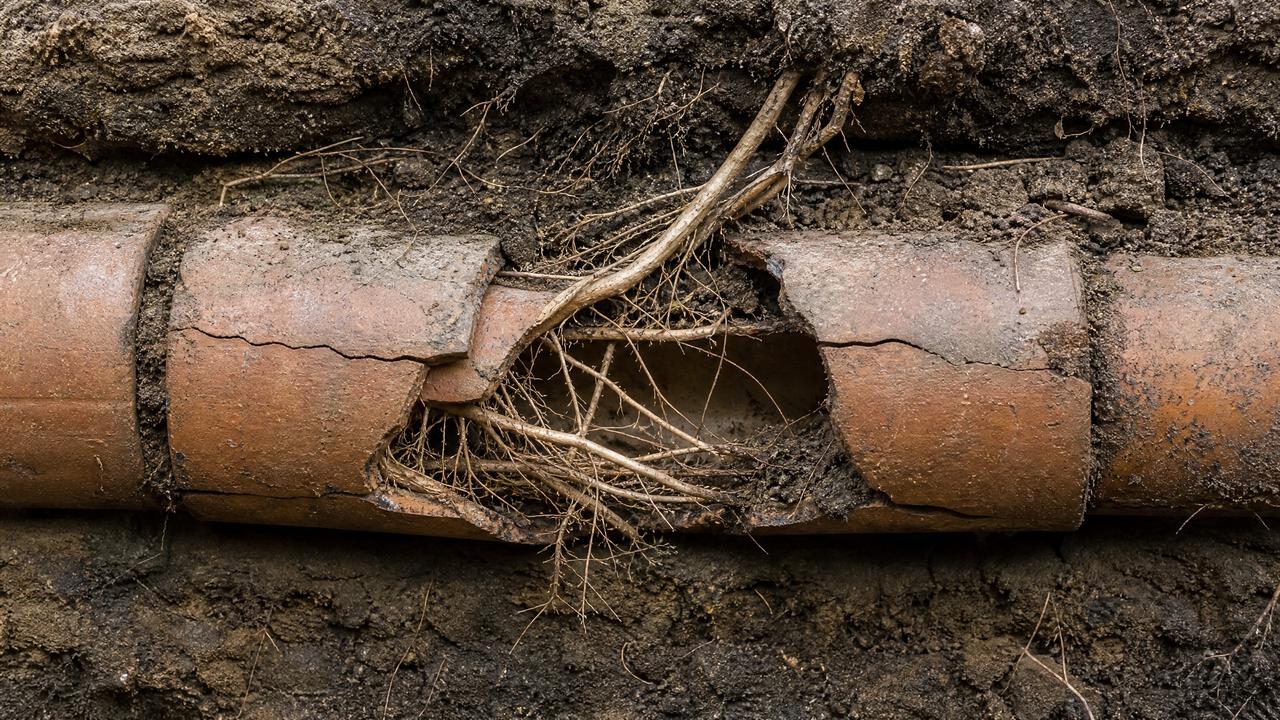
Why Clay Pipes Fail
While clay pipes are naturally resistant to chemical corrosion from sewage, they are brittle and inflexible. Under ideal conditions, clay sewer pipes can last 50 to 60 years [2]. However, several factors common in San Antonio can drastically shorten this lifespan:
- Tree Root Intrusion: This is the number one enemy of clay pipes. As trees search for moisture, their roots find tiny gaps in the pipe joints. Once inside, they grow rapidly, causing severe blockages and eventually shattering the brittle clay [2].
- Soil Shifting: San Antonio's expansive clay soil expands when wet and contracts during dry spells. This constant movement puts immense pressure on rigid clay and cast-iron pipes, leading to cracks, misalignments, and collapsed sections.
- Age and Deterioration: Simply put, many of these pipes have exceeded their designed lifespan and are structurally failing from the inside out.
Warning Signs of a Failing Sewer Line
Don't wait for a complete sewage backup into your home. Watch for these early warning signs that your sewer line needs professional attention:
- Multiple drains clogging or running slowly at the same time throughout the house.
- Gurgling sounds coming from your toilets or drains when you run water elsewhere.
- Foul sewer odors inside your home or lingering in your yard.
- Unexplained soggy, lush, or extra-green patches of grass in your lawn, indicating an underground sewage leak.
- Recurring drain backups that keep returning after being cleared.
If you notice any of these signs, especially in an older home, it's crucial to schedule a professional drain and sewer inspection immediately. Early detection can mean the difference between a relatively simple repair and a catastrophic, costly failure.
Think your sewer line may be failing? Bluebonnet Plumbing can perform a professional sewer camera inspection to identify the problem before it turns into a major repair. Contact us today to schedule your inspection.
Traditional Excavation vs. Trenchless Repair: A Side-by-Side Comparison
When a sewer line fails, homeowners face a critical choice: traditional dig-and-replace methods or modern trenchless repair. Understanding the differences is essential to making the right decision for your home and your budget.
The High Cost of Traditional Excavation
Traditional sewer line replacement involves digging a trench along the entire length of the pipe to remove the old line and install a new one. While the cost of the pipe itself isn't the primary driver, the hidden costs of excavation are staggering. Depending on where your sewer line runs, excavation might require tearing up your landscaping and mature trees, your driveway or sidewalk, your patio or deck, and in severe cases, the interior slab or foundation of your home. Once the pipe is replaced, you are left with the bill to restore all of these surfaces. In many cases, the surface restoration costs rival or exceed the plumbing work itself, pushing total project costs into the $8,000–$20,000+ range for a standard residential line [3].
The Trenchless Solution: CIPP Lining Explained
Trenchless sewer repair, specifically Cured-In-Place Pipe (CIPP) lining, offers a minimally invasive alternative that rehabilitates the pipe from the inside out. Instead of digging a massive trench, plumbers use existing access points (like a cleanout) to insert a flexible, resin-saturated liner directly into the damaged pipe.
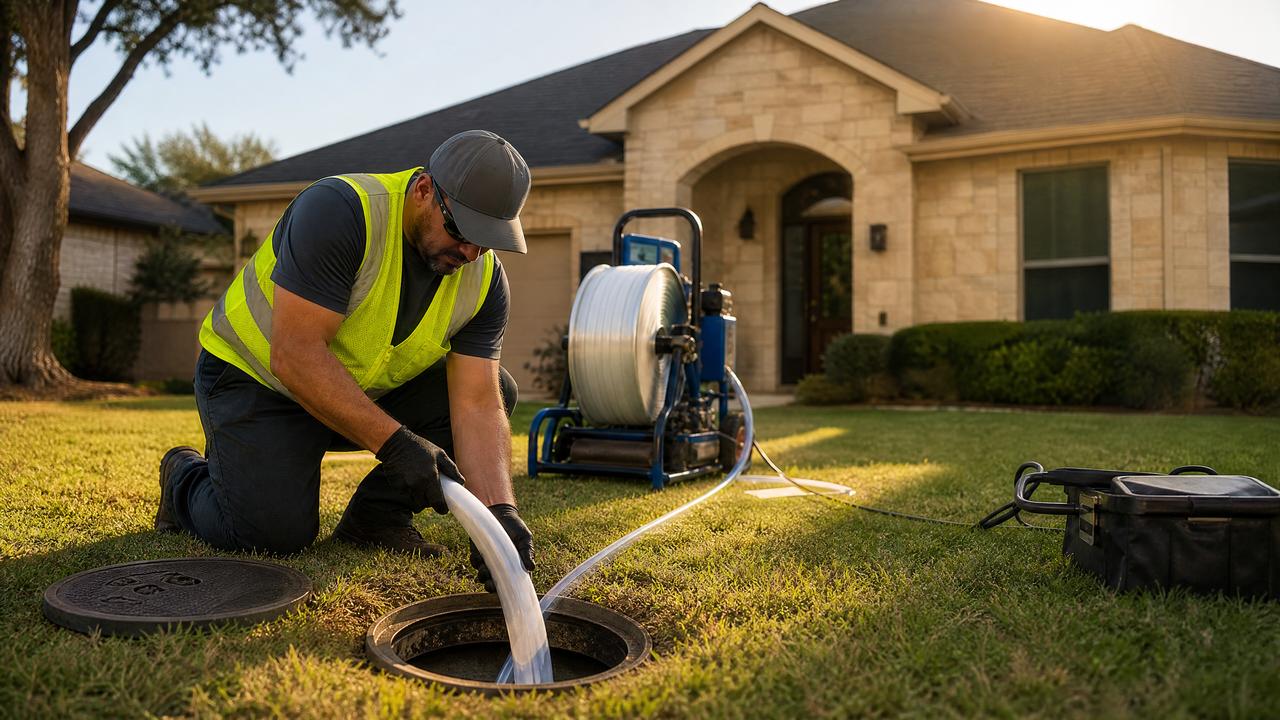
Here is how the CIPP process works, step by step:
- Camera Inspection: A high-resolution camera is sent down the line to assess the damage and confirm the pipe is a viable candidate for lining.
- Hydro Jetting: The existing pipe is thoroughly cleaned using high-pressure water to remove roots, scale, grease, and debris.
- Liner Insertion: A flexible, resin-saturated liner is inserted into the damaged pipe through the existing access point.
- Curing: The liner is inflated to press firmly against the walls of the old pipe and cured (hardened) using ambient temperature, hot water, steam, or UV light.
- Final Inspection: A camera is run through the newly lined pipe to confirm a successful installation.
The result is a brand-new, structurally sound, seamless pipe created directly inside the old one — with no trench required.
Why Trenchless is the Best Choice for San Antonio Homeowners
For older homes in San Antonio, trenchless sewer repair provides significant advantages over traditional methods. Here is why it has become the preferred solution for savvy homeowners.
1. Massive Savings on Restoration Costs
While the cost per linear foot for trenchless repair may be comparable to traditional digging, the overall project cost is typically far lower. By avoiding the destruction of your property, homeowners frequently save 30% to 50% compared to a fully restored dig-and-replace project [4]. You won't need to hire separate contractors to repour your driveway, replant your lawn, or rebuild your patio.
Want to know if trenchless repair is the right option for your home? Schedule an inspection with Bluebonnet Plumbing, and we'll recommend the most cost-effective solution for your sewer line.
2. A Permanent Solution to Tree Root Intrusion
Because the new CIPP liner is completely seamless, there are no joints for tree roots to infiltrate. This provides a permanent solution to the most common cause of sewer backups in San Antonio's older, tree-lined neighborhoods. You won't be calling a plumber every year to clear roots from the same line.
3. Exceptional Durability and Lifespan
A common concern is whether a "lined" pipe is as strong as a brand-new one. The answer is a resounding yes. Most modern CIPP systems are rated to last 50 years or more under normal conditions [5]. The epoxy resin creates a corrosion-resistant, structurally sound barrier that effectively gives your old pipe a new lease on life.
4. Faster Repair Times with Minimal Disruption
Traditional excavation can leave your home without functional plumbing for days while trenches are dug and pipes are laid. In contrast, most trenchless lining projects can be completed in a single day, minimizing the disruption to your family's daily routine. Your yard, driveway, and landscaping remain intact.
Experiencing Sewer Line Issues in San Antonio?
Don't let a failing sewer line destroy your yard or your budget. Bluebonnet Plumbing offers advanced camera inspections and expert advice to help you choose the best repair method for your older home.
Contact Bluebonnet Plumbing today at (210) 934-5468 to schedule your inspection!
Available Monday through Friday, 8 AM – 5 PM
Is Your Home a Candidate for Trenchless Repair?
While CIPP lining is a revolutionary technology, it is not suitable for every situation. If the existing pipe has completely collapsed or lost its structural integrity, a liner cannot be pulled through. In these severe cases, traditional excavation or pipe bursting may be the only viable options.
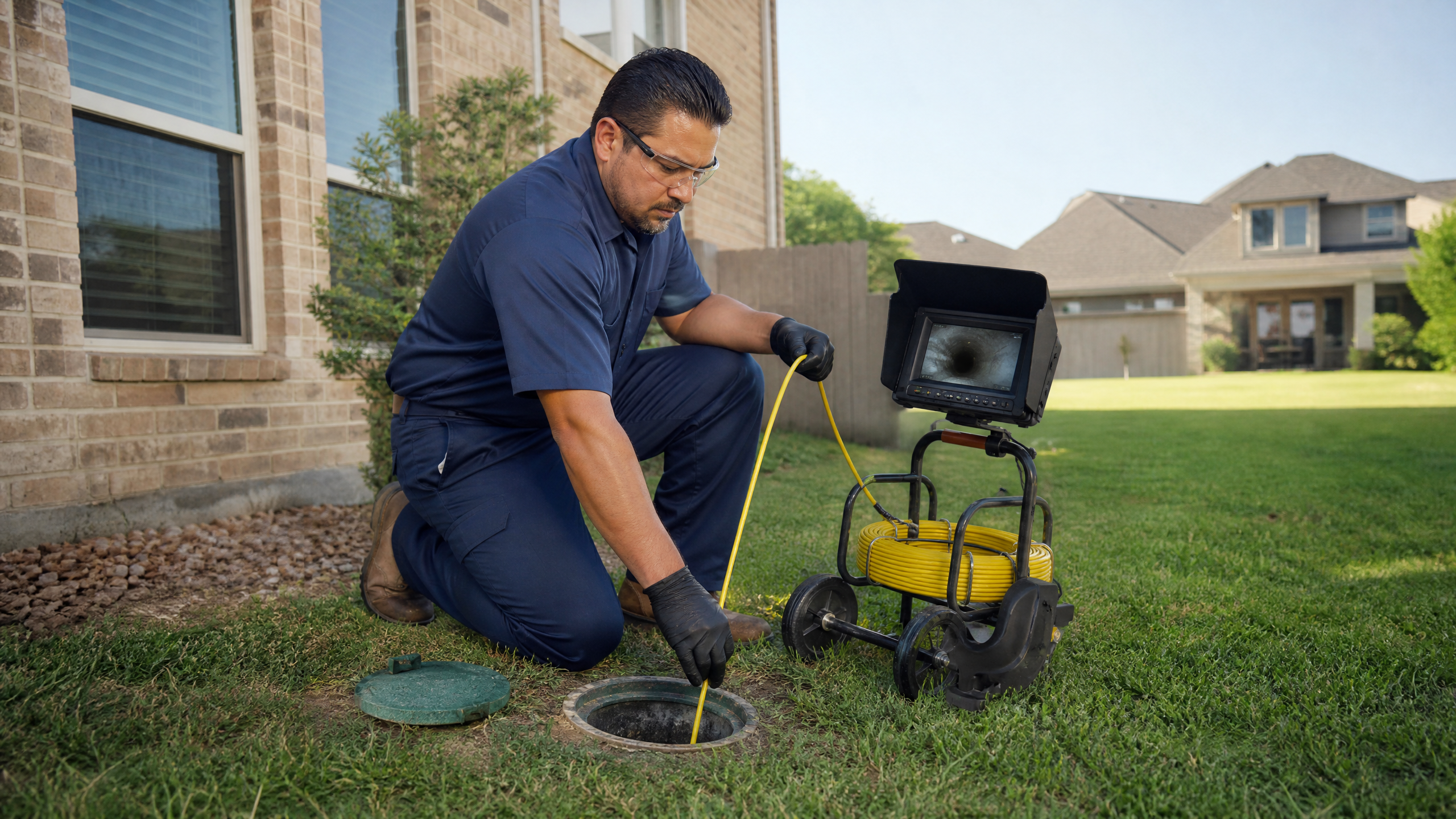
The only way to know for certain is to have a licensed plumber perform a professional video camera inspection. This allows the technician to see exactly what is happening underground and recommend the most effective and economical repair method. If you own a home built before 1980 in San Antonio and have never had a sewer inspection, scheduling one is one of the most proactive investments you can make in your home's health. You may also want to read our guide on slab leaks in San Antonio, as failing sewer lines and slab issues often go hand in hand in older homes.
Frequently Asked Questions About Sewer Line Repair in San Antonio
How much does trenchless sewer repair cost in San Antonio?
Costs vary depending on the length and diameter of the pipe, the extent of the damage, and the specific method used. However, because you avoid costly landscaping and hardscape restoration, trenchless repair is often 30–50% cheaper in total project cost compared to traditional excavation methods. A professional camera inspection is the best way to get an accurate estimate for your specific situation.
How long does a trenchless sewer repair take?
Most trenchless repair projects, such as CIPP lining, can be completed in a single day. This means your plumbing will be back up and running much faster than with traditional dig-and-replace methods, which can take several days and leave your property in disarray.
Will tree roots grow back into a lined pipe?
No. CIPP lining creates a seamless, joint-free pipe inside your old sewer line. Without joints or cracks, tree roots have no entry points. This makes trenchless lining a permanent solution for root intrusion, unlike simple root cutting, which only provides temporary relief.
How long does CIPP pipe lining last?
When installed correctly by licensed professionals, a CIPP liner is designed to last 50 years or more, effectively providing the lifespan of a brand-new pipe. Many manufacturers offer warranties of 10–25 years on residential installations.
What are the signs that my sewer line needs repair?
Key warning signs include multiple slow drains throughout the house, recurring sewer backups, gurgling sounds from toilets, persistent sewer odors indoors or in the yard, and unusually green or soggy patches of grass over the sewer line path. If your home was built before 1980, a proactive camera inspection is strongly recommended even without obvious symptoms.
Does Bluebonnet Plumbing offer sewer line repair in San Antonio?
Yes! Bluebonnet Plumbing serves homeowners throughout the San Antonio area during business hours. Our licensed plumbers can perform a thorough sewer camera inspection and advise you on the best repair solution for your home. Contact us today or call (210) 934-5468 to schedule your appointment.
References
[1] Point2Homes. "San Antonio, TX Demographics: Population, Income, and More." https://www.point2homes.com/US/Neighborhood/TX/Bexar-County/San-Antonio-Demographics.html
[2] Roto-Rooter. "The Problem with Clay Sewer Pipes." https://www.rotorooter.com/blog/drains/clay-pipes-can-be-problematic/
[3] NuFlow. "Cost To Replace Sewer Line Vs Trenchless Repair Savings." https://nuflow.com/blog/cost-to-replace-sewer-line-vs-trenchless-repair-savings/
[4] NuFlow. "Cost Savings With Trenchless Sewer Pipe Repair." https://nuflow.com/blog/cost-savings-trenchless-sewer-pipe-repair/
[5] NuFlow. "Cured-In-Place Pipe Lining Warranty Lengths." https://nuflow.com/blog/cured-in-place-pipe-lining-warranty-lengths/