
Is your toilet running? While it sounds like the setup to a classic joke, for San Antonio homeowners, a running toilet is no laughing matter. According to the San Antonio Water System (SAWS), a leaky toilet could be wasting up to 1,440 gallons of water every single day. Over the course of a month, that seemingly minor annoyance could add hundreds of dollars to your SAWS bill and lock you into a higher sewer rate for the entire following year.
Whether you are dealing with "ghost flushing," a slow trickle down the bowl, or a toilet that takes forever to refill, knowing when to repair versus when to replace your toilet can save you significant money and frustration. In this comprehensive guide, we break down the most common causes of running toilets, typical repair and replacement costs, and how to decide which option is right for your San Antonio home.
Why Is My Toilet Running? The Most Common Causes
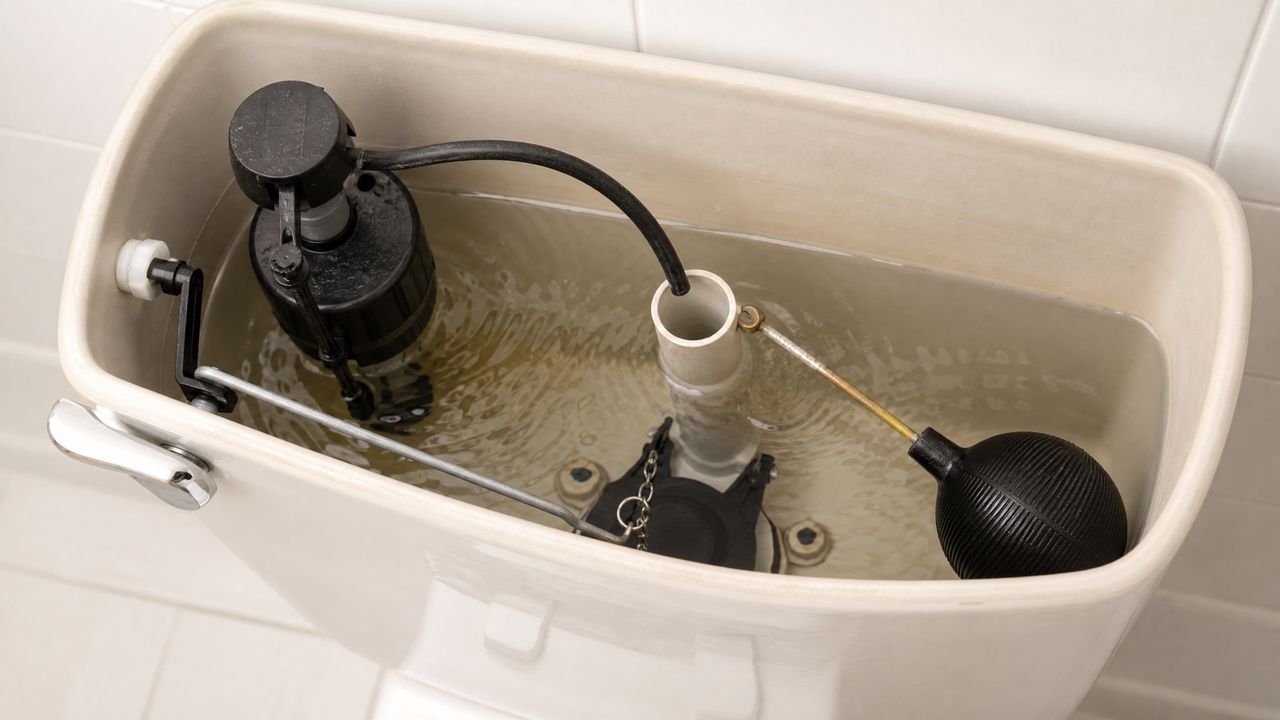
Most toilet leaks originate in the tank, not the bowl. The internal components of your toilet endure constant exposure to water, and in San Antonio, our famously hard water accelerates wear and tear. Calcium and mineral deposits from the city's water supply can quickly degrade rubber seals and plastic mechanisms, shortening the lifespan of toilet components significantly. Here are the most frequent culprits behind a running toilet:
Not sure what's causing your toilet to run? Our licensed plumbers can pinpoint the issue quickly and recommend the most cost-effective solution.
Schedule a toilet inspection with Bluebonnet Plumbing today.
1. A Worn or Warped Flapper
The flapper is the rubber seal at the bottom of your toilet tank that lifts when you flush and drops to seal the water in. Over time — especially with hard water exposure — this rubber degrades, warps, or accumulates mineral buildup. When the flapper fails to seal completely, water continuously leaks from the tank into the bowl, prompting the fill valve to run constantly to replenish the lost water. SAWS recommends changing your toilet flapper at least once a year as a preventive maintenance measure.
2. A Faulty Fill Valve
The fill valve controls the flow of water into the tank after a flush. If the valve is defective, misaligned, or clogged with sediment from San Antonio's hard water, it may not shut off properly. This causes the tank to overfill, sending excess water down the overflow tube and into the bowl, resulting in a continuous running sound even when the toilet has not been flushed.
3. Improper Float Height
The float — either a ball on an arm or a cylinder on the fill valve — dictates the water level in the tank. If the float is set too high, the water level will rise above the overflow tube, causing a continuous leak into the bowl. Adjusting the float is often a simple fix, but if the float is waterlogged or damaged, it will need replacement.
4. The "Ghost Flush"
If your toilet randomly refills itself without anyone flushing it, you are experiencing what plumbers call a "ghost flush." This is almost always caused by a slow leak from the tank into the bowl, typically due to a faulty flapper or flush valve seal. The water level slowly drops until it triggers the fill valve to kick on and refill the tank, creating the eerie sound of a toilet flushing on its own.
5. A Damaged Overflow Tube
If the overflow tube (the vertical pipe in the center of the tank) is cracked or if the water level is set too high, water will continuously drain down the tube into the bowl. This is a less common but important cause to check, especially in older toilets.
Need Fast Toilet Repair in San Antonio?
Don't let a running toilet drain your wallet. The expert plumbers at Bluebonnet Plumbing can quickly diagnose and fix any toilet issue — from a simple flapper swap to a full toilet replacement.
Call us today at (210) 934-5468 or contact us online!
The Hidden Cost of a Running Toilet in San Antonio
Ignoring a running toilet is literally pouring money down the drain. The U.S. Environmental Protection Agency (EPA) reports that the average family can waste 180 gallons per week — or 9,400 gallons annually — from household leaks, and running toilets are among the primary contributors. In San Antonio, where SAWS implements tiered water rates to encourage conservation, excessive water use moves you into higher billing tiers, significantly increasing your monthly costs.
There is an additional financial risk that many San Antonio homeowners are unaware of: SAWS calculates your monthly sewer charge based on your average winter water use, typically measured from mid-November to mid-March. If you have an undetected running toilet during these winter months, you will be locked into a higher sewer rate for the entire following year, compounding the financial damage well beyond the water waste itself.
To check for a silent leak, SAWS recommends a simple DIY test: Add a few drops of food coloring to the water in your toilet tank (do not flush). Wait 20 minutes. If the colored water appears in the toilet bowl, you have a confirmed leak that needs immediate attention.
A small leak today can become an expensive water bill tomorrow. If you've confirmed a leak with the food coloring test, don't wait to have it repaired.
Call Bluebonnet Plumbing for fast, professional toilet repair in San Antonio.
Toilet Repair vs. Replacement: Making the Right Choice
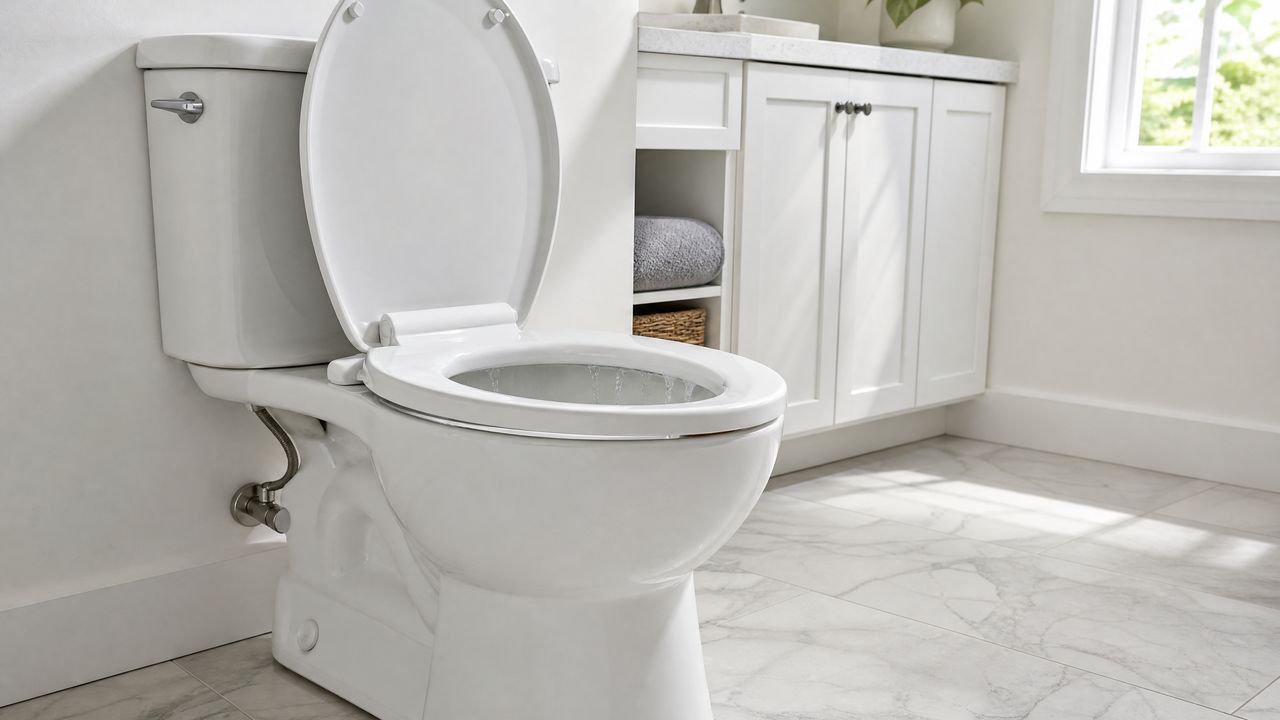
When faced with a malfunctioning toilet, homeowners often wonder whether it is more cost-effective to repair the existing unit or invest in a brand-new one. The answer depends on the toilet's age, the nature of the problem, and the frequency of past repairs. Here is a clear breakdown of when to repair and when to replace.
When to Repair Your Toilet
Repairing your toilet is usually the best option if the fixture is relatively new (10 to 15 years old) and the issue is limited to the internal tank components. Replacing a flapper, fill valve, or flush valve assembly is generally inexpensive. According to Angi's 2026 cost data, professional toilet repairs average $271, with a typical range of $150 to $391 depending on the parts needed and the complexity of the job.
You should opt for repair if the toilet is less than 15 years old, the issue is a simple running toilet caused by a faulty flapper or fill valve, there are no cracks in the porcelain bowl or tank, and the toilet has not required frequent repairs in the past.
When to Replace Your Toilet
While toilets can theoretically last for decades, their efficiency and reliability decline over time. A general rule of thumb is to consider replacing your toilet every 20 to 25 years. In San Antonio, the cost to professionally install a new toilet typically ranges from $500 to $900, factoring in the cost of the unit, labor, and removal of the old fixture.
It is time to replace your toilet if it was manufactured before 1994. Toilets made before the Energy Policy Act of 1992 took effect use 3.5 to 7 gallons per flush, compared to today's high-efficiency models that use just 1.28 to 1.6 gallons. The EPA estimates that replacing all old, inefficient toilets in a home with WaterSense-labeled models can save a family 13,000 gallons of water and $130 in water costs per year.
Replacement is also the right call if there are cracks in the porcelain — even a hairline crack in the tank or bowl can suddenly burst, causing catastrophic water damage to your bathroom floors and subflooring. Cracks cannot be safely repaired; replacement is mandatory. Similarly, if you experience constant clogging, require frequent repairs, or notice the toilet is unsteady or leaking at the base, a full replacement is often the most cost-effective long-term solution.
Thinking about upgrading your toilet? We install high-efficiency models that can reduce water usage and help lower your monthly utility bills.
Ask us about professional toilet replacement options today.
Repair vs. Replace: A Quick Reference Guide
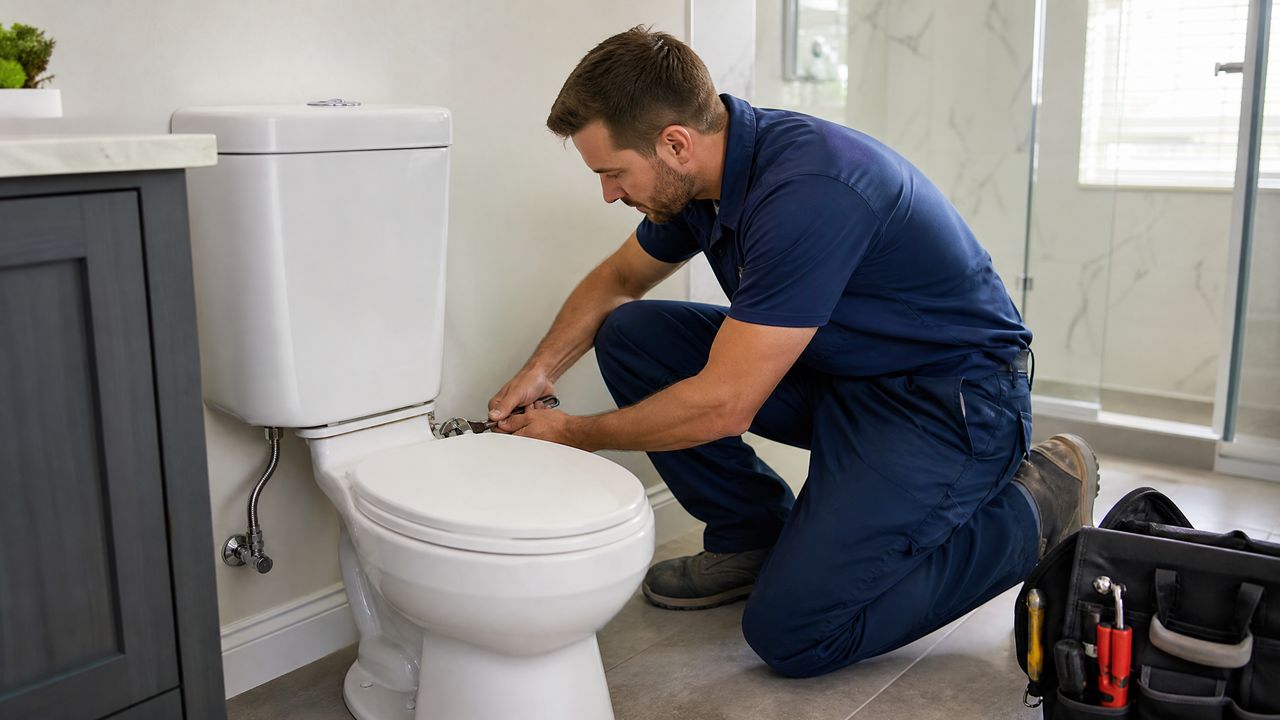
Use the table below to quickly assess your situation and determine the best course of action for your San Antonio home:
| Situation | Recommended Action | Estimated Cost |
|---|---|---|
| Worn flapper or fill valve | Repair | $150–$300 |
| Toilet under 15 years old, isolated issue | Repair | $150–$391 |
| Toilet over 25 years old | Replace | $500–$900 (San Antonio) |
| Toilet manufactured before 1994 | Replace (water savings) | $500–$900 (San Antonio) |
| Cracked porcelain bowl or tank | Replace immediately | $500–$900 (San Antonio) |
| Frequent repairs / constant clogging | Replace | $500–$900 (San Antonio) |
| Wobbly toilet / leaking at base | Inspect; often replace | $200–$900+ |
If you are also dealing with low water pressure affecting your toilet's flush performance, check out our guide on Why Your San Antonio Home Has Low Water Pressure (And How to Fix It). Additionally, if hard water is accelerating wear on your toilet's internal components, our Complete Guide to Water Softeners in San Antonio can help you protect your entire plumbing system.
How San Antonio's Hard Water Affects Your Toilet
San Antonio consistently ranks among the cities with the hardest water in the United States. The calcium and magnesium minerals in the SAWS water supply are not harmful to drink, but they wreak havoc on plumbing fixtures over time. Inside your toilet tank, these minerals gradually coat the rubber flapper, causing it to stiffen, warp, and fail to seal properly. They also clog the small ports in the fill valve, reducing water flow and causing the valve to run longer than necessary.
The visible result is the familiar rust-colored or white chalky ring inside your toilet bowl — but the invisible damage happening inside the tank is far more costly. Homeowners in San Antonio should inspect their toilet's internal components annually and consider replacing the flapper and fill valve every one to two years as a preventive measure. A whole-home water softener can dramatically extend the life of your toilet and all other plumbing fixtures. Learn more about your options in our San Antonio Water Softener Guide.
Hard water doesn't just affect your toilet—it can shorten the lifespan of water heaters, faucets, showerheads, and other plumbing fixtures throughout your home.
Contact Bluebonnet Plumbing about whole-home water softener solutions designed for San Antonio's hard water.
Frequently Asked Questions (FAQ)
How much does it cost to fix a running toilet in San Antonio?
Professional repair for a running toilet in San Antonio typically costs between $150 and $391. This includes diagnosing the issue and replacing common internal components like the flapper, fill valve, or flush valve assembly. The exact price depends on the specific parts required for your toilet model and brand.
Can I fix a running toilet myself?
Simple repairs like replacing a flapper or adjusting the float can be DIY-friendly for handy homeowners. Flapper kits are available at hardware stores for $5 to $20. However, if the issue involves the fill valve, flush valve, or if the toilet is leaking at the base, it is best to call a licensed plumber to avoid causing additional damage or creating a water leak in your bathroom floor.
Can hard water damage my toilet?
Yes. San Antonio is known for having very hard water, which contains high levels of calcium and magnesium. Over time, these minerals build up inside the toilet tank, degrading the rubber flapper seal and clogging the fill valve mechanisms. This leads to running toilets, weak flushes, and premature component failure. A whole-home water softener is the most effective long-term solution.
Why does my toilet flush by itself?
This phenomenon, known as "ghost flushing," occurs when water slowly leaks from the tank into the bowl — usually due to a worn-out flapper. Once the water level in the tank drops below a certain point, the fill valve automatically activates to refill the tank, creating the sound of a flush without anyone touching the handle. A simple food coloring test (described above) can confirm whether this is happening in your toilet.
How long should a toilet last?
A well-maintained toilet can last 25 years or more. However, the internal components — particularly the flapper and fill valve — typically need replacement every 3 to 5 years, and more frequently in areas with hard water like San Antonio. If your toilet is approaching or past the 20-year mark and requiring frequent repairs, replacement is likely the more economical choice.
Are there rebates for replacing an old toilet in San Antonio?
SAWS periodically offers conservation programs and rebates for residential customers who upgrade to high-efficiency, WaterSense-labeled fixtures. It is always recommended to check the current SAWS conservation programs page before purchasing a new toilet to see if you qualify for savings. The EPA's WaterSense program certifies toilets that use 20% less water while performing as well as or better than standard models.
Ready to Stop the Leak? Contact Bluebonnet Plumbing!
Whether you need a quick flapper replacement or a complete high-efficiency toilet installation, Bluebonnet Plumbing is your trusted local expert in San Antonio. We provide honest pricing, reliable service, and the expertise to get your bathroom back in working order — fast.
Contact us online or call (210) 934-5468 to schedule your service today!